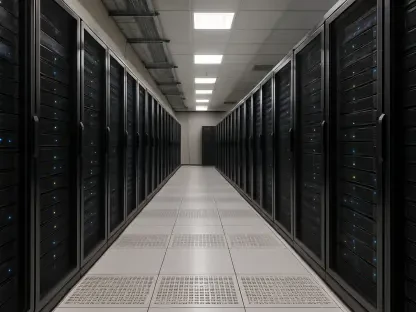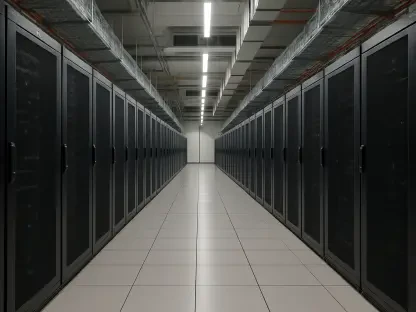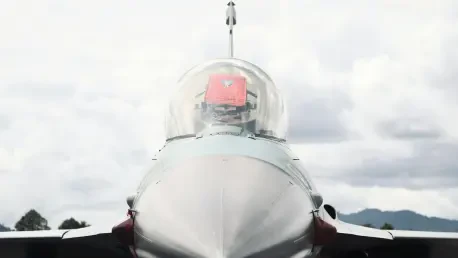

The United States Air Force is currently reshaping the backbone of its digital infrastructure by evolving the Cloud One platform into a sophisticated, multi-vendor ecosystem capable of handling the immense data demands of modern electronic warfare. This initiative marks a definitive departure from the rigid, siloed legacy systems that previously hindered rapid data sharing between various military branches and intelligence units. By integrating services from Amazon Web Services, Microsoft Azure, Google Cloud Platform, and Oracle Cloud Infrastructure, the military ensures that critical mission applications remain operational even when specific nodes are compromised or contested. This strategic shift addresses the fundamental challenge of maintaining a unified defense posture in an increasingly fragmented digital landscape. Military leaders emphasize that such flexibility is no longer a luxury but a requirement for survivability. The current architecture prioritizes seamless interoperability, allowing for the rapid deployment of resources across diverse geographic regions without compromising the strict security protocols that protect national interests. As digital threats evolve, this centralized yet distributed model provides a stable foundation for the future of global air superiority.
Automation: The Engine of Defensive Agility
Central to this modernization effort is the aggressive implementation of automation tools designed to manage compliance, monitoring, and threat detection with minimal human intervention. By reducing the reliance on manual oversight, the Air Force aims to eliminate the delays and errors that often characterize traditional administrative workflows in complex IT environments. These automated systems continuously scan for vulnerabilities and apply security patches in real-time, ensuring that the entire multi-cloud network remains hardened against sophisticated cyber adversaries. Furthermore, the focus on simplifying management interfaces allows personnel to interact with complex cloud resources more intuitively, effectively shortening the lead time required to launch new operational capabilities. This streamlined approach enables the rapid scaling of mission-critical software, from logistics tracking to high-stakes tactical planning. Consequently, the burden on IT specialists is significantly lightened, allowing them to focus on high-level strategy rather than routine maintenance. This evolution represents a significant leap toward a self-healing digital environment that adapts to the speed of modern combat.
The transition toward a fully integrated digital ecosystem established a new standard for resilience and efficiency within the defense sector. It was determined that embedding security directly into the software development lifecycle, rather than treating it as an afterthought, successfully mitigated risks before they could manifest in theater. Moving forward, the focus shifted toward the refinement of edge computing capabilities, ensuring that data processed at the perimeter remains synchronized with the core cloud infrastructure. These advancements required a commitment to ongoing collaboration with commercial partners to leverage the latest innovations in artificial intelligence and machine learning. Decisions were made to prioritize the standardization of data formats across all participating cloud providers to facilitate even smoother transitions of workloads during active conflicts. By treating the digital environment as a primary theater of operations, the Air Force provided a clear roadmap for other military branches to follow in the pursuit of absolute digital dominance. Future iterations likely involved more autonomous data orchestration to keep pace with the increasing velocity of global intelligence streams.