Maryanne Baines is a seasoned authority in cloud technology with a career dedicated to deconstructing complex tech stacks and evaluating the strategic value of cloud providers. As the global cloud landscape undergoes a radical transformation following major shifts in virtualization licensing,

Modern enterprise teams are moving away from experimental training phases toward functional AI deployments that deliver measurable and repeatable business results. As the landscape shifts, the demand for raw computing power has matured into a need for specialized, integrated environments that can

Integrated AI assistants like Claude Code and GitHub Copilot can now utilize the Model Context Protocol to fetch specific documentation chunks. This development represents a monumental shift in how technical information is consumed, moving beyond the era of manual browser searches and into a

The arrival of specialized legal teams representing global corporations has created a significant resource imbalance for Pennsylvania townships that operate on modest annual budgets. As the demand for artificial intelligence and massive data processing continues to accelerate, the Commonwealth has
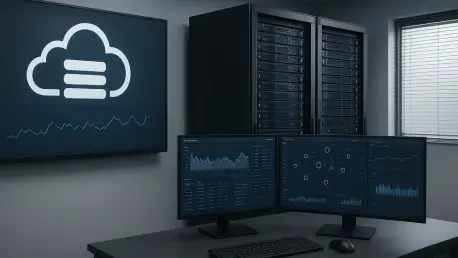
Self-scaling systems powered by artificial intelligence allow DevOps pipelines to allocate resources automatically by analyzing live traffic patterns as they occur. This fundamental shift has transitioned the concept of a data center from a physical collection of hardware into a dynamic,

To achieve a significant return on investment, companies must move past the experimentation phase and focus on scaling AI within their core operations. For many global organizations, the initial excitement surrounding generative models has transitioned into a period of pragmatic assessment. While
1 2 3 4 5 6 7 8 9 10 11 12 13 14 15 16 17 18 19 20 21 22 23 24 25 26 27 28 29 30