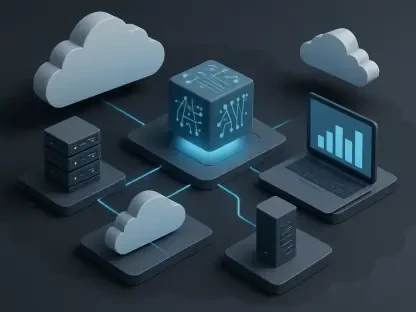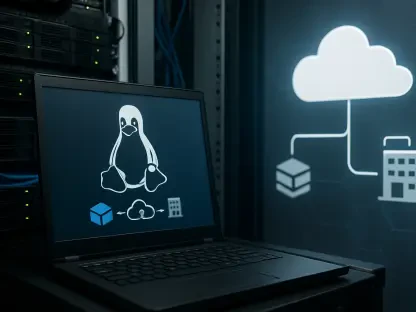

Maintaining authority over critical systems requires a clear understanding of which legal jurisdictions govern cloud services and who ultimately holds encryption keys. As artificial intelligence continues to expand across hybrid environments, placing vital data, complex models, and critical

The transition to cloud infrastructure often creates a deceptive comfort zone where the ease of uploading data masks the brutal reality of downloading it during a catastrophe. To move from a passive storage model to an active recovery model, organizations must conduct realistic calculations of

Recent updates to SUSE Rancher Prime introduce a server-side dry run feature to ensure that AI-generated command suggestions do not cause unintended system failures. This development arrives as global enterprises grapple with the dual challenge of maintaining mission-critical legacy systems while

AI agents differ from traditional software by following non-deterministic logic and consuming compute resources in ways that standard Kubernetes clusters were not originally designed to handle. This fundamental divergence has forced a major rethink of infrastructure management, moving beyond simple

Red Hat OpenShift 5 introduces a five-year predictable lifecycle to give enterprises the long-term stability needed for multi-year infrastructure planning while addressing the growing demand for consistency. This development helps IT leaders navigate the delicate balance between legacy systems and
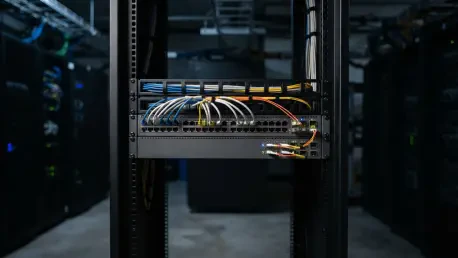
The February 2027 launch of Cloud Control in Europe and Australia represents a significant milestone in Cisco's international infrastructure strategy. This strategic shift fundamentally alters how the networking giant approaches its hardware and software development lifecycle by mandating that
1 2 3 4 5 6 7 8 9 10 11 12 13 14 15 16 17 18 19 20 21 22 23 24 25 26 27 28 29 30 31 32 33 34 35 36 37 38 39 40 41 42 43 44 45 46 47 48 49 50 51 52 53 54 55