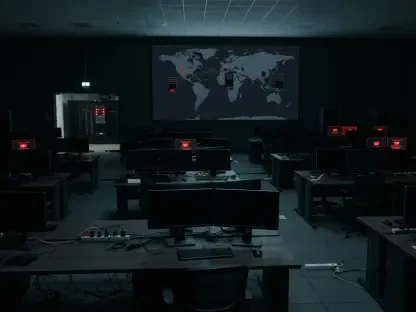

The concept of a borderless digital world is rapidly dissolving as nations recognize that physical boundaries must now extend into the virtual ether to protect the very heart of modern governance. States are increasingly moving to reclaim authority over their data ecosystems, moving away from the

At the ObservabilityCON 2026 conference, a strategic pivot toward agentic operations was unveiled to help organizations manage the unpredictable behavior of generative AI. As enterprise environments evolve from basic chat interfaces to complex, multi-agent autonomous ecosystems, the demand for

The digital signage industry is undergoing a period of profound consolidation, where the distinction between hardware providers and software innovators has become the primary battleground for market dominance. Vertiseit’s organic growth rate of approximately 15 percent suggests that its core

Invariant policy engines like Open Policy Agent ensure that autonomous remediations do not violate data residency requirements or established budget limits. This foundational security layer has become indispensable as the industry moves away from the era of manual intervention and static

Managing identity for AI agents requires robust token exchange mechanisms to ensure that the agent operates strictly within the security context of the human user it assists. This fundamental requirement addresses a growing friction point in enterprise environments where the deployment of

Physical and financial constraints of infrastructure are creating a growing tension for businesses aiming to scale their artificial intelligence capabilities rapidly. As these organizations move beyond simple pilot programs into full-scale operational deployments, the sheer complexity of
1 2 3 4 5 6 7 8 9 10 11 12 13 14 15 16 17 18 19 20 21 22 23 24 25 26 27 28 29 30 31 32 33 34 35 36 37 38 39 40 41 42 43 44 45 46 47 48 49 50 51 52 53 54 55 56 57 58 59 60 61 62 63 64 65 66 67 68 69 70 71 72 73 74 75 76 77 78 79 80 81 82 83 84 85 86 87 88 89 90 91