
92% of large-scale companies operate in multicloud environments, making it a common enterprise reality. A multicloud strategy is driven by acquisitions, regional needs, specialized services, and changing vendor relationships. Typically, the challenge is not selecting providers; it is running these

The shift from on-premises infrastructure to distributed cloud environments is no longer optional. It is the baseline for enterprise scalability. Yet many organizations underestimate the complexity of cloud migration. This journey demands a clear-eyed assessment of how applications serve business

Artificial intelligence has become the defining technology investment of the decade. Companies across industries are deploying generative artificial intelligence assistants, predictive analytics systems, intelligent search platforms, recommendation engines, and autonomous workflows at unprecedented

Cloud did not just move servers out of data centers. It rewired how enterprises design, fund, and ship value. For Chief Technology Officers (CTOs) and Cloud Architects, the shift is less about infrastructure and more about management philosophy. Organizations that treat cloud as a strategic

AI data centers are already helping enterprises reduce infrastructure and operational costs, but the pace of AI industrialization demands greater computational power and a new security paradigm. Enter AI factories, advanced data centers that support the full AI lifecycle and incorporate zero trust
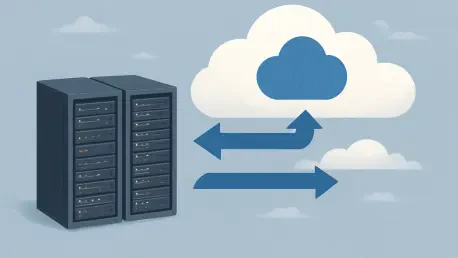
Most cloud programs that move fast do not fail on cutover day. They fail on the business case. Lift-and-shift delivers speed and risk control, but it often drags technical debt into the cloud and inflates run costs. Treat it as a short bridge to a better operating model, not the destination. The