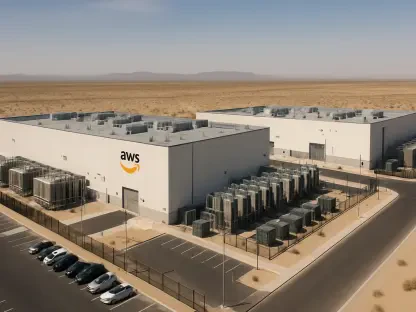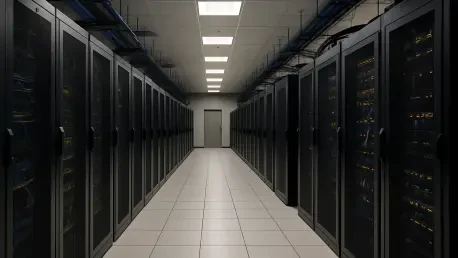

Louisiana is transforming into a digital powerhouse as a massive infusion of capital reshapes the local economic landscape. The announcement of a twelve-billion-dollar investment signifies a pivotal shift for the Gulf Coast, moving beyond traditional industries into the high-stakes world of hyperscale cloud computing. This initiative, centered in Caddo and Bossier Parishes, represents the company’s first major data center footprint in the state and aims to serve as a critical nexus for artificial intelligence and global digital services. By choosing northern Louisiana, the tech giant is leveraging a strategic geographic position that offers both the land and the potential for infrastructure scalability necessary for the next generation of internet demand. This move is not merely a corporate expansion but a foundational change in how the region participates in the global tech economy, providing a blueprint for how legacy industrial hubs can pivot toward high-tech futures. The scale of this project suggests a long-term commitment to the area, ensuring that Louisiana remains at the forefront of digital innovation for years to come.
Economic Growth and Workforce Transformation
The financial injection is expected to catalyze a significant surge in regional employment, creating a diverse range of opportunities for the local population. Beyond the immediate construction phase, which is managed in partnership with Stack Infrastructure and is set to support approximately fifteen hundred temporary jobs, the long-term operations will provide five hundred forty direct full-time positions. These roles are not limited to software developers but include essential specialized labor such as HVAC technicians, mechanical engineers, and security personnel, reflecting the complex physical requirements of maintaining massive server farms. Furthermore, the ripple effect of this investment is projected to support over seventeen hundred additional jobs within the broader community, as local businesses and service providers adapt to meet the needs of the new facility and its workforce. This holistic approach to job creation underscores the importance of data centers as modern industrial anchors that stabilize local economies while providing high-wage career paths for residents.
State leadership has positioned this partnership as a definitive validation of Louisiana’s readiness to compete on a global stage for high-tech investments. Governor Jeff Landry emphasized that the state’s existing infrastructure and proactive workforce development programs were instrumental in securing a project of this magnitude, which aligns with similar global expansions seen in regions like Australia. By integrating these facilities into the local fabric, the state is demonstrating its ability to provide the specialized resources required by hyperscale providers, including reliable logistics and a favorable regulatory environment. This development serves as a beacon for other technology firms looking for stable, scalable locations outside of traditional tech hubs like Silicon Valley or Northern Virginia. The successful execution of this project relies on a collaborative effort between the public sector and private industry to ensure that the transition to a technology-centric economy is both smooth and sustainable, ultimately enhancing the state’s reputation as a prime destination for digital infrastructure.
Sustainable Infrastructure and Utility Partnerships
A distinctive aspect of this project is the company’s commitment to self-funding the necessary utility infrastructure through a strategic partnership with the Southwestern Electric Power Company. This model of direct investment in the energy grid ensures that the massive power requirements of the data centers do not place an undue burden on existing residential or commercial users. To balance the environmental impact, the project includes significant investments in solar initiatives designed to contribute two hundred megawatts of carbon-free energy to the local electrical grid. By prioritizing renewable energy sources, the developer is addressing the growing concern over the carbon footprint associated with high-density computing and artificial intelligence processing. This approach reflects a broader industry trend where technology companies take direct responsibility for their energy consumption by funding the creation of clean power sources. Such initiatives not only mitigate environmental risks but also contribute to the overall modernization of the regional power grid, benefiting all consumers through increased capacity and stability.
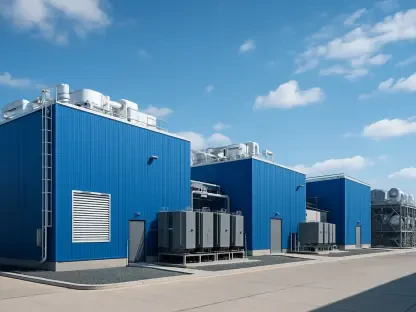
The project concluded with a sophisticated approach to environmental stewardship, particularly regarding water usage and facility cooling. Designers utilized a combination of surplus water and outside air for cooling systems, which maximized efficiency during the humid summer months common in Louisiana. Furthermore, the commitment of four hundred million dollars toward public water infrastructure aimed at a water-positive status by 2030 ensured that the company returned more water to the community than it consumed. Moving forward, local municipalities should leverage these infrastructure upgrades to attract secondary industries that require robust water and power networks. Future planners must prioritize these types of public-private partnerships to ensure that industrial expansion serves the long-term ecological health of the region. The integration of sustainable hardware with regional utility management provided a clear template for future hyperscale developments. Success was measured not just by technical capacity but by the ability to enhance the resilience of the surrounding community’s natural resources and public utilities.