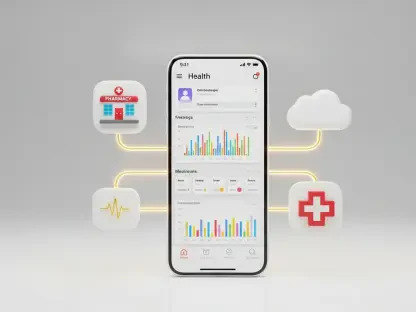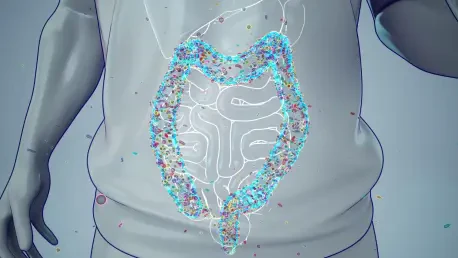

Modern medical facilities are rapidly transitioning away from isolated hardware setups toward integrated ecosystems where high-speed data processing and artificial intelligence define the quality of patient outcomes. In the specialized field of gastroenterology, the ability to identify subtle mucosal changes or minute polyps during a colonoscopy often hinges on the immediate availability of high-resolution diagnostic assistance. Historically, the implementation of these advanced tools was restricted by the physical limitations of on-premise servers, which required significant space, constant cooling, and manual maintenance cycles that often lagged behind the pace of software innovation. By shifting the computational burden to a scalable cloud infrastructure, healthcare providers are finally overcoming the bottleneck of legacy hardware. This evolution ensures that the latest algorithmic enhancements are delivered to the endoscopy suite without the need for cumbersome equipment overhauls, allowing clinicians to focus entirely on the procedural nuances of patient care while the digital “backbone” handles the heavy lifting of real-time image analysis and pattern recognition.
The transition to a cloud-centric model represents more than just a storage upgrade; it is a fundamental shift in how diagnostic intelligence is distributed across the healthcare continuum. When a medical device like the OLYSENSE CAD/AI software operates within a cloud-enhanced environment, it gains access to elastic computing resources that can scale up or down based on the immediate procedural demand. This agility is particularly critical in busy endoscopy departments where multiple procedures occur simultaneously, each requiring instantaneous feedback from AI models. Unlike local servers that may struggle under high concurrent loads, cloud-based architectures maintain consistent performance levels, ensuring that polyp detection and characterization tools remain responsive and accurate. Furthermore, this connectivity allows for seamless updates, ensuring that every clinician is working with the most refined version of the software, bolstered by the latest clinical data and regulatory refinements, without the operational downtime historically associated with manual system patches and local IT intervention.
Architectural Shifts Toward Hybrid Clinical Environments
The integration of edge computing with centralized cloud power has created a hybrid architecture that addresses the unique latency requirements of live endoscopic procedures. While the cloud provides the vast storage and processing power needed for training and hosting complex AI models, edge devices located within the hospital handle the immediate data ingestion to ensure there is no perceptible lag during a procedure. This “best of both worlds” approach allows for real-time video processing at the bedside while simultaneously leveraging the cloud for more intensive analytical tasks and long-term data trends. By offloading the primary computational load to remote data centers, hospitals can reduce the physical footprint of their IT infrastructure in the procedure room, creating a cleaner and more efficient workspace for the clinical team. This move toward a decentralized processing model also facilitates the democratization of advanced technology, as smaller clinics can now access the same high-tier AI diagnostics as large academic centers without the prohibitive upfront costs of massive on-site server farms.
Moreover, the hybrid cloud model serves as a catalyst for continuous improvement in diagnostic accuracy through iterative learning cycles that were previously impossible with isolated systems. Data gathered from various clinical interactions can be used to refine algorithms in a centralized environment, which are then redeployed across the network to enhance the performance of every connected device. This creates a rising tide of clinical quality, where the collective intelligence of the network benefits each individual practitioner. For hospital administrators, this shift translates into a more predictable cost structure, moving from large capital expenditures for hardware to a more flexible operational model. This financial flexibility allows institutions to allocate resources more effectively, investing in patient-facing services rather than depreciating technical assets. Consequently, the gastroenterology department becomes more resilient and adaptable, capable of integrating future technological breakthroughs without the fear of immediate obsolescence that characterized the era of localized, hardware-dependent medical software.
Security Frameworks and Data Sovereignty in Digital Health
As clinical data increasingly moves beyond the physical walls of the hospital, the implementation of robust security protocols like “Privacy by Design” has become the standard for maintaining patient trust. Modern cloud solutions in gastroenterology are engineered to separate clinical imagery from personally identifiable information (PII) at the source, ensuring that sensitive patient identifiers never leave the local hospital network. Through advanced anonymization techniques, video streams and diagnostic images are processed in the cloud as mathematical representations or anonymous files, which are only re-linked to the patient’s record by the authorized physician at the point of care. This “Zero Trust” security architecture operates on the principle that no entity, internal or external, is inherently trusted, requiring continuous verification for every access request. This rigorous approach not only protects against external cyber threats but also ensures that healthcare providers remain in full control of their data, satisfying the stringent requirements of global data protection regulations while still benefiting from the power of cloud-scale AI.
Building on these technical safeguards, the regulatory landscape in 2026 demands a high degree of transparency and accountability from technology providers regarding how AI models are managed and updated. Compliance with frameworks such as the EU AI Act and the European Health Data Space (EHDS) Regulation ensures that cloud-based medical tools are developed with a focus on safety, ethics, and interoperability. These regulations mandate that AI systems in healthcare provide clear documentation of their decision-making processes, reducing the “black box” effect often associated with complex algorithms. By adhering to these standards, cloud platforms provide a governed environment where innovation can flourish without compromising the legal or ethical responsibilities of the medical institution. This structured approach to data sovereignty encourages broader collaboration within the medical community, as researchers can share anonymized datasets across borders to tackle rare gastrointestinal pathologies more effectively, all while maintaining the highest levels of encryption and access control to prevent unauthorized data exposure.
Future Integration and Clinical Efficiency Gains
The long-term success of cloud-integrated gastroenterology will depend on the ability of these systems to provide actionable insights that directly reduce the cognitive load on clinical staff. Future developments will likely focus on the automation of administrative tasks, such as the generation of preliminary procedural reports based on AI-detected findings during the colonoscopy. By prepopulating documentation with identified polyps, their locations, and suggested classifications, cloud-based systems can save physicians significant time, allowing them to focus more on patient consultation and less on data entry. This streamlined workflow not only improves the daily experience for the medical team but also ensures a higher degree of consistency in medical records, which is vital for long-term patient monitoring and follow-up care. As these ecosystems become more sophisticated, they will integrate with electronic health records (EHR) more fluidly, creating a comprehensive digital history that follows the patient across different care settings, ensuring that critical diagnostic information is never lost in a siloed database.
To fully realize these benefits, healthcare organizations should prioritize the development of high-bandwidth network infrastructures and invest in staff training to navigate the shifting digital landscape. The transition was not merely about adopting new software but about fostering a culture that embraces data-driven decision-making and continuous technical education. Moving forward, clinical leaders must collaborate closely with IT departments to ensure that cloud strategies are aligned with specific departmental goals, such as increasing polyp detection rates or reducing procedural variability. Practical next steps include auditing current hardware lifecycles to identify opportunities for cloud migration and establishing clear governance policies for AI utilization. By taking a proactive approach to these digital transitions, gastroenterology departments secured a position at the forefront of medical innovation, ensuring that patient safety and clinical excellence remained the primary drivers of technological adoption. The move to the cloud ultimately proved to be the essential foundation for a more precise, efficient, and accessible era of digestive healthcare.