
The recent convergence of high-performance computing and telecommunications infrastructure has reached a definitive turning point as the industry moves toward an AI-native radio access network architecture. At the 2026 Mobile World Congress in Barcelona, Samsung Electronics demonstrated a transformative shift by integrating artificial intelligence directly into the radio access network (RAN) fabric. This milestone marks the end of the era characterized by rigid, single-purpose hardware silos that have traditionally defined cellular connectivity. Instead, the focus has shifted toward a flexible, software-defined environment where AI workloads and radio functions operate within a unified, cloud-native stack. By blurring the lines between telecommunications and high-performance cloud computing, this new architecture allows for the dynamic processing of data and the intelligent management of radio signals. This demonstration serves as a practical blueprint for operators looking to modernize their infrastructure, signaling that the transition to AI-native networks is no longer a theoretical pursuit but a functional reality for modern mobile ecosystems today.
Technical Synergy: The Union of vRAN and Accelerated Computing
The technical backbone of this evolution relies on the profound synergy between virtualized radio access network platforms and advanced accelerated computing hardware provided by industry leaders. By utilizing high-performance CPUs and L4 GPUs, operators are now capable of running a cloud-native stack that processes traditional radio functions and heavy artificial intelligence tasks on the same shared infrastructure. This unified approach effectively eliminates the need for redundant hardware, which in turn significantly cuts down on power consumption and the physical footprint required at the network edge. Unlike previous generations where AI was often an external analytical tool, this integration allows machine learning to function as a core operational component. In simulated environments designed to replicate real-world network stresses, these systems have successfully performed AI-based signal processing. This architectural shift ensures that the compute tax typically associated with virtualization is minimized, creating a more cost-effective model for the next decade.
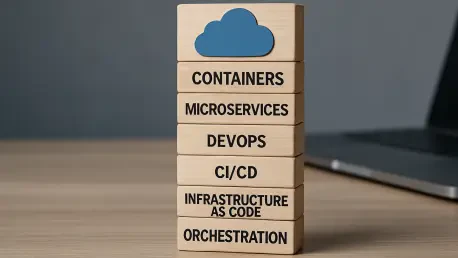
This movement represents a broader departure from the legacy model of proprietary equipment at cell sites, which was historically difficult to scale or upgrade without significant capital investment. By adopting a cloud-native model where network functions are containerized and run on standard commercial servers, telecommunications networks are essentially transforming into massive, distributed data centers. This allows operators to scale their resources dynamically based on fluctuating traffic demands while deploying new AI-driven services without the logistical burden of frequent physical hardware replacements. The use of orchestration platforms similar to those found in global enterprise cloud environments brings a level of automation that was previously unattainable in the telecom sector. As these networks become more agile, the ability to push updates and security patches across thousands of sites simultaneously becomes a standard operational procedure. This flexibility is critical for supporting the diverse requirements of modern connectivity while maintaining high reliability.
Intelligent Optimization: Advancing Spectral Efficiency and Capacity
As the global demand for high-speed data continues to accelerate, the telecommunications industry is turning to AI-driven beamforming to maximize the utility of limited radio spectrum resources. Unlike traditional algorithms that use fixed, static patterns to direct signals toward users, machine learning utilizes real-time data to adjust signal patterns based on user density and environmental interference. Technical validations have shown that these AI-driven optimizations, specifically AI-MIMO, can substantially improve throughput and spectral efficiency without compromising the stability of the core network. By intelligently managing the radio environment, operators can squeeze more capacity out of their existing frequency holdings, delaying the need for expensive new spectrum acquisitions. This dynamic optimization is particularly effective in dense urban environments where signal blockage and interference are common challenges. Furthermore, the integration of these models into the primary control loop ensures that the network responds to changes in the physical environment with millisecond precision.
There is a growing consensus among industry leaders that AI-RAN is the logical successor to Open RAN and virtualized RAN technologies that have dominated discussions for the past few years. This trend is defined by the convergence of artificial intelligence into production-level infrastructure and the expansion of processing power from central data centers to the network edge. By running these diverse functions on unified hardware, vendors aim to lower the operational costs associated with virtualized networks, making them more competitive with traditional hardware solutions. This shift is not merely about improving radio performance; it is about creating a multipurpose infrastructure that can support a wide variety of computational tasks. For mobile operators, this means the network itself becomes a source of revenue through edge computing services provided to third-party developers. As the ecosystem matures, the distinction between the network provider and the cloud provider will continue to fade, leading to a more integrated digital economy.
Strategic Evolution: Implications for the Global Enterprise Landscape
The implications of this shift extend far beyond the needs of mobile carriers, offering new opportunities for cloud architects and enterprise IT leaders to reconsider their edge strategies. The convergence of AI and operational workloads indicates that machine learning has moved into the primary control loops of logistics, smart cities, and industrial systems. By aligning telecom design with containerized enterprise standards, the management of 5G and 6G networks can now be handled with the same orchestration tools used for global corporate clouds. This creates a unified management plane for IT departments, allowing them to treat the wireless network as just another extension of their distributed computing environment. Organizations can now deploy latency-sensitive applications, such as autonomous robotics or real-time video analytics, directly onto the network infrastructure. This proximity to the data source reduces the need for backhauling information to central clouds, which significantly improves application responsiveness and reduces overall bandwidth costs.
Strategic roadmaps for telecommunications deployment prioritized the migration toward software-defined architectures to ensure long-term viability in a data-centric market. Operators recognized that the integration of AI was not merely an incremental upgrade but a fundamental redesign of how connectivity was delivered to the end user. Industry stakeholders focused on establishing interoperability standards that allowed diverse hardware and software components to function seamlessly within a single ecosystem. This collaborative effort ensured that the transition to AI-native networks avoided the vendor lock-in issues that plagued previous generations of infrastructure. Moving forward, the emphasis remained on refining energy-efficient algorithms and expanding the capabilities of the network edge to support increasingly complex autonomous systems. By validating these technologies in real-world environments, the industry paved the way for a more resilient and intelligent global communication fabric. These advancements provided a clear trajectory for future investments in 6G and beyond.