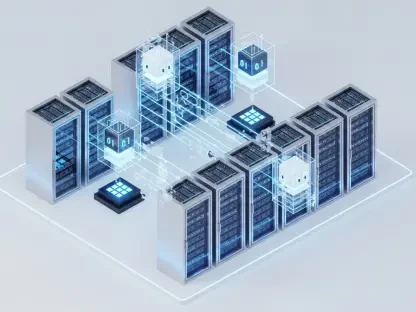
The intensifying geopolitical friction involving Iran has moved beyond traditional diplomatic theaters, casting a long and disruptive shadow over the critical physical infrastructure required for the global artificial intelligence revolution. As these tensions escalate, the strategic importance of the Strait of Hormuz becomes a primary point of failure for the tech industry, given its role as a vital artery for the world’s energy supply. A closure or sustained disruption of this shipping lane by Iranian forces would immediately trigger an inflationary spike in energy prices, which would be catastrophic for the energy-intensive operations of modern data centers. These facilities serve as the backbone for generative AI training and cloud computing services, consuming vast quantities of electricity to maintain cooling systems and power high-performance server clusters. Consequently, the stability of the digital economy is now inextricably linked to the volatile security situation in the Middle East, where any kinetic action translates directly into higher operational costs and significant supply chain bottlenecks for the global semiconductor market.
Disrupting the Energy Foundation of Cloud Computing
The economic fallout from the ongoing conflict has placed a heavy burden on major American technology corporations that are currently leading the race for artificial intelligence supremacy. Companies like Amazon, Google, and Microsoft have recently navigated a complex regulatory environment by entering into the “Ratepayer Protection Pledge,” a formal commitment designed to stabilize utility grids while securing the massive amounts of power needed for their expanding server farms. Under this agreement, these tech giants committed to funding extensive utility upgrades and negotiating specific electrical rates that are often independent of their actual real-time consumption. However, as the conflict with Iran continues to drive up global liquefied natural gas and crude oil prices, the financial logic behind these long-term power agreements is being tested. If energy prices remain elevated throughout 2026 and into 2027, these organizations may find themselves locked into high-cost energy contracts that drain the capital originally earmarked for research and development.
Beyond the immediate utility costs, the volatility in the Middle East has disrupted the logistical management of the hardware supply chain necessary for data center scaling. High-end GPUs and custom AI silicon are manufactured in specialized facilities that depend on stable, low-cost logistics and predictable global energy markets to remain viable. When energy markets are destabilized by Iranian military activity, the cost of manufacturing and transporting these critical components rises proportionally, creating a ripple effect that touches every layer of the technology stack. This trend is particularly concerning for smaller cloud providers and AI startups that do not have the massive cash reserves of Meta or OpenAI to absorb such sudden overhead increases. The persistent threat of energy-driven inflation forces a defensive posture among tech executives, leading to more cautious spending and a potential deceleration in the deployment of next-generation large language models. This economic friction could ultimately redefine the pace of technical innovation for the coming years.
Regional Volatility and Shifting Capital Flows
The reality of the conflict has moved from theoretical market risks to direct physical threats against the hardware that powers the digital world across the Middle East. Data centers located in the United Arab Emirates and Bahrain, including several high-profile facilities operated by Amazon Web Services, have already faced the brunt of retaliatory strikes and regional instability. These mission-critical sites are essential for maintaining low-latency connectivity for businesses operating throughout the Persian Gulf and into parts of Europe and Asia. While the full extent of the structural damage to these sites is still being assessed by local authorities, the mere fact that digital infrastructure has become a target marks a dangerous shift in the nature of modern warfare. The vulnerability of these centers highlights a significant regional risk that could force technology companies to reconsider their geographical diversification strategies. Moving forward, the focus may shift toward more secure, albeit more expensive, locations that are insulated from such direct geopolitical targeting.
Furthermore, the geopolitical climate is fundamentally altering the flow of investment capital that has traditionally fueled the expansion of the AI sector and data center infrastructure. For years, sovereign wealth funds from nations like Saudi Arabia and the UAE were the primary engines of capital for Silicon Valley and global tech expansion. However, as these regional powers find themselves drawn deeper into the hostilities with Iran, there is a visible pivot in their fiscal priorities toward domestic stabilization and national defense. Analysts observed a growing consensus that the billions of dollars once intended for massive data center projects and AI research partnerships are now being redirected to bolster military capabilities and internal security. This withdrawal of capital represents a significant hurdle for the global AI ecosystem, which has relied on these vast financial reserves to fund the massive electricity and hardware requirements of the era. The resulting capital drought could lead to a prolonged period of stagnation in the construction of new high-density facilities.
To mitigate these risks, industry leaders implemented several strategic adjustments to safeguard the future of global digital infrastructure. Organizations prioritized the geographical diversification of their data center assets, moving away from volatile zones and toward regions with higher energy security and political stability. There was a renewed emphasis on investing in self-sustaining energy solutions, such as on-site nuclear micro-reactors and advanced geothermal systems, to decouple operational costs from the volatility of fossil fuel markets. Decision-makers also established more robust contingency plans for the hardware supply chain, ensuring that the production and delivery of semiconductors were not overly dependent on any single geopolitical corridor. These actions provided a necessary buffer against the unpredictable nature of regional conflicts. By focusing on energy independence and physical security, the technology sector attempted to insulate the growth of artificial intelligence from the externalities of international discord, ensuring that progress continued despite the challenges.