
The quiet landscapes of the Keystone State are currently vibrating with the mechanical energy of a digital revolution that is fundamentally altering the economic and social fabric of local communities. Pennsylvania has rapidly transformed into a primary battleground for the global artificial intelligence revolution as the demand for massive computing power reaches an all-time high. As tech giants like Amazon, Google, and Microsoft race to build the physical infrastructure needed for the next generation of computing, the Commonwealth has become a top target for massive private investment. This shift has moved the state from its traditional industrial roots into a central role within the digital economy, bringing both unprecedented capital and intense social friction to regions that were once defined by coal mines and steel mills.
The scale of this transition is staggering, with over $100 billion in private investments for data centers and AI infrastructure announced within a remarkably short period. While state officials and industry leaders view these projects as a vital path to economic modernization and a reliable source of new tax revenue, many residents see them as a direct threat to their established way of life. This clash of interests has ignited a fierce debate over the state’s future, pitting the ambition for global technological dominance against the local quality of life, environmental health, and financial stability of Pennsylvania communities. The tension is palpable in town halls and zoning meetings, where the promise of high-tech jobs often meets the reality of industrial noise and rising utility concerns, creating a complex landscape that the state government is struggling to navigate effectively.
Economic Catalysts and Infrastructure Needs
The Scale of Global and Local Investment
The surge in development throughout the state is driven by a massive global demand for the computing power required by generative AI and cloud networks. Industry forecasts suggest that global investment in digital demand could reach $6.7 trillion by 2030, with a vast majority of that capacity dedicated specifically to AI workloads. In Pennsylvania, Governor Josh Shapiro and Senator Dave McCormick have aggressively positioned the state as a premier destination for these facilities. This vision is highlighted by Amazon’s $20 billion commitment for campuses in Luzerne and Bucks counties, alongside an additional $90 billion in statewide innovation projects intended to modernize the regional economy. This influx of capital represents one of the largest private investment cycles in the history of the Commonwealth, reflecting a strategic move to pivot away from legacy industries toward a future defined by data processing and silicon.
Proponents of this expansion argue that Pennsylvania is uniquely equipped to lead the sector due to its diverse energy portfolio and a remarkably resilient electricity grid. The state offers large tracts of available land near major East Coast population centers, providing a strategic logistical advantage that few other regions can match. Furthermore, the presence of elite research universities, such as Carnegie Mellon and the University of Pennsylvania, ensures a steady pipeline of highly skilled labor capable of managing complex digital systems. A business-friendly regulatory environment has also effectively lowered the barriers for tech companies looking to set up “hyperscale” operations. These massive facilities serve as the backbone for everything from banking transactions to medical research, making their presence a significant win for local economic development offices seeking long-term stability and high-value property tax contributions.
The Physical Reality of Digital Warehouses
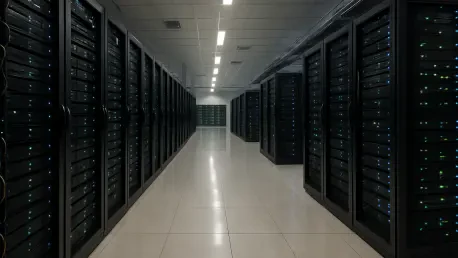
To understand the localized friction occurring in rural and suburban counties, one must recognize that data centers are more than just large warehouses; they are the high-tech hearts of the modern global economy. These facilities house thousands of servers and storage devices that process the immense volume of data generated by the average American household on a daily basis. Because the global volume of data is expected to double in the next few years, the physical footprint of these “digital factories” must expand rapidly to keep pace with the sheer velocity of information. This requirement for physical space often leads developers to target agricultural land or former industrial sites that are adjacent to residential zones, creating a literal collision between the digital future and the tangible past of Pennsylvania’s geographic heritage.
These industrial-scale operations require massive infrastructure that goes far beyond the four walls of the building, including high-capacity cooling systems, electrical substations, and extensive transmission lines. Because these facilities are increasingly being proposed for areas previously zoned for agriculture or light commercial use, they are fundamentally altering the character of the landscape. The transition of quiet rural or suburban spaces into high-intensity industrial zones has become a primary point of contention between developers and the people living nearby. Residents who once looked out at open fields are now faced with the prospect of windowless, concrete structures that hum with activity twenty-four hours a day. This physical reality complicates the narrative of a “clean” tech industry, revealing that the cloud actually has a very heavy, very loud, and very permanent physical presence on the ground.
Community Resistance and Residents’ Grievances
Public Backlash and Political Polling
Despite the economic enthusiasm radiating from Harrisburg and the halls of state leadership, a significant majority of Pennsylvanians are increasingly wary of the AI boom. Recent polling indicates that 68% of residents oppose the construction of data centers in their own backyards, while only a small fraction of the population expresses active support for these developments. This opposition is notably bipartisan, showing that concerns about the localized impact of these massive projects transcend traditional political lines and unite various demographics against rapid industrialization. The shared anxiety stems from a feeling that local communities are being sacrificed for the benefit of distant tech corporations, with little regard for the long-term social consequences of such a rapid and uncoordinated expansion of heavy infrastructure.
Organized resistance has grown alongside the investment announcements, with grassroots groups and environmental advocates leading the charge against new permit approvals. Community members are showing up in unprecedented numbers to local zoning and planning meetings, often reaching room capacity and forcing local governments to relocate to larger venues like high school auditoriums or community centers. This groundswell of activism highlights a deep disconnect between state-level economic goals and the priorities of the citizens who feel their voices are being ignored in the rush for progress. Many residents argue that the promise of tax revenue does not outweigh the loss of community identity and the potential for environmental degradation, leading to a stalemate that has stalled several high-profile projects in counties like Cumberland and Montour.
Specific Quality of Life Concerns
The grievances voiced by local communities are both sensory and financial, centered on the daily realities of living near a hyperscale facility that operates without pause. Residents frequently complain about the “industrial hum”—a constant, low-frequency noise generated by cooling fans and electrical equipment that disrupts the peace of residential life and can even lead to health issues like sleep deprivation. Beyond noise and light pollution, there is a widespread fear that the immense energy needs of these centers will strain the electrical grid to its breaking point. This anxiety is rooted in the belief that the massive consumption of power by tech giants will eventually force regular consumers to pay higher utility bills to fund necessary grid upgrades, effectively placing the burden of corporate growth on the shoulders of local families.
Environmental and property concerns also weigh heavily on the minds of residents who have spent decades building equity in their homes. Homeowners worry that the proximity of massive transmission lines and industrial sites will tank their property values and make their neighborhoods less desirable for future buyers. Additionally, the high water consumption required to cool these servers poses a significant threat to local aquifers, especially in regions that have historically struggled with water management. Critics argue that rezoning greenfields and agricultural land for these projects leads to suburban sprawl, permanently destroying the rural character and biodiversity that many Pennsylvanians cherish. These concerns are not merely aesthetic; they represent a fundamental disagreement over how land should be used and who should benefit from the natural and infrastructure resources of the Commonwealth.
Regulatory Responses and National Implications
State-Level Legislative Strategies
In an effort to manage the escalating tension, Governor Shapiro has introduced the “Governor’s Responsible Infrastructure Development” (GRID) standards to provide a more structured approach to growth. These guidelines aim to balance economic growth with community protection by tying state tax credits and expedited permitting to strict environmental and community engagement principles. The goal is to provide a framework for navigating the “uncharted territory” of the AI boom while acknowledging the legitimate concerns of residents regarding their local environment. By establishing these standards, the administration hopes to create a predictable environment for developers while ensuring that projects do not proceed without considering their impact on the surrounding population and the state’s natural resources.
Lawmakers are also pursuing more restrictive measures to protect their constituents from the perceived negative externalities of the data center industry. A proposed three-year moratorium on hyperscale data center development would give local governments much-needed time to research long-term impacts and update zoning ordinances before more projects are approved. Other legislative packages aim to restrict these facilities strictly to land already zoned for industrial use and require mandatory reporting of electricity and water usage to state regulatory bodies. This would ensure greater transparency in how these tech giants operate and prevent the sudden conversion of residential or agricultural land into high-impact industrial sites. These legislative efforts reflect a growing consensus that the current pace of development is unsustainable without more robust oversight and local control.
National Security and Future Trajectory
The debate in Pennsylvania is part of a larger national conversation, as at least a dozen other states consider similar pauses or regulations to curb the rapid expansion of digital infrastructure. However, local caution is often at odds with national security interests, with some federal leaders and defense experts arguing that any delay in building AI infrastructure could allow global competitors to take a decisive lead in the next era of technological warfare and economic power. This perspective frames the “AI chassis” as a vital national asset that must be built quickly to ensure American competitiveness on the world stage. The pressure to maintain technological superiority often clashes with the democratic rights of local citizens to determine the future of their own neighborhoods, creating a high-stakes dilemma for policymakers at every level of government.
As legal battles play out in places like Hazle Township—where local officials have blocked large-scale projects only to be met with aggressive court challenges from developers—the outcome in Pennsylvania will likely set a precedent for the rest of the country. The state is currently testing whether it can accommodate a flood of digital investment without drowning out the voices of its people or compromising its environmental integrity. To move forward responsibly, Pennsylvania must transition from a reactive stance to a proactive planning model that prioritizes grid resilience and community-led zoning. Success will require the implementation of “community benefit agreements” where developers provide direct investment in local schools, parks, and renewable energy projects to offset the industrial footprint of their facilities. Ultimately, the state’s ability to reconcile these competing interests will determine if it becomes a model for sustainable tech growth or a cautionary tale of industrial overreach.