
The enterprise storage landscape is navigating a period of profound transformation, shaped by the convergence of two powerful and opposing forces. On one hand, the explosive growth of artificial intelligence is creating an unprecedented demand for high-performance, massively scalable infrastructure capable of fueling complex computational models. On the other, the persistent and ever-evolving threat of ransomware is compelling organizations to fundamentally overhaul their data protection strategies, shifting from traditional backup to a more robust paradigm of cyber resilience. This dual pressure is acting as a catalyst for innovation, pushing vendors to develop solutions that are not merely larger and faster, but also more intelligent, secure, and seamlessly integrated into the complex fabric of modern hybrid cloud environments. This dynamic is redefining the very definition of enterprise storage, where success is measured not just by capacity and speed, but by the ability to simultaneously unlock data for intelligent insights while securing it against existential threats.
The AI Imperative Re-architecting for Intelligence
The ascendancy of artificial intelligence is no longer a futuristic concept but the principal force shaping contemporary infrastructure design and deployment. Organizations are actively transitioning from general-purpose storage systems to highly specialized, full-stack solutions meticulously engineered to manage the distinct demands of AI workloads. This strategic pivot is clearly demonstrated by the integrated system from Pure Storage and Nutanix, which provides a purpose-built platform for the data-intensive applications central to AI and machine learning. Furthermore, modernizing legacy systems with independent cloud storage has emerged as a critical enabler for innovation. Many enterprises have found that this architectural refresh not only yields significant cost reductions but, more crucially, unlocks the capacity to execute advanced AI and analytics workflows that were previously unattainable on older, less agile infrastructure, thus removing a major bottleneck to progress.
Beyond the physical hardware, artificial intelligence is also revolutionizing the methods by which organizations derive value from their vast data repositories. A new and groundbreaking approach now reimagines structured enterprise data as interconnected graphs, enabling a pre-trained “relational foundation model” to deliver instantaneous predictions for critical business functions such as customer churn analysis or fraud detection without the need for laborious manual feature engineering. The efficacy of this advanced software layer is entirely contingent upon unimpeded data accessibility and rigorous standardization. In recognition of this dependency, key industry players like Snowflake are proactively joining consortia such as the Agentic Artificial Intelligence Foundation to collaboratively construct the open frameworks required for the next generation of AI agents to fluidly access and leverage high-quality data, thereby building the essential groundwork for future intelligent applications.
The Ransomware Reality Building a Digital Fortress
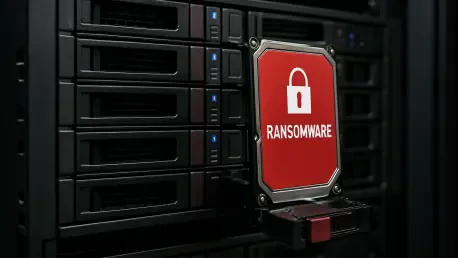
While artificial intelligence presents unparalleled opportunities for growth and innovation, the persistent threat of sophisticated cyberattacks poses a significant risk to business continuity, elevating cyber resilience to a primary executive concern. Recent industry analysis underscores this urgency, identifying cybersecurity threats as the single most significant disruptor facing modern enterprises and positioning the strengthening of digital defenses as the top “must-win” IT initiative. This heightened focus at the C-suite level is a direct response to a concerning reality: a majority of IT leaders, approximately 60%, acknowledge that the rapid expansion of their IT environments has resulted in a critical “confidence gap.” This gap stems from diminished visibility into the precise location and state of their data, creating profound uncertainty about their organization’s ability to successfully recover from a major cyber incident.
In reaction to this escalating threat landscape, businesses are increasingly adopting a multi-layered, “assume breach” security posture as a foundational element of their strategy. This approach is vividly illustrated by firms that are now deploying on-premises, immutable storage solutions to serve as a “last line of defense,” ensuring that a clean, untampered copy of critical data remains available for restoration even if primary systems are fully compromised. The most advanced defensive platforms are now integrating artificial intelligence directly into their operational core. Systems such as CyberSense leverage AI-driven forensic analysis to perform continuous validation of data integrity, enabling the early detection of corruption caused by an attack. This technology can precisely identify the last known clean recovery point, empowering organizations to restore their operations with both speed and a high degree of confidence after an incident.
The Hybrid Cloud Foundation a Mature and Flexible Strategy
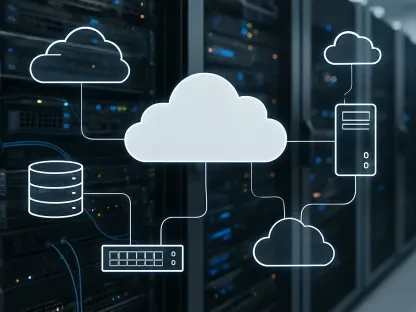
The hybrid cloud model has firmly established itself as the prevailing architectural standard for enterprises aiming to achieve an optimal balance of cost-efficiency, performance, and operational control. Its maturity and effectiveness are consistently affirmed by independent customer evaluations, with solutions designed to seamlessly bridge on-premises infrastructure and public cloud services earning nearly unanimous recommendation ratings from users. The tangible advantages of this approach are further substantiated by real-world case studies, which show organizations successfully leveraging independent cloud storage to realize cost savings of up to 80 percent while concurrently enhancing performance for their most resource-intensive workloads. This body of evidence solidifies the position of hybrid cloud not as an emerging trend, but as a proven and reliable foundation for the modern digital enterprise.
This architectural model’s primary strength lies in its inherent flexibility, which permits organizations to cohesively integrate legacy systems with modern, cloud-native infrastructure. Newly developed tools now empower companies to protect contemporary Kubernetes and virtual machine workloads by utilizing their existing on-premises Network Attached Storage (NAS) devices as secure and efficient backup targets. On a more strategic plane, highly sophisticated regional hybrid clouds are beginning to take shape. Innovative partnerships between managed service providers and software-defined storage vendors are leading to the creation of sovereign S3 cloud offerings. These platforms are designed not only to bolster the internal resilience of the provider but also to address the specific data locality, sovereignty, and regulatory compliance requirements of their regional markets, demonstrating the model’s capacity for advanced customization.
A New Blueprint for Data Strategy
The industry’s trajectory through this period of intense change was defined by a clear and deliberate dual focus. The most effective strategies were those that proactively enabled business transformation through AI while simultaneously building formidable defenses against escalating cyber threats. This was not a matter of choosing one priority over the other but of intelligently integrating both into a cohesive data management philosophy. Success was ultimately found not in a single product or platform, but in the deployment of integrated, hybrid solutions that offered a unique combination of flexibility, intelligence, and deep-seated resilience. The continued emphasis on forging strategic partnerships and cultivating robust channel ecosystems confirmed that collaboration had become the most effective path for navigating the dynamic and often challenging technological landscape. This era solidified a new blueprint for enterprise data, one where its value and its vulnerability were addressed in equal measure.