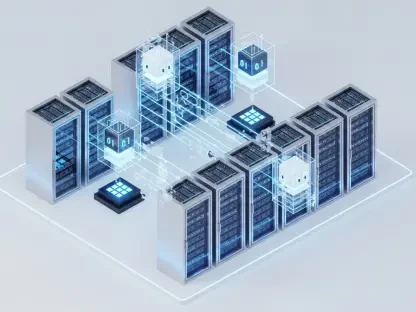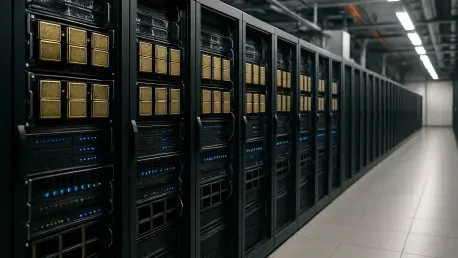

As the silent, rolling prairies of Saskatchewan face the sudden influx of hyper-scale computing investments, the tension between traditional land use and the demands of the global artificial intelligence revolution has never been more apparent. This shift is exemplified by the recent proposal for a massive data center near Regina, a project that has fundamentally altered the local conversation around infrastructure and community resources. At its most basic level, a data center serves as a specialized, highly secure facility designed to house thousands of interconnected computer systems, providing the backbone for the digital services that have become inseparable from modern life. While these facilities were once modest server rooms tucked away in corporate basements, they have evolved into sprawling campuses that enable everything from real-time financial transactions to the complex neural networks driving generative artificial intelligence. The transition to such large-scale facilities marks a significant milestone for the region, signaling Regina’s entry into the high-stakes world of international technology hubs.
The Infrastructure of a Digital Age
Evolution of Computing Facilities: From Server Rooms to Campuses
The historical trajectory of data management has shifted dramatically since the early days of mainframe computing, moving toward a model where centralized high-density facilities manage the world’s information. Modern data centers are no longer mere storage units; they are sophisticated environments engineered for fault tolerance and continuous operation. In the current landscape of 2026, these facilities must maintain a delicate balance of electrical power, high-speed fiber-optic connectivity, and advanced environmental controls to ensure that hardware remains operational under the immense strain of artificial intelligence workloads. Jason Hlady, an expert from the University of Saskatchewan, notes that while the fundamental concept of the server room remains, the sheer scale of modern campuses has introduced complexities that were previously unimaginable. These buildings are now the literal factories of the information economy, producing the computational power necessary to sustain global cloud services and local economic growth simultaneously.
Building a facility capable of supporting modern AI requirements necessitates a level of engineering precision that rivals aerospace manufacturing. The proposed site near Regina is expected to integrate sophisticated power distribution systems that can handle sudden spikes in demand without compromising the local grid’s stability. Beyond just raw power, the physical security and redundancy of these sites are paramount, as any downtime could result in catastrophic data loss or service interruptions for millions of users. The shift toward these mega-campuses reflects a global trend where computing power is concentrated in specific geographic locations that offer a combination of available land, stable climate, and robust utility access. As the demand for processing power continues to climb, the industry is seeing a move toward more modular and scalable designs, allowing facilities to expand their capacity in response to the rapid evolution of software capabilities and the increasing complexity of large language models.
Local Economic Context: The Scale of the Regina Project
The specific project currently under review involves a massive 500,000-square-foot campus located just south of the Wascana Golf and Country Club, a site that has become the focal point of intense municipal scrutiny. Linked to major telecommunications player Bell, this development represents one of the largest private infrastructure investments in the province’s recent history. Proponents of the project argue that such an installation will put Saskatchewan on the map as a key player in the national digital economy, attracting secondary investments in tech services and specialized labor. However, the sheer physical footprint of the proposal has sparked a rigorous debate about land use and the aesthetic preservation of the surrounding landscape. The scale of the facility is difficult to overstate, as it would effectively function as a small industrial city, operating twenty-four hours a day to facilitate the constant flow of digital information across the continent and beyond its borders.
The debate surrounding this specific site highlights the inherent friction between industrial technological expansion and local community interests. While the project promises to bolster the local tax base and provide high-tech jobs, the long-term impact on the immediate environment remains a primary concern for residents and local officials alike. The choice of location, near established recreational areas, has led to questions about how such a massive industrial presence will integrate with the existing community fabric. Discussions have centered on how the facility’s construction and operation will influence local traffic patterns, property values, and the general character of the region. As Regina navigates this transition, the project serves as a test case for how mid-sized cities can accommodate the physical requirements of the AI era while maintaining the quality of life that attracts residents to the area in the first place, ensuring that technological progress does not come at an unacceptable social cost.
Environmental and Strategic Considerations
Resource Management: Addressing Water and Power Demands
One of the most pressing challenges associated with the Regina proposal is the significant consumption of water and electricity required to keep the facility’s hardware cool and functional. Large-scale computing generates an immense amount of waste heat, and water is frequently utilized as the most efficient medium to absorb and dissipate this thermal energy. In a region where water security is a recurring topic of concern, the prospect of a single facility utilizing millions of gallons for cooling purposes has prompted a deeper look at sustainable design practices. Modern data centers are increasingly turning to closed-loop systems and “free cooling” methods that leverage the naturally cool Canadian climate, but the initial requirements remain substantial. Experts emphasize that while the industry is making strides in power usage effectiveness, the physical reality of thermodynamics means that heat will always be a byproduct of high-intensity computation that must be managed.
Beyond water usage, the electricity demand of a 500,000-square-foot data center can equal that of a small city, placing unprecedented pressure on the provincial power grid. This necessitates a collaborative approach between developers and utility providers to ensure that the influx of demand does not lead to increased costs or reduced reliability for residential consumers. Innovative solutions, such as on-site renewable energy generation and battery storage systems, are being explored to mitigate these impacts. The goal is to create a symbiotic relationship where the data center acts as a stable, predictable load that can actually help justify further investment in green energy infrastructure. However, the immediate concern for many in Regina is whether the existing systems can handle such a sudden and massive increase in load without significant upgrades, the costs of which might ultimately be passed down to the broader public if not managed through careful contractual agreements.
Strategic Autonomy: The Importance of Data Sovereignty
The push for localized data centers is driven by a growing recognition of the importance of data sovereignty, a concept that emphasizes the benefits of keeping Canadian data within national borders. By hosting information and computing power in Saskatchewan, local organizations can ensure that their digital assets are subject to Canadian laws and privacy regulations rather than those of foreign jurisdictions. This movement is particularly relevant as artificial intelligence becomes more integrated into public services, healthcare, and finance, where the security and residency of data are of critical importance. Jason Hlady suggests that the debate in Regina is a precursor to a wider national trend where communities must evaluate the strategic value of hosting the infrastructure that powers their digital lives. Building local capacity reduces latency for regional businesses and ensures that the province remains competitive in an economy that is increasingly defined by its ability to process information.
As AI continues to transform various sectors of the economy, the physical hardware required to run these programs has become a strategic asset akin to oil or minerals. The decision to permit or restrict the construction of these facilities therefore carries significant weight for the future economic trajectory of the region. Communities are being forced to weigh the immediate environmental and resource costs against the long-term benefit of being a hub for the most important technology of the decade. The Regina proposal is not just about a single building; it is about Saskatchewan’s role in the global digital supply chain. If the province can find a way to balance the massive resource needs of these facilities with sustainable management practices, it could secure a position as a leader in the responsible development of AI infrastructure. This requires a proactive approach from policymakers to establish clear standards for resource efficiency and community benefit before the next wave of projects arrives.
Future Perspectives: Implementing Sustainable Integration Strategies
The dialogue surrounding the Regina data center proposal successfully highlighted the necessity for a more integrated approach to technological development. Stakeholders identified that future projects must prioritize transparent reporting of resource usage and the implementation of advanced heat-recovery systems that could potentially benefit local municipal heating grids. This transition suggested that the success of such large-scale investments depended heavily on the alignment of corporate goals with the environmental and social priorities of the hosting community. Policymakers and industry leaders recognized the importance of developing standardized frameworks for evaluating the life-cycle impact of digital infrastructure, ensuring that the province remained an attractive destination for tech investment while safeguarding its natural resources. Moving forward, the focus shifted toward creating a resilient digital ecosystem that balanced the rapid pace of artificial intelligence innovation with the long-term sustainability of the prairie landscape, providing a blueprint for other regions facing similar challenges.