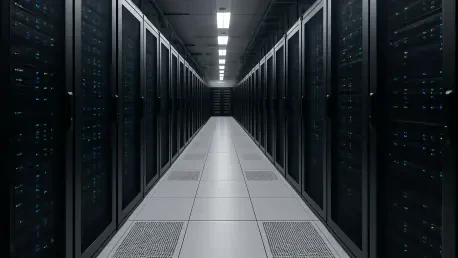

While some tech industry leaders suggest climate change is no longer a pressing concern, citizens across the country are confronting a starkly different reality as they face rapidly increasing energy costs directly linked to the corporate race for AI dominance. The push for more power-hungry data centers by giants like Google, Meta, Microsoft, and Amazon is exacerbating both economic and environmental crises. According to the U.S. Energy Information Administration, energy prices have surged at more than double the rate of general inflation since 2020, a trend intensified by the massive electrical demands of the digital infrastructure powering our modern world. These sprawling facilities, which support everything from cloud storage to generative AI, are driving up utility bills and placing an unprecedented strain on national resources, leaving the public to shoulder the hidden costs of technological progress.
1. The Escalating Economic Burden on Consumers
The proliferation of data centers across the nation is creating a direct and significant financial impact on household budgets, as these facilities consume electricity on a scale comparable to a small city. This immense demand for power has caused the wholesale price of electricity in regions with a high concentration of data centers to skyrocket by an astonishing 267% over the last five years. This dramatic increase in cost is not absorbed by the tech corporations but is instead passed on directly to everyday customers, who see the consequences reflected in their monthly utility statements. As these companies expand their digital empires, they are effectively externalizing their operational costs onto a public that has little to no say in the matter, turning a private pursuit of profit into a public financial liability and straining family finances in communities across the country.
Beyond higher electricity bills, Americans are also bearing the escalating financial consequences of a destabilized climate, a problem intensified by the fossil fuels that power many of these data centers. The Joint Center for Housing Studies at Harvard reported that insurance prices have risen 74% between 2008 and 2024, with nearly two million people losing their policies between 2018 and 2023 due to mounting climate risks. Simultaneously, home prices have climbed 40% in the last two decades, meaning the cost of repairing and recovering from climate-fueled disasters like hurricanes and wildfires has also grown substantially. With wages failing to keep pace with these surging expenses, the public finds itself in a precarious position, paying for both the direct energy consumption of Big Tech and the indirect, yet devastating, environmental fallout of that consumption.
2. Straining Essential Resources and Reversing Green Progress
The insatiable energy appetite of data centers poses a severe threat to the stability of the nation’s power infrastructure, which is already vulnerable due to aging components and the increasing frequency of extreme weather events. The added pressure to supply uninterrupted power to these energy-intensive facilities heightens the risk of widespread blackouts during critical emergencies such as deep freezes, heatwaves, and hurricanes, leaving entire communities without essential services when they are most needed. Furthermore, the strain on resources extends beyond the electrical grid. In some locales, the immense water requirements for cooling data center equipment have led to the depletion of local groundwater sources, causing residents’ taps to literally run dry. This creates a direct conflict over essential resources, pitting the operational needs of multinational corporations against the fundamental right of communities to have access to water.
Compounding these issues, the staggering energy demand driven by the AI boom has triggered a concerning resurgence in the use of dirty energy, undermining years of progress toward a cleaner power grid. To meet the demand, energy providers are not only constructing new gas-powered plants but are also delaying the planned shutdowns of aging and inefficient fossil fuel facilities. In a particularly alarming development, the tech industry is now advocating for a revival of nuclear energy to power its operations. This includes a plan to reopen the Three Mile Island nuclear plant, the site of the most infamous nuclear disaster in U.S. history, by 2028 specifically to supply electricity to Microsoft’s data centers. This move not only contradicts corporate commitments to sustainability but also reintroduces significant health and safety risks to nearby populations, all in the service of powering the next generation of technology.
A Retrospective on Corporate Responsibility
The consequences of Big Tech’s unchecked expansion became clear as communities bore the financial and environmental costs. Rising energy bills, a worsening climate, depleted water supplies, and increased noise pollution became the lived reality for many, all while corporate profits soared. An alternative path had been available, one where tech giants upheld their stated commitments to use 100% renewable energy instead of falling back on fossil fuels and controversial nuclear power. A future where data centers were integrated into communities with full transparency and robust protections could have been realized. The responsibility ultimately rested with these corporations to ensure their growth did not come at the expense of the public’s well-being. Ensuring that communities were fully informed and protected from the impacts on power usage, water access, and local pollution should have been a non-negotiable prerequisite for development.