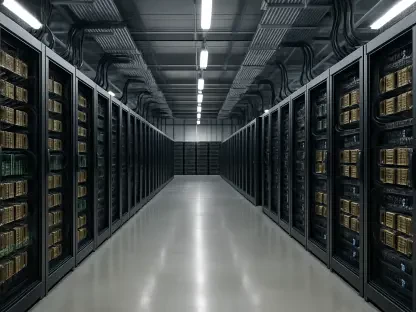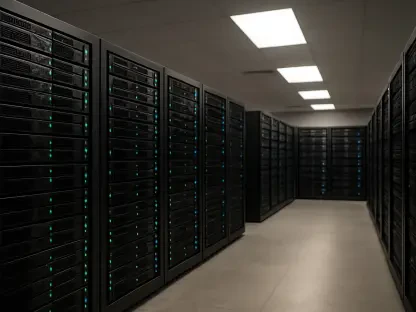

While the visual landscape of the global economy is often defined by consumer brands, the actual operational integrity of the S&P 500 depends almost entirely on the invisible digital scaffolding provided by Oracle’s enterprise-grade architecture. In a market where a few seconds of downtime can translate into millions of dollars in lost revenue, the reliability of database management systems is no longer a luxury but a fundamental requirement for survival. Oracle has positioned itself as the central nervous system for these corporate giants, moving beyond its legacy as a provider of software licenses to become a comprehensive cloud infrastructure partner. This evolution is particularly evident as companies grapple with the volume of data generated by modern transactions. By integrating autonomous database technology with analytics, Oracle enables large-scale organizations to transition from reactive data storage to proactive strategic planning. This shift underscores a trend where technical stability dictates the competitive standing of firms within the world’s most influential index.
The Strategic Pivot: Cloud Infrastructure and Database Superiority
Building on this foundation, the current landscape of 2026 shows that enterprise digital transformation is no longer about isolated upgrades but about the seamless migration of core workflows to the cloud. Oracle’s Cloud Infrastructure (OCI) has become a preferred destination for S&P 500 companies looking to escape the limitations of on-premise hardware without sacrificing the granular control they demand. This approach is exemplified by how financial services and healthcare providers use Oracle to manage sensitive datasets while maintaining strict compliance standards. The ability to offer a hybrid model, where legacy databases communicate effortlessly with high-speed cloud clusters, provides a unique advantage. This dual focus ensures that even the most conservative corporations can modernize their stacks at a manageable pace. Furthermore, the introduction of specialized industry-specific clouds has allowed Oracle to capture niche markets, cementing its status as a critical driver of scalability and operational efficiency across the global market.
Market Resilience: The Role of Integrated Digital Ecosystems
The long-term performance of Oracle within the S&P 500 mirrored the broader health of the digital economy, acting as a reliable indicator for how well enterprises adapted to technological shifts. By streamlining complex data needs and ensuring high-level security for corporate infrastructure, the company secured its position as a primary driver of long-term operational resilience. Organizations that leveraged these integrated ecosystems avoided the pitfalls of fragmented software environments, which often led to security vulnerabilities and inefficiencies. To maintain this momentum, leadership teams prioritized the consolidation of disparate data silos into unified platforms that offered real-time visibility. Moving forward, the focus shifted toward embedding artificial intelligence directly into the database layer to automate routine maintenance and threat detection. Investors and executives alike recognized that the stability of the modern enterprise was linked to these robust digital backbones. Consequently, the adoption of autonomous technologies became the standard for ensuring growth.