
The rapid evolution of the artificial intelligence sector has reached a critical turning point as major technology corporations re-evaluate the strategic foundations of their most vital partnerships. For several years, the alliance between Microsoft and OpenAI served as the undisputed blueprint for generative AI development, propelling both entities to the forefront of the industry. However, the landscape in 2026 reflects a more cautious and diversified approach to infrastructure and model deployment. Microsoft has officially expanded its ecosystem to include Anthropic, integrating the Claude model family directly into its enterprise service offerings. This transition represents a fundamental shift in how the tech giant manages its dependency on external providers, prioritizing operational stability and competitive versatility. By moving away from an exclusive model, the company is effectively insulating itself from the various risks associated with a single-source strategy, ensuring that its massive cloud infrastructure remains resilient in an era defined by rapid technological shifts and unpredictable market dynamics.
Strategic Realignment in the Generative Era
The Evolution of Corporate Partnerships: A Shift Toward Stability
The relationship between Microsoft and OpenAI, once considered the most formidable pairing in technology, has faced significant scrutiny following a series of internal disruptions that began to surface approximately eighteen months ago. The temporary removal and subsequent reinstatement of Sam Altman sparked concerns regarding the governance and long-term stability of the organization, leading enterprise partners to question the wisdom of total dependence. For Microsoft, these events highlighted the vulnerability of tying its flagship Copilot services to a single developer whose internal culture appeared increasingly volatile. This realization prompted a strategic pivot toward a multi-model architecture, designed to provide a safety net against potential leadership crises or sudden changes in corporate direction. As OpenAI continues to navigate its complex identity between consumer hardware and enterprise software, Microsoft is taking deliberate steps to ensure its own product roadmap remains untethered from any singular partner’s internal complications or shifting financial priorities.
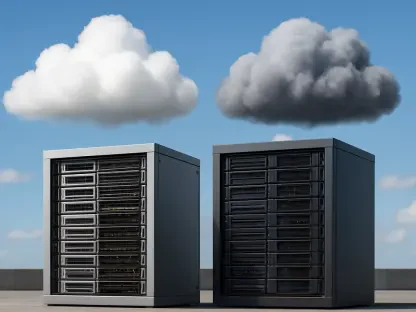
The broadening of this partnership model is also driven by the immense financial pressure and capital requirements inherent in modern AI development. OpenAI’s aggressive spending and multifaceted business deals have created a perception of a liability that requires careful management rather than unfettered commitment. While the initial collaboration was essential for establishing market dominance, the current objective is to foster a more balanced ecosystem where no single entity holds disproportionate influence over Microsoft’s technological future. By introducing Anthropic as a primary model provider, Microsoft is creating an internal marketplace that encourages performance optimization and price transparency. This approach mirrors the historical strategies used in hardware supply chains, where diversification is the standard protocol for mitigating risk and maintaining leverage over suppliers. The focus has moved from merely providing a service to building a robust, fault-tolerant infrastructure capable of weathering the financial and operational turbulence that often characterizes high-growth technology startups.
Performance Benchmarks: The Competitive Edge of Anthropic
Anthropic has emerged as a powerhouse in the artificial intelligence sector, consistently delivering models that challenge the established benchmarks of the GPT series. The integration of the Claude model family into Microsoft’s service suite provides enterprise users with access to an engine known for its sophisticated reasoning, ethical alignment, and superior processing speeds. This move is a direct response to the performance parity achieved by Anthropic, which has successfully positioned itself as a reliable alternative for complex data analysis and long-context processing. By incorporating these capabilities, Microsoft ensures that its platform remains the most versatile tool for corporate clients who require high-precision outputs for legal, medical, and technical applications. The addition of Claude allows for a broader range of specialized tasks, effectively filling the gaps where previous models may have struggled with nuance or factual consistency, thereby maintaining Microsoft’s lead in the competitive enterprise productivity market.
Furthermore, the adoption of Anthropic’s technology aligns Microsoft with broader industry trends observed across major cloud competitors. Both AWS and Google Cloud recognized the intrinsic value of Anthropic early on, integrating its models to provide their customers with greater choice and flexibility. Microsoft’s decision to follow a similar path is not merely a defensive maneuver but a proactive effort to satisfy a growing demand for multi-cloud and multi-model environments. Enterprise customers are increasingly sophisticated and resistant to being locked into a “walled garden” ecosystem. They require the ability to toggle between different high-tier models based on specific project requirements, cost constraints, or safety protocols. By offering Claude alongside existing options, Microsoft strengthens its value proposition, presenting a unified platform that delivers the best of breed in artificial intelligence while catering to the nuanced preferences of modern global organizations that prioritize flexibility above all else.
Meeting the Demands of the Enterprise Sector
Flexibility and Choice: The New Corporate Standard
The current market environment reflects a strong preference for hybrid solutions where businesses can tailor their artificial intelligence implementations to meet specific operational needs without being restricted by proprietary limitations. Corporate leaders are prioritizing autonomy, seeking platforms that allow them to integrate diverse toolsets into their existing workflows seamlessly. This desire for flexibility is particularly evident in the rapid adoption of “Cowork for Copilot,” a feature that empowers organizations to select their preferred underlying model based on the complexity of the task at hand. By facilitating this level of choice, Microsoft is directly addressing the concerns of chief information officers who fear the long-term implications of vendor lock-in. Providing access to various high-tier models ensures that companies can optimize their internal processes for efficiency and cost-effectiveness, choosing the model that offers the best balance of speed and accuracy for their unique data sets and industry-specific requirements.
The strategic implementation of a multi-model framework also serves to insulate corporate clients from the inherent volatility of the AI research landscape. As different labs release updates at varying intervals, Microsoft’s integrated approach allows its users to benefit from the latest innovations regardless of which company achieves the next breakthrough. This stability is crucial for large-scale enterprises that have already invested heavily in the Microsoft 365 ecosystem and require a reliable, consistent experience across their global operations. With over 15 million paid subscribers currently utilizing Copilot services, the stakes for maintaining performance and availability have never been higher. The move toward diversification ensures that if one provider experiences a service outage, a degradation in model quality, or a radical change in pricing structure, Microsoft can maintain its service levels by leaning on its broader network of partners, thus protecting its reputation as the premier provider of enterprise-grade productivity software.
Looking Ahead: Future Proofing the AI Ecosystem
In the context of these recent shifts, the focus of the industry has moved toward the long-term sustainability and scalability of integrated intelligence solutions. Microsoft’s strategy to incorporate Anthropic was a calculated response to the maturing needs of a sophisticated user base that demands both power and predictability. By establishing a framework that values model diversity, the company positioned itself to navigate the next decade of technological advancements without being anchored to the fortunes of any single startup. This initiative empowered organizations to build more resilient digital infrastructures, fostering an environment where competition between model providers directly benefited the end-user through improved safety features and enhanced computational capabilities. The emphasis on ethical alignment and reliable performance became the standard by which all subsequent integrations were measured, setting a high bar for any future entrants into the enterprise software market.
The integration of Anthropic into the broader service architecture ultimately provided a roadmap for how modern tech giants can manage complex partnerships while driving innovation. Stakeholders within the enterprise sector transitioned from early experimental phases to a more disciplined implementation of AI tools, focusing on measurable returns and operational security. This evolution encouraged a move away from monolithic systems in favor of more modular and adaptable configurations. Moving forward, the industry is expected to see a continued emphasis on transparency and interoperability, as businesses seek to maintain a competitive edge in an increasingly automated economy. By prioritizing flexibility and reducing single-provider risks, Microsoft successfully solidified its role as a central hub for corporate intelligence, ensuring that its platform remains indispensable for the global workforce while adapting to the continuous shifts in the frontier of machine learning and large language models.