
A monumental surge in technology investment is reshaping industries worldwide, with global IT spending projected to climb to an unprecedented $6.15 trillion this year, marking a significant 10.8% increase from the previous year. This robust growth, detailed in recent analyses, is occurring despite economic headwinds and sector-specific slowdowns, signaling a profound shift in business priorities. At the heart of this expansion are transformative technologies, with artificial intelligence, cloud infrastructure, and cybersecurity acting as the primary catalysts. Companies and governments are no longer viewing technology as a discretionary expense but as a fundamental pillar for innovation, efficiency, and competitive advantage. This strategic pivot is fueling a sustained boom, redirecting capital toward foundational digital capabilities and setting the stage for the next wave of technological evolution across virtually every sector of the global economy.
The Global Engine of AI and Infrastructure
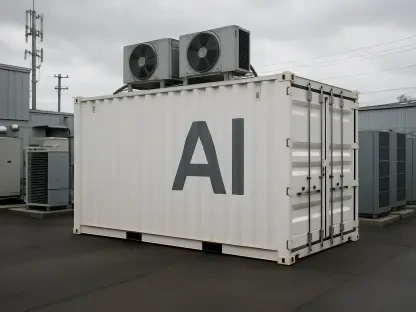
The relentless upward trajectory of global IT spending is overwhelmingly powered by the artificial intelligence revolution. AI is not merely a software trend; it is a fundamental driver of massive hardware and infrastructure investment. Hyperscale cloud providers, racing to meet the insatiable demand for AI workloads, are aggressively expanding their capabilities. This has ignited a phenomenal surge in server spending, which is expected to accelerate by a remarkable 36.9% in 2026. This is a core component of a much broader expansion in data center spending, a category forecast to grow by an impressive 31.7% to eclipse $650 billion. The investment reflects a clear understanding that advanced computational power is the bedrock upon which future AI-driven innovations will be built, compelling organizations to modernize their core infrastructure to remain competitive. This foundational spending is creating a ripple effect, driving growth across the entire technology ecosystem as companies prepare for a more intelligent, automated future.
While hardware forms the foundation, the software and services layer is where much of the immediate value of AI is being unlocked. Spending on both application and infrastructure software is projected to climb by 15.2%, a testament to the broad-based adoption of digital tools across enterprises. More specifically, the generative AI segment is experiencing explosive growth, with spending anticipated to skyrocket by an astonishing 80.8%. In stark contrast to this software-fueled boom, the personal device market is facing a notable deceleration, with growth projected at a more modest 6.1%. This slowdown is primarily attributed to rising memory prices, which are increasing the average cost of new devices. Consequently, consumers, particularly in the lower-end market, are discouraged from frequent upgrades, leading to longer replacement cycles. This divergence highlights a market in transition, where strategic enterprise investments in transformative technologies are far outpacing consumer-driven hardware consumption.
European Resilience and Strategic Implementation
This pattern of robust technology investment is mirrored in Europe, where tech spending is on track to surpass 1.5 trillion euros for the first time. The European Union’s economy has demonstrated notable resilience against external pressures, maintaining a steady GDP growth that provides a stable foundation for strategic investments. The engine of this growth is overwhelmingly concentrated in enterprise and government sectors. Projections indicate that over 70% of the spending increase between 2025 and 2030 will originate from these entities as they channel funds into advanced computer equipment and sophisticated software solutions. Key industries are leading this charge, including defense, financial services, healthcare, and retail, all of which are aggressively investing in and adopting AI technologies to modernize operations, enhance service delivery, and secure a competitive edge in a rapidly evolving digital landscape.
The United Kingdom stands out as a compelling case study of this European trend, showcasing a clear transition from early AI experimentation to performance-driven, large-scale implementation. This is particularly evident within its formidable financial sector, where three-quarters of institutions have already integrated AI into their core operations. The nation is also demonstrating a strong commitment to foundational research and development, with significant investments flowing into the defense and healthcare sectors. A notable example is the National Health Service’s technology budget, which is on a trajectory to nearly double to £10 billion by 2029. This aligns with a comprehensive national strategy aimed at enhancing AI compute capacity and targeting £22.6 billion in R&D spending by 2030, signaling a long-term vision for technological leadership. To navigate prevailing economic challenges, businesses are being advised to prioritize AI initiatives that not only boost immediate productivity but also foster the development of a skilled, AI-literate workforce for the future.
A New Baseline for Digital Investment
The global spending surge underscored a fundamental re-evaluation of technology’s role in the global economy. It was no longer a support function but the central nervous system of modern enterprise and government. The massive capital flows into AI, cloud, and cybersecurity established a new, elevated baseline for digital investment that promised to reshape industries for years to come. This period of intense spending crystallized the understanding that strategic technological adoption was the primary determinant of future growth and resilience. The focus shifted from incremental upgrades to foundational transformations, ensuring that the infrastructure and skills were in place to capitalize on the next wave of innovation. This strategic pivot laid the groundwork for a more interconnected, intelligent, and automated world.