
The transition from experimental cloud adoption to mature industrial-scale operations has fundamentally redefined the structural requirements of the modern digital enterprise in 2026. As organizations move beyond simple experimentation, the cloud architect has emerged as a pivotal figure responsible for the structural integrity and long-term viability of the entire digital estate. This professional role is not merely about the deployment of software or the provisioning of virtual servers; rather, it is about the disciplined alignment of complex technical platforms, human capital, and corporate economics into a cohesive whole. By making thousands of interconnected decisions regarding data flow, security boundaries, and resource allocation, the architect prevents the slow-motion organizational failure that often stems from unmanaged technical sprawl. They ensure that technology serves as a reliable vehicle for the broader business mission rather than becoming a source of friction that inhibits growth and rapid market response.
The immense value provided by a cloud architect is clearly reflected in their significant economic leverage within the global job market, where expertise is consistently rewarded with high compensation. Often commanding salaries that exceed $200,000 annually, these professionals act as a vital safeguard against catastrophic financial risks and operational vulnerabilities, such as massive cost blowouts or sophisticated data breaches. They are recognized as “force multipliers” because their strategic frameworks enable hundreds of individual developers to work safely and efficiently within established boundaries. By investing in high-level architectural talent, an enterprise is effectively purchasing insurance against the organizational gridlock that typically cripples less disciplined competitors who lack a clear technical vision. This strategic foresight allows companies to navigate the complexities of modern computing with a level of confidence that is only possible when the underlying infrastructure is managed by a dedicated and skilled expert.
Driving the Shift to Industrialization
Scaling Beyond Initial Adoption: From Chaos to Order
While many small teams can achieve basic cloud adoption using nothing more than a credit card and a spirit of rapid experimentation, scaling that success across a massive global enterprise requires a completely different level of rigor. This transition from “easy adoption” to “hard industrialization” represents the primary domain of the cloud architect, who must harmonize disparate efforts into a unified corporate strategy. They transform what is often a period of expensive and fragmented improvisation into a predictable, governed environment where every resource has a clear purpose and a defined cost. By establishing what are known as “paved roads”—standardized patterns and automated templates that make the correct way of operating also the easiest for the user—they ensure the company does not collapse under the weight of its own technical debt. This systematic approach allows the organization to replicate success across various departments without reinventing the wheel for every new project or application deployment.
Modern architectural industrialization requires moving away from manual configurations toward an automated infrastructure-as-code mindset that ensures consistency across every environment. The cloud architect designs these automated pipelines to handle the heavy lifting of compliance and security checks, allowing the development teams to focus purely on delivering business value through their code. This shift prevents the “snowflake” phenomenon, where every server or database is configured slightly differently, leading to an operational nightmare during troubleshooting or system updates. By enforcing a strict adherence to standardized architectural patterns, the architect creates a resilient foundation that can withstand the pressures of rapid scaling and high-demand cycles. The goal is to move the organization toward a state where infrastructure is a utility—always available, always secure, and always optimized—rather than a constant source of technical overhead and manual intervention that slows down the entire delivery process.
Implementing Strategic Guardrails: Balancing Speed and Security
A key component of cloud industrialization is the creation of strategic guardrails that provide necessary security and compliance oversight without blocking the speed of software delivery. Architects design these systems to allow for rapid growth and innovation while maintaining a consistent and reliable posture across many disparate departments and global regions. They focus heavily on “nonfunctional requirements,” such as high-availability disaster recovery and sophisticated cost behavior analysis, ensuring that the cloud remains a strategic asset rather than an uncontrolled expense. Without this structural discipline, a growing enterprise risks developing an accidental complexity that drains valuable human resources and slows the pace of innovation to a crawl. The architect’s role is to define the boundaries within which teams can move freely, ensuring that the most dangerous errors are caught automatically before they can impact the production environment or the corporate reputation.
Beyond the immediate technical implementation, these guardrails serve as a governance framework that aligns the technical execution with the broader regulatory and legal obligations of the modern firm. In an era of strict data sovereignty and privacy laws, the architect must ensure that every data flow and storage decision complies with regional mandates across the entire global footprint. This involves the design of sophisticated identity and access management systems that follow the principle of least privilege, ensuring that users and services have only the specific access they need. By embedding these controls directly into the architectural fabric, the organization can provide evidence of compliance to auditors and regulators with minimal manual effort. This proactive approach to risk management allows the business to enter new markets and adopt new technologies with the assurance that the underlying systems are inherently secure and legally sound, regardless of the scale of the operation.
Navigating the Daily Complexities of Cloud Design
Beyond Static Diagrams: The Reality of Modern Design
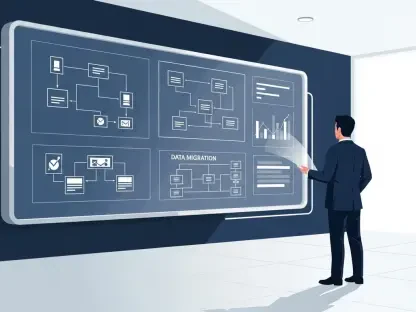
The daily life of a cloud architect is far removed from the outdated stereotype of an isolated individual spending their time drawing static charts and abstract diagrams that never see implementation. Instead, they serve as active creators of organizational clarity, constantly translating high-level business goals into executable and resilient technical designs that can withstand real-world pressures. Their routine involves performing rigorous reviews of complex network topologies, identity flows, and encryption boundaries to ensure that every workload is resilient against outages and security threats. Because cloud decisions are often “sticky” and incredibly difficult to reverse once they are integrated into the production pipeline, architects must commit deliberately to specific technologies. They choose paths that offer the greatest long-term payoff and flexibility, ensuring that the organization is not locked into a legacy path that might become obsolete or prohibitively expensive within a few years.
This active participation in the design process also includes the continuous evaluation of emerging services and features offered by major cloud providers to determine their actual utility. An architect must cut through the marketing noise to identify which tools truly provide a competitive advantage and which ones introduce unnecessary complexity or vendor lock-in risks. They spend a significant amount of time prototyping these solutions to validate performance benchmarks and security assertions before they are recommended for enterprise-wide adoption. This hands-on validation ensures that the architectural blueprints are not just theoretical concepts but are practical and battle-tested designs that developers can rely on. By serving as the bridge between the bleeding edge of technology and the stability required by the enterprise, the architect ensures that the organization remains modern and competitive without sacrificing the reliability that customers and stakeholders expect.
Mediating Competing Corporate Interests: The Architect as Diplomat
A significant portion of the architect’s daily role involves resolving conflicts between various corporate stakeholders who often have deeply competing priorities and perspectives. Security teams may demand highly restrictive controls that prioritize safety above all else, while product development teams push for maximum speed and finance departments require strict cost predictability. The cloud architect must act as a technical diplomat, synthesizing these diverse “truths” into a single, supportable system that satisfies all parties without compromising the integrity of the platform. This ability to bridge the gap between high-level corporate strategy and ground-level technical execution is what makes the architect a “trusted advisor” within the executive suite. They provide the context necessary for leadership to make informed decisions about risk, investment, and the prioritization of technical initiatives that drive the business forward in an increasingly digital marketplace.
The mediation process often involves negotiating trade-offs where no perfect solution exists, requiring the architect to balance immediate needs against long-term sustainability goals. For instance, a rapid product launch might require a temporary bypass of some standard procedures, and the architect must determine if the resulting technical debt is manageable or if it poses a long-term risk. They must communicate these nuances to non-technical leaders, explaining the implications of architectural choices in terms of business impact, such as time-to-market, operational costs, and potential security liabilities. By fostering a culture of transparency and collaboration, the architect helps break down the traditional silos that often exist between IT and the rest of the business units. This collaborative environment ensures that everyone is moving in the same direction, with a shared understanding of how the cloud infrastructure supports the overarching goals of the modern enterprise in a competitive landscape.
Ensuring Long-Term Evolution and Mastery
Managing Continuous Modernization: The Blueprint for Change
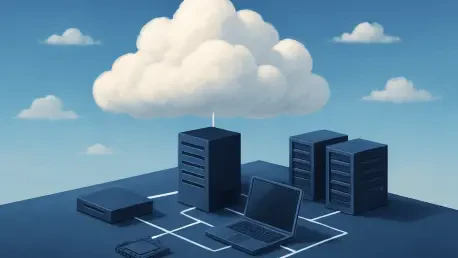
The demand for architectural expertise persists long after the initial migration because modern enterprises are in a state of constant technical evolution rather than a static destination. Whether the organization is transitioning from traditional virtual machines to containerized microservices or adopting advanced zero-trust security postures, companies require a detailed blueprint to manage these shifts. Furthermore, complex scenarios such as cloud-to-cloud migrations—often driven by corporate mergers, acquisitions, or changing data residency requirements—require an architect to manage years of technical coexistence. Without professional oversight, these transitions frequently result in brittle, duplicated systems that are incredibly difficult to maintain and secure. The architect ensures that every new technology integration is planned with the same level of rigor as the original migration, maintaining a cohesive environment despite the constant change.
Continuous modernization also involves the proactive retirement of legacy components that no longer serve the business efficiently or securely, a process that is often overlooked in fast-paced environments. The cloud architect identifies these “sunset” candidates and plans their phased removal to minimize disruption to active business processes and dependent applications. This lifecycle management is crucial for keeping the cloud environment lean and optimized, preventing the accumulation of “technical cruft” that can inflate costs and create hidden security vulnerabilities. By maintaining a clear roadmap for both adoption and retirement, the architect provides a stable path forward for the entire engineering organization. This strategic vision ensures that the enterprise can pivot quickly when new opportunities arise, as the underlying infrastructure is designed for flexibility and is not weighed down by outdated or redundant technical baggage.
The Path to Professional Excellence: Mastery and Empathy
True mastery in cloud architecture requires far more than just passing a series of certification exams; it demands a unique synthesis of deep technical knowledge and broad systemic thinking. An effective architect must have extensive hands-on experience with the fundamental building blocks of computing, including networking, identity management, and observability, to understand exactly how systems fail. This “applied judgment” is earned through years of building real-world systems and observing the long-term consequences of specific design choices as they play out over time. However, technical skill is only one part of the equation, as mastery is also defined by the ability to communicate with empathy and clarity. An architect must ensure that technical constraints are not only understood but are also accepted across the organization as necessary components of a successful and sustainable digital ecosystem.
The development of this professional excellence also requires a commitment to continuous learning, as the cloud landscape evolves with incredible speed and frequency. Architects must stay informed about the latest developments in artificial intelligence integration, edge computing, and green computing initiatives to ensure their designs remain relevant and efficient. They often mentor junior engineers and participate in industry communities to share knowledge and refine their own perspectives on best practices and emerging trends. This commitment to the craft goes beyond individual achievement; it is about raising the standard of engineering across the entire organization and fostering a mindset of excellence and accountability. By modeling these behaviors, the architect helps build a resilient and highly capable technical team that is prepared to tackle the increasingly complex challenges of the modern digital world with skill and confidence.
The Antidote to Accidental Complexity: Future Considerations
The cloud architect served as the essential antidote to the accidental complexity that often plagued modern corporations during the rapid digital expansions of the past decade. By focusing on the structural health of the digital environment, these professionals ensured that the cloud functioned as a unified, industrial-grade engine for growth rather than a collection of disparate and unmanaged services. As long as enterprises faced strict regulatory obligations and the absolute necessity for operational integrity, the cloud architect remained at the top of the technical hierarchy. Their work successfully transformed potential digital chaos into a streamlined and resilient infrastructure that powered the global economy through various periods of volatility. The strategic value provided by this role was validated through the significant reduction in unplanned downtime and the notable optimization of cloud spending across the most successful organizations.
Leaders who recognized the value of the cloud architect early on were able to navigate the transitions to serverless and AI-driven architectures with far greater ease than those who ignored architectural discipline. These organizations established robust centers of excellence that prioritized architectural review as a core business function rather than a bureaucratic hurdle to be bypassed. By integrating architectural thinking into the very fabric of the corporate culture, they ensured that every new initiative was built on a foundation of security and scalability. This proactive approach allowed the most forward-thinking firms to outpace their competition by being more agile and more resilient in the face of rapid technological shifts. The discipline instilled by the architect eventually became the benchmark for how modern businesses managed their most critical digital assets, ensuring that technology remained a powerful catalyst for sustainable success and long-term innovation.