
Imagine a world where artificial intelligence doesn’t just support business operations but fundamentally redefines them, turning complex challenges into streamlined solutions overnight. That’s the promise of Google Cloud Next 2024, set to unfold from April 22-24 at Mandalay Bay in Las Vegas. This flagship event isn’t just another tech conference; it’s a crucible for groundbreaking ideas in AI and cloud computing, drawing developers, executives, and innovators from across the globe. With registration now open and early bird discounts beckoning, the stage is set for an immersive experience packed with keynote speeches, hands-on workshops, and unparalleled networking opportunities. Whether joining in person or tuning in virtually, attendees will witness how AI is reshaping industries and driving real-world impact. Beyond the buzz of new tool unveilings, this event aims to address pressing business needs, from modernizing outdated systems to fostering collaboration that sparks lasting change. As anticipation builds, the hybrid format ensures no one misses out, making this a pivotal moment for anyone invested in the future of technology.
Revolutionizing Business with AI
Driving Business Transformation with AI
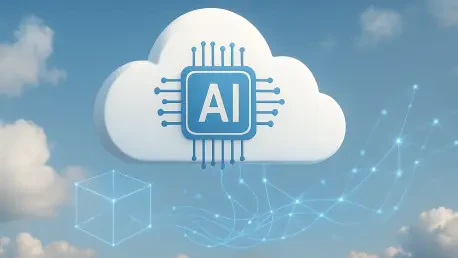
The spotlight at this year’s event in Las Vegas will undoubtedly shine on artificial intelligence as the beating heart of enterprise technology. Advancements like the enhanced Gemini models and Vertex AI platforms are expected to take center stage, demonstrating how AI can revolutionize everything from data analytics to operational workflows. Live demonstrations of tools such as BigQuery Migration Services will offer tangible proof of AI’s ability to simplify intricate problems, providing attendees with a firsthand look at its transformative power. This isn’t mere speculation; it reflects a broader industry shift toward AI-first strategies where staying competitive means embracing intelligent automation. For businesses looking to maintain an edge, the event promises to be a treasure trove of inspiration and practical insights, revealing how these technologies can be woven into everyday operations to drive efficiency and innovation.
Moreover, the focus on AI extends beyond flashy demos to address deeper systemic needs within organizations. Sessions are likely to explore how generative AI can unlock new possibilities in areas like customer engagement and predictive analytics, offering tailored solutions for diverse industries. This emphasis on customization signals a departure from one-size-fits-all approaches, instead prioritizing tools that adapt to specific business contexts. By showcasing real-world applications, the conference will likely bridge the gap between theoretical promise and actionable outcomes, helping attendees visualize the direct benefits of AI adoption. As industries grapple with rapid change, this event stands as a beacon for those ready to harness intelligent systems to not just keep up, but to lead the charge in their respective fields.
Showcasing AI’s Real-World Impact
Beyond the theoretical, the event will dive into concrete examples of AI reshaping entire sectors, proving its worth beyond buzzwords. Case studies from forward-thinking companies will illustrate how AI-driven insights can enhance decision-making, streamline supply chains, and even boost employee productivity. These stories aren’t just for show; they’re blueprints for success that attendees can adapt to their own challenges, offering a glimpse into a future where data isn’t just collected but actively leveraged for growth. The conference’s ability to ground AI in practical scenarios makes it a vital stop for professionals eager to see theory turn into results, ensuring they leave with more than just ideas—they’ll have a roadmap.
Equally compelling is the focus on scalability, showing how AI solutions can grow with a business, from startups to global enterprises. Expect discussions on how tools like Vertex AI can be customized to handle increasing data loads without sacrificing speed or accuracy, a critical concern for expanding companies. This scalability angle ties directly into the event’s overarching theme of future-readiness, preparing attendees for long-term shifts rather than short-term fixes. By highlighting adaptable AI frameworks, the conference will empower participants to think strategically about technology investments, ensuring they’re not just reacting to trends but actively shaping their trajectory in an ever-evolving digital landscape.
Modernizing Infrastructure for the Future
Transitioning to a Future-Ready Infrastructure
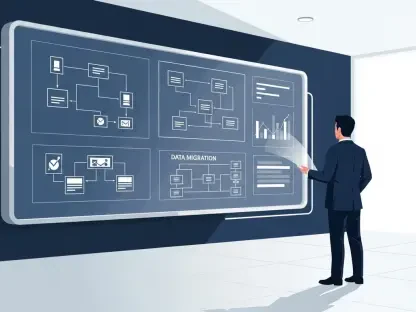
A central narrative at the Las Vegas gathering will revolve around the urgent need for cloud migration, guiding organizations to shed outdated systems in favor of modern, AI-ready environments. With legacy infrastructure often acting as a bottleneck to innovation, sessions will unpack real-world examples like TELUS’s application of AI for employee engagement, showcasing the tangible perks of going cloud-native. Enhanced security, improved scalability, and streamlined operations emerge as key benefits, painting a clear picture of why this transition isn’t optional but essential. Attendees will walk away with actionable takeaways on navigating these shifts, armed with strategies to overhaul their setups while minimizing disruption. This focus mirrors the industry’s push toward agility, where adapting to new tech isn’t just a luxury—it’s the foundation of survival.
Additionally, the event will likely emphasize the role of cloud migration in unlocking AI’s full potential, creating a seamless synergy between data systems and intelligent tools. Discussions will delve into how cloud environments enable faster processing and more robust analytics, critical for businesses handling vast datasets. By presenting frameworks for smooth transitions, such as phased rollouts or hybrid cloud strategies, the conference will cater to organizations at varying stages of digital maturity. This isn’t about pushing a hard sell but offering a lifeline to those struggling with tech debt, ensuring they can step confidently into an AI-driven future without the baggage of yesterday’s systems weighing them down.
Overcoming Barriers to Modernization
Tackling the hurdles of modernization head-on, the conference will address common pain points like cost concerns and compatibility issues that often stall cloud adoption. Expect in-depth sessions that break down financial models, showing how initial investments in cloud infrastructure yield long-term savings through efficiency gains and reduced downtime. These conversations will be grounded in data, providing clarity for decision-makers wary of upfront expenses. By demystifying the economics of migration, the event aims to shift perceptions from viewing it as a risk to seeing it as a strategic move, essential for staying relevant in a tech-saturated market.
Furthermore, technical challenges won’t be glossed over, with workshops offering hands-on guidance for integrating new systems with existing workflows. From addressing data silos to ensuring regulatory compliance during transitions, the focus will be on practical solutions rather than abstract promises. This granular approach helps build trust among attendees, showing that modernization isn’t a leap into the unknown but a calculated step forward. As businesses face mounting pressure to innovate, these sessions will serve as a critical resource, equipping them with the tools and knowledge to navigate the often daunting path to a cloud-centric, AI-enhanced infrastructure.
Fostering Collaboration and Ecosystems
Building Innovation Through Ecosystems
Collaboration will emerge as a powerful undercurrent at the event, with the partner pavilion acting as a dynamic hub for forging alliances that drive tech breakthroughs. Bringing together industry giants and nimble startups alike, this space facilitates deal-making and idea-sharing in critical areas like cybersecurity and AI ethics. Past events have shown that such interactions often spark game-changing innovations, as diverse perspectives collide to tackle shared challenges. The emphasis on ecosystems highlights a fundamental truth: in today’s tech landscape, progress isn’t a solo endeavor but a collective push, where partnerships amplify impact far beyond what any single player could achieve alone.
In addition, the collaborative spirit extends into curated sessions that explore how joint solutions can address complex industry needs, from securing cloud environments to ensuring ethical AI deployment. These discussions will likely showcase successful alliances, offering models for how companies can pool resources and expertise to accelerate adoption of cutting-edge tools. For attendees, this presents a unique opportunity to not only witness innovation in action but to become part of it, forging connections that could redefine their business trajectories. As the tech world grows increasingly interconnected, the event’s focus on ecosystems serves as a reminder that the future belongs to those who build together.
Strengthening Industry Bonds for Long-Term Gains
The event’s networking opportunities will further cement the importance of collaboration, providing fertile ground for relationships that extend well beyond the three-day conference. From informal meetups at partner receptions to structured breakout sessions, these interactions create a breeding ground for long-term alliances that can shape industry trends. Unlike fleeting exchanges, the bonds formed here often lead to sustained projects, whether it’s co-developing new tools or addressing regulatory challenges as a united front. This aspect of the conference underscores its role not just as a showcase, but as a catalyst for enduring change through shared goals.
Moreover, the diversity of players in the partner pavilion ensures that collaboration isn’t limited to big names; smaller firms and niche innovators get a seat at the table too. This inclusivity fosters a richer dialogue, where unconventional ideas can challenge established norms and spark unexpected solutions. By leveling the playing field, the event encourages a broader spectrum of voices to contribute to the tech conversation, enriching the ecosystem as a whole. As attendees navigate this collaborative landscape, they’ll find that the real value lies not just in the technology on display, but in the human connections that turn potential into progress over time.
Expanding Reach and Inclusivity
Bridging Borders with a Hybrid Model
Accessibility takes precedence at this year’s conference, with a hybrid format ensuring that participation isn’t bound by geography. Whether joining in person at Mandalay Bay or opting for the no-cost digital pass, attendees from around the world can engage with livestreamed keynotes, virtual networking events, and on-demand content. This approach breaks down traditional barriers of travel and cost, making cutting-edge insights available to a global audience. It’s a powerful statement on inclusivity, reflecting a commitment to democratizing access to technology and ensuring that no one is left behind in the race toward innovation. For many, this flexibility transforms the event from a distant possibility into a tangible opportunity to learn and connect.
Equally significant is how this hybrid model caters to varied schedules and learning preferences, allowing participants to customize their experience. Remote attendees can revisit sessions at their convenience, while in-person participants soak up the energy of live interactions. This dual structure maximizes the event’s impact, reaching not just those in the room but also countless others tuning in from afar. By blending physical and digital realms, the conference sets a standard for how tech events can broaden their influence, ensuring that the conversation around AI and cloud computing resonates on a truly international scale. It’s a nod to the reality of today’s workforce—diverse, distributed, and hungry for access.
Ensuring Diverse Voices Are Heard
The hybrid setup also amplifies diversity by inviting input from a wider range of professionals, from solo developers in remote regions to executives in bustling hubs. Virtual platforms enable forums and Q&A sessions where unique perspectives can shape the discourse, enriching the overall dialogue. This isn’t just about numbers; it’s about ensuring that the tech narrative isn’t dominated by a narrow slice of the industry but reflects a mosaic of experiences and challenges. By fostering such inclusivity, the event positions itself as a melting pot of ideas, where innovation draws strength from the breadth of its contributors.
Furthermore, the digital pass ensures that financial constraints don’t exclude passionate participants, leveling the playing field for smaller organizations and independent innovators. This commitment to accessibility mirrors broader industry trends toward equity in tech, where access to knowledge and tools becomes a right, not a privilege. As the conference unfolds, this inclusive ethos will likely inspire new collaborations and insights that might never have surfaced in a purely physical setting. It’s a forward-thinking move, signaling that the future of technology isn’t just about who’s in the room—it’s about who’s in the conversation, no matter where they are.
Equipping Teams for Tomorrow
Hands-On Skills and Workforce Development
For those eager to dive deep, the event offers a wealth of hands-on learning through developer workshops, Innovation Studios, and interactive demo zones. These sessions aren’t just about observing; they’re about doing—testing the latest AI agents, exploring analytics dashboards, and experimenting with cutting-edge APIs. Programs like Google Skills will likely play a starring role, focusing on building practical AI expertise that teams can apply immediately. With potential certifications up for grabs, attendees have a chance to formalize their learning, adding tangible value to their professional toolkit. This emphasis on upskilling speaks to a core need in tech: tools are only as good as the people wielding them, and this conference aims to bridge that gap with real, actionable training.
Beyond individual growth, these learning opportunities target team empowerment, equipping entire units to tackle modern challenges with confidence. Sessions will likely cover collaborative workflows, showing how groups can leverage AI tools to enhance productivity and innovation across departments. This isn’t just about coding or tech specs; it’s about fostering a mindset of adaptability in an era where change is the only constant. By prioritizing workforce development, the event ensures that attendees don’t just leave with new knowledge—they leave with the ability to transform their organizations from the ground up, creating a ripple effect of progress that extends far beyond the conference walls.
Turning Knowledge into Action
The practical bent of these workshops extends into strategies for implementation, guiding attendees on how to integrate new skills into existing systems without friction. Expect detailed walkthroughs on deploying AI solutions in real-world scenarios, addressing pitfalls like integration hiccups or user resistance. This hands-on focus ensures that learning doesn’t stay theoretical but becomes a springboard for immediate impact, whether it’s optimizing a data pipeline or automating routine tasks. For many participants, this actionable guidance will be the difference between inspiration and execution, turning conference takeaways into measurable outcomes back at the office.
Additionally, the event will likely emphasize continuous learning, encouraging attendees to view upskilling as an ongoing journey rather than a one-time event. Resources for post-conference training, such as online modules or community forums, may be highlighted to sustain momentum. This forward-looking approach acknowledges that technology evolves faster than any single event can capture, urging professionals to stay curious and adaptable. As businesses race to keep pace with AI advancements, these learning platforms offer a lifeline, ensuring that the skills honed in Las Vegas remain sharp and relevant in the months and years to follow, driving sustained growth.
Guiding Enterprise Strategy
Navigating Cloud and AI Investments
Enterprise leaders will find tailored content at the conference, with sessions diving into the nitty-gritty of cloud economics, return on investment, and the regulatory landscape of AI deployment. These discussions won’t shy away from hard numbers, offering data-driven strategies to maximize efficiency while minimizing costs. Topics like compliance with emerging standards and the push for sustainable cloud practices will likely take precedence, reflecting the growing scrutiny on tech’s broader impact. For executives, this is a chance to map out smart investments, ensuring that every dollar spent on AI and cloud tech yields measurable gains. It’s not just about adopting the latest tools—it’s about weaving them into a resilient, forward-thinking business model.
Equally critical will be the focus on risk management, with insights on balancing innovation with accountability in AI rollouts. Sessions may explore frameworks for ethical deployment, addressing concerns like bias in algorithms or data privacy breaches. These aren’t abstract debates but practical guides for leaders under pressure to innovate responsibly. By providing clarity on navigating regulatory mazes and public expectations, the event positions itself as a strategic compass for C-suite attendees. As businesses face increasingly complex demands, this guidance will help chart a course that aligns technological ambition with societal and legal responsibilities, ensuring long-term stability.
Crafting a Vision for Sustainable Growth
Beyond immediate tactics, the conference will inspire leaders to think long-term, crafting visions for growth that prioritize sustainability alongside profit. Discussions on how cloud efficiencies can reduce carbon footprints or optimize resource use will resonate with companies aiming to meet environmental goals. This isn’t a sideline issue but a core component of modern business strategy, where tech choices reflect broader corporate values. Leaders will leave with ideas on how to position their firms as stewards of both innovation and responsibility, a dual role that’s becoming non-negotiable in today’s market.
Furthermore, the event will likely encourage a holistic view of tech investment, urging executives to consider cultural and operational shifts alongside financial ones. How does AI adoption affect workplace dynamics? What internal changes are needed to support cloud scalability? These deeper questions will frame sessions, pushing leaders to think beyond balance sheets to the human and systemic impacts of their decisions. By fostering this comprehensive perspective, the conference did more than inform—it challenged attendees to redefine success in an era where technology touches every facet of enterprise, setting a foundation for growth that endures well into the future.