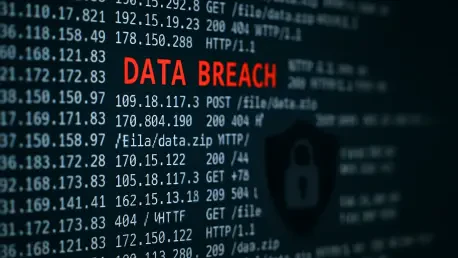

A single cybercriminal operating in the shadowy corners of the internet has offered the digital blueprints to critical components of the United States’ energy infrastructure for sale, a stark reminder that the security of the nation’s power grid is only as strong as its most vulnerable partner. The incident, originating from a breach at a Florida engineering firm, exposes the sensitive schematics of power systems serving millions of Americans, transforming a localized security failure into a national security concern. This breach is not merely about stolen data; it is a direct threat to the operational integrity of essential services that power homes, hospitals, and economies, highlighting the cascading risks inherent in the interconnected supply chains of critical industries.
What a Nation’s Power Grid Blueprint Is Worth on the Dark Web
For one hacker, the price for a detailed look into the U.S. power grid is 6.5 bitcoin. This digital currency demand, equivalent to nearly $600,000, is the asking price for a massive trove of data allegedly stolen from Pickett and Associates, an engineering firm deeply embedded in the nation’s energy sector. The sale, advertised on a clandestine dark web forum, represents a new and alarming commodification of national security vulnerabilities, where critical infrastructure data is treated as just another high-value asset for cybercriminals to auction off to the highest bidder.
The transaction signals a chilling evolution in cybercrime. No longer are hackers solely focused on personal information or financial data. Instead, they are now targeting the foundational systems that underpin modern society. This shift reflects a strategic calculation that nation-states, rogue actors, or corporate spies would pay a premium for intelligence that could be used for espionage, sabotage, or competitive advantage, turning a single company’s data breach into a potential threat to millions.
Why a Breach at an Unassuming Florida Firm Threatens Millions
The breach exposes a fundamental weakness in national security: the vulnerability of the supply chain. Pickett and Associates, while not a household name, serves as a critical engineering partner for some of the largest utility providers in the country. These third-party vendors are often granted deep access to sensitive networks and data to perform their duties, yet they may not possess the same robust cybersecurity defenses as the giant corporations they serve, making them an attractive target for attackers looking for an easy entry point.
This single point of failure creates a dangerous domino effect. By compromising one vendor, a malicious actor can gain access to the proprietary and highly sensitive information of multiple major utilities. In this case, the stolen data is linked to Tampa Electric, Duke Energy, and American Electric Power, which together supply electricity to a vast customer base of over eight million people. The breach at a single, relatively small firm has therefore created a potential threat that spans a significant portion of the American energy landscape, connecting a hacker’s keyboard directly to the light switches in millions of homes.
Anatomy of the Hack and the Stolen Data
The sheer scale and nature of the stolen information underscore the severity of the breach. The hacker is offering a 139 GB data cache containing what security experts would consider the “crown jewels” of infrastructure intelligence. This is not generic corporate data; it is a highly detailed digital replica of physical energy infrastructure. The files include over 800 classified raw LiDAR point cloud files, which provide precise, three-dimensional maps of transmission line corridors, along with high-resolution orthophotos and MicroStation design files detailing the layout of electrical substations. Such data could allow an adversary to identify critical vulnerabilities for a physical or cyberattack with frightening precision.
Further evidence reveals this was not an isolated or random act but part of a calculated campaign targeting the energy sector. The same cybercriminal is simultaneously attempting to sell an internal database from Enerparc AG, a major German solar energy company. This pattern of targeting demonstrates a clear and deliberate focus on acquiring sensitive data from across the international energy industry. The concurrent sales suggest a sophisticated actor with a strategic interest in energy infrastructure, moving beyond simple financial motivation toward a more concerning goal of intelligence gathering or disruption.
A System Under Siege in the War on US Energy Infrastructure
This incident is a symptom of a much larger and rapidly escalating problem. The energy and utility sectors have become prime targets for cyberattacks, with ransomware incidents alone surging by 80% in the last couple of years. These statistics paint a sobering picture of a system under constant siege, where the operational technology that controls the flow of power is increasingly in the crosshairs of malicious actors. Global ransomware attacks against critical industries have risen 34% since 2023, with the United States bearing the brunt of these assaults.
The adversaries are diverse and formidable, ranging from financially motivated cybercriminal syndicates to sophisticated nation-state actors. Intelligence agencies consistently identify Russia, China, and Iran as significant threats, nations with the resources and intent to conduct espionage or disruptive attacks against U.S. critical infrastructure. Experts in the field have issued stark warnings about the potential for national-level consequences, where a successful cyberattack could disrupt essential services, cause widespread economic damage, and erode public trust in the stability of the nation’s most vital systems.
Fortifying the Front Lines in an Era of Constant Threat
In response to this escalating threat landscape, a fundamental shift in security strategy is imperative. The traditional approach of reacting to breaches after they occur is no longer sufficient. Instead, organizations must move toward a proactive and preventative security posture, anticipating threats and hardening defenses before an attack can succeed. This involves a commitment to continuous monitoring and vigilance, recognizing that the threat is persistent and the defense must be as well. For critical infrastructure, security cannot be a periodic checklist; it must be a constant, dynamic process.
This proactive defense must extend beyond the corporate network to encompass the entire supply chain. Utilities and energy companies have a responsibility to rigorously vet the cybersecurity practices of their third-party vendors, like Pickett and Associates, holding them to the same high standards they maintain for themselves. Implementing stringent security requirements for all partners, conducting regular audits, and limiting access to sensitive data are crucial steps in closing the security gaps that attackers so readily exploit. The breach revealed how a vulnerability anywhere in the chain becomes a threat to the entire system. Therefore, securing that chain is no longer optional; it is a matter of national security.