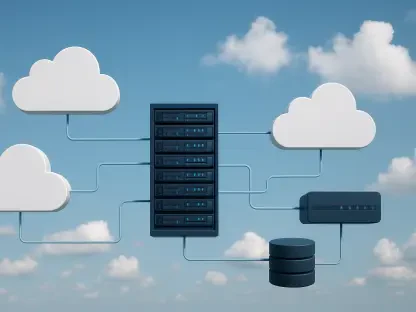

Proprietary and unverified encryption methods used by some generic providers often fall short of the rigorous ISO 27001 and SOC 2 certification standards. As the transition from physical filing cabinets to digital repositories reaches its final stages in the current corporate landscape, a dangerous gap has widened between standard cloud storage and specialized secure environments. Modern businesses are discovering that consumer-grade platforms, once heralded for their simplicity, are fundamentally inadequate for managing sensitive corporate intelligence. The surge in sophisticated cyberattacks has transformed data breaches into financially devastating events that threaten the very existence of mid-market and enterprise-level firms. Consequently, there is an urgent move toward secure architecture, specifically Virtual Data Rooms (VDRs), which represent a fundamental change in how organizations perceive their responsibilities. This shift highlights a departure from the convenience-centric models of the past decade toward a more rigorous, control-oriented framework required for critical business cycles.
The Structural Inadequacy of Consumer-Grade Platforms
The Conflict: Accessibility and Control
The core failure of standard cloud storage lies in the inherent tension between ease of access and robust control. Platforms like Google Drive or Dropbox were originally engineered with a user-first philosophy, prioritizing seamless sharing and minimal friction for collaborative creative projects. While this model is ideal for marketing assets or internal memos, it creates a structural liability for sensitive corporate data where the default settings often allow users to view, download, and forward files with almost no oversight. In these environments, the priority is on connectivity rather than containment, making it difficult to prevent accidental or malicious distribution of intellectual property once a link is shared. The convenience of one-click access becomes a significant vulnerability when the information involved includes trade secrets or unannounced financial results. Without the ability to restrict high-level actions by default, generic platforms expose organizations to risks that grow exponentially as teams expand.
The Vulnerability: Default Sharing Settings
Beyond the philosophical intent of these platforms, the technical implementation of access often lacks the nuance required for high-stakes business operations. When a user is granted access to a folder in a standard cloud service, they typically inherit a broad set of rights that are difficult to prune without breaking the collaborative workflow. This “all-or-nothing” approach to document visibility means that a temporary contractor might inadvertently gain access to sensitive strategic plans simply by being part of a project-wide shared drive. Furthermore, the lack of granular control over printing or screen capturing allows data to exit the secure perimeter almost as soon as it is viewed. For companies operating in 2026, where digital assets are the primary source of value, the inability to lock down specific interactions with a file represents a failure of governance. The result is a system where the ease of sharing becomes a direct conduit for data leaks, necessitating a move toward platforms designed with zero-trust principles at their core.
The Limitation: Uniform Data Protection
Standard cloud tools typically treat every file with the same level of protection, regardless of its sensitivity or the potential impact of its loss. In a typical shared drive, a low-stakes office memo regarding the holiday schedule often receives the same security protocols as a confidential financial statement or a proprietary acquisition strategy. This lack of differentiation forces businesses to attempt manual security workarounds, such as applying passwords to individual PDF files or managing complex folder permissions that are difficult to audit. Such methods are not only labor-intensive but also fail to scale effectively as the volume of data and the number of external stakeholders increase during a transaction. Relying on manual oversight creates a significant margin for human error, which is the leading cause of data leaks in the modern workplace. Organizations eventually reach a tipping point where the effort required to secure a standard cloud environment exceeds the cost and complexity of implementing a specialized solution.
The Scalability: Failure of Manual Workarounds
The scalability issue is particularly evident during complex mergers or intellectual property audits where thousands of documents must be categorized and secured simultaneously. In a generic cloud environment, the administrative burden of ensuring that each file has the correct level of encryption and access restriction becomes overwhelming. This leads to “permission creep,” where users retain access to files long after their involvement in a project has ended. Without automated systems to manage these lifecycles, sensitive data remains exposed indefinitely in forgotten corners of the cloud. Moreover, the lack of integrated tools for mass-applying security policies means that one oversight can compromise an entire data set. Specialized environments solve this by providing global policies that can be enforced across entire repositories with a single action. This transition from manual file management to automated security governance is essential for businesses that need to maintain a high pace of operations without sacrificing the integrity of their most valuable digital assets.
Rising Risks and the Necessity of Specialization
The Stakes: Economic and Regulatory Accountability
The financial fallout of data insecurity is reaching an all-time high, with costs extending far beyond the immediate technical remediation to include lost business opportunities and aggressive regulatory fines. Industry data indicates that the cost of a breach is often tied to the time taken to detect and contain the incident, a metric where generic storage providers often lack the detailed monitoring necessary for rapid response. Furthermore, regulatory bodies across the globe have made it clear that accountability cannot be fully outsourced to a third-party cloud provider. Organizations must recognize that they are ultimately responsible for configuring the correct security controls and verifying that encryption standards are met throughout the data lifecycle. Relying on a generic provider’s baseline settings is increasingly viewed as a form of professional negligence by insurers and legal counsel alike. This shift in the regulatory climate demands a more proactive stance on data governance that prioritizes the integrity and sovereignty of the information assets over the mere ease of their accessibility.
The Compliance: Managing Data Sovereignty
Building on the regulatory landscape, the legal implications of data residency and sovereignty have become more complex as international trade continues to expand. Generic cloud providers often move data across a global network of servers to optimize performance, which can inadvertently lead to violations of regional privacy laws like the GDPR or CCPA. For modern businesses, knowing exactly where their data is stored and who has the legal authority to request access is a critical component of risk management. A specialized secure environment provides the transparency needed to verify that data remains within specific jurisdictions, thereby mitigating the risk of heavy fines and reputational damage. Additionally, these platforms often provide specialized legal and compliance modules that help teams stay ahead of changing requirements. This localized control is not just a technical feature but a strategic necessity for any company operating in the global market, ensuring that their data handling practices align with the highest international standards of privacy and protection.
The Architecture: Pillars of Secure VDRs
A Virtual Data Room is not merely an enhanced version of cloud storage; it is a platform built on the foundational assumption that most individuals should see as little information as possible. The key pillars that distinguish VDRs from standard services include granular permissioning that can be applied at the document or even the individual page level. This ensures that sensitive financial data is only visible to those with the highest level of clearance, even within a single folder. Additionally, dynamic watermarking serves as a powerful deterrent against internal leaks by tagging every document view with the specific user’s identity. Comprehensive audit trails provide a transparent record of every action taken within the platform, allowing administrators to see exactly who accessed what and for how long. These features, combined with temporal access controls and restricted download rights, create a controlled environment where the data owner retains power over the asset even after it has been shared with an external party.
The Resolution: Strategic Data Governance
The transition to a dedicated Virtual Data Room represented a strategic imperative driven by the need for proactive risk management in a period of increasing digital volatility. Many businesses mistakenly believed their existing tools were sufficient until a security breach or a failed transaction highlighted the underlying vulnerabilities of standard cloud storage. Moving to specialized VDRs reflected a maturing understanding of corporate data as a core asset that required military-grade protection during its most sensitive life cycles. This evolution ensured that sensitive information remained protected through granular controls and comprehensive oversight, shielding organizations from the escalating costs of data insecurity. By prioritizing secure architecture over mere convenience, leaders established a foundation for sustainable growth and protected their brand reputation from the fallout of unauthorized disclosures. The shift toward specialized environments ultimately provided the necessary safeguards for modern commerce, allowing companies to navigate complex deals with confidence.