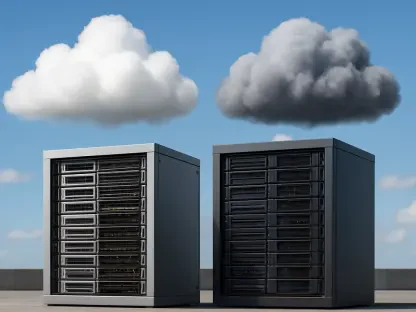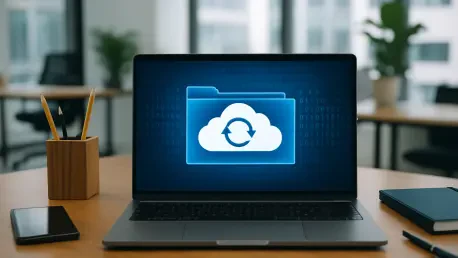

Modern enterprises operating in 2026 frequently entrust their most sensitive human capital management and financial data to cloud platforms under the mistaken belief that high availability is synonymous with a comprehensive backup strategy. While Workday provides an incredibly robust and secure environment for payroll and talent operations, it operates under a shared responsibility model where the customer remains the ultimate custodian of the data itself. A sudden administrative error or a misconfigured integration can lead to the permanent loss of complex worker records or historical compensation details before the internal IT team even identifies the issue. This creates a dangerous control gap that independent backup solutions aim to bridge by providing an external, immutable layer of protection. By decoupling the backup from the primary service provider, organizations gain a transparent view into their data health, ensuring that they are never locked out of their own business intelligence due to vendor-specific technical limitations or unexpected system outages.
Bridging the Control Gap: Point-in-Time Recovery
The implementation of a secondary backup layer allows for the systematic capture of both full and incremental snapshots of intricate data structures that traditional cloud safeguards might overlook during routine maintenance. Beyond basic employee names and IDs, these specialized tools archive complex metadata, system security settings, and specific financial transaction logs that are vital for reconstructing a business environment after a failure. Because these backups occur independently of the main Workday instance, they provide a clean historical record that remains unaffected by changes made within the production environment. This level of detail is essential for organizations that handle thousands of daily updates across global payroll systems, where a single error in a mass-upload process could ripple through the entire database. Having a dedicated repository for these records ensures that data integrity is maintained even when the primary software interface experiences latency or synchronization errors.
One of the most significant advantages of this independent approach is the ability to perform point-in-time recovery, allowing administrators to roll back specific data fields to a precise historical moment without a total system reset. In a typical production environment, a full-scale restoration is a massive undertaking that can disrupt business operations for days, but granular recovery tools allow for the surgical restoration of individual worker profiles or specific financial periods. This flexibility ensures that the business remains operational while the IT department addresses localized data corruption or accidental deletions that occurred during a specific window of time. Furthermore, this capability facilitates seamless data exports for deep-dive analytical projects or forensic audits, providing a sandbox-like environment where data can be inspected and validated without touching the live system. This methodology effectively removes the pressure from HR and finance teams, knowing that every change made is reversible and verifiable through an external audit trail.
Navigating Global Compliance: Multi-Cloud Resilience
Maintaining strict adherence to global regulatory frameworks like GDPR, HIPAA, and SOC requires more than just a secure cloud environment; it demands verifiable proof of data sovereignty and retention. Independent backup solutions address these requirements by offering end-to-end encryption for data both in transit and at rest, coupled with sophisticated role-based access controls that limit who can view sensitive information. Detailed audit logs track every interaction with the backup repository, providing a clear chain of custody that is often required during external financial audits or legal discovery processes. These platforms often include automated retention policies that can be customized to match the specific legal requirements of different jurisdictions, ensuring that data is neither deleted prematurely nor held longer than necessary. By centralizing these security protocols within a dedicated backup management interface, enterprises can streamline their compliance workflows and reduce the risk of heavy fines associated with data mismanagement or unauthorized access.
Integrating these backup solutions through established ecosystems like the Google Cloud Marketplace significantly simplifies the procurement and deployment process for large-scale organizations. This availability allows businesses to utilize their existing cloud budget and consolidated billing systems, removing the administrative hurdles often associated with onboarding new software vendors in a complex corporate environment. Beyond mere convenience, this integration reinforces a broader multi-cloud resilience strategy by distributing critical data assets across different infrastructure providers, such as AWS, Oracle Cloud, or Azure. If a major cloud outage affects one provider, the independent backup remains accessible on another, ensuring that the organization can maintain its disaster recovery objectives without interruption. This diversified approach to data storage not only mitigates technical risks but also provides a level of operational flexibility that is essential for modern businesses navigating an increasingly fragmented digital landscape where uptime is directly tied to revenue.
Advancing Toward: A Proactive Data Governance Model
The shift toward independent data protection represented a fundamental evolution in how enterprises approached cloud-based disaster recovery and governance. Organizations that prioritized these external safeguards discovered that they were better equipped to handle the complexities of modern data management than those who relied solely on native provider tools. Moving forward, the most effective strategy involved a proactive assessment of existing data gaps and the immediate implementation of automated synchronization schedules to ensure no critical record was ever left unprotected. Leaders sought to integrate these backup systems into their standard IT workflows, making data validation a routine part of their administrative operations rather than an emergency response. By adopting this multi-layered defense, companies effectively insulated their financial and human capital assets from the unpredictable nature of digital errors and external threats. This commitment to data resilience became the new standard for operational excellence, proving that visibility and control were the ultimate tools for long-term stability.