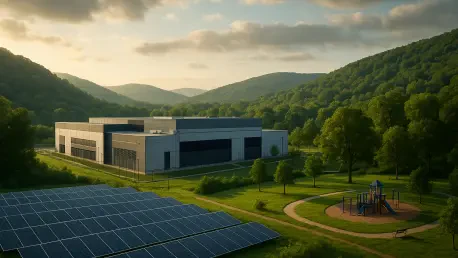

The corporate push for transparency marks a strategic shift for AWS, which is now focusing on direct financial incentives to overcome widespread public skepticism. As the race to dominate the artificial intelligence sector intensifies, the physical infrastructure required to support these advanced systems has become a significant point of contention across the United States. Local residents and municipal governments increasingly voice concerns regarding the massive scale of these projects, often citing the strain on local resources and the perceived lack of long-term community benefits. Matt Garman has stepped forward to address these tensions, framing the expansion not merely as a business necessity but as a foundational requirement for maintaining national competitiveness. This discourse highlights a fundamental struggle between the rapid pace of technological innovation and the traditional rhythms of community life, forcing a reevaluation of how global tech giants interact with the regions that host their digital foundations.
Geopolitical Priorities: The National Security Argument
The argument for data center expansion is increasingly framed through the lens of national security and economic sovereignty. Garman asserts that the ability of the United States to lead in the development of artificial intelligence is directly tied to the availability of robust physical infrastructure. However, he also points toward a concerning trend involving foreign interference. According to recent reports, hostile actors from overseas have been identified as the source of coordinated misinformation campaigns designed to inflame local opposition. By spreading exaggerated claims about noise pollution, environmental degradation, and resource depletion via social media platforms, these adversaries seek to slow down American technological progress. This strategic framing suggests that the domestic debate over data centers is no longer just a local planning issue but a critical front in a broader global competition where infrastructure speed determines geopolitical influence and long-term security.
To combat this atmosphere of distrust, a major shift in corporate policy has been implemented, moving away from the secretive negotiations that characterized earlier expansion efforts. The reliance on nondisclosure agreements in government discussions is being phased out in favor of a more open and collaborative approach. Central to this strategy is the launch of the Built Together initiative, a comprehensive program backed by a substantial one-billion-dollar commitment. This investment is specifically allocated to fund local priorities such as vocational training, STEM education in public schools, and environmental conservation projects that align with the specific needs of each host community. By providing tangible benefits that extend beyond the fence line of the facility, the goal is to demonstrate that data centers can function as active and supportive neighbors. This pivot reflects a recognition that financial success and public acceptance must go hand in hand to maintain growth.
Local Realities: Economic Benefits and Public Opposition
Environmental concerns remain at the forefront of public resistance, yet academic research and public polling indicate that a profound disconnect persists between industry narratives and community sentiment. A recent poll conducted by the University of Massachusetts Amherst revealed that approximately sixty-five percent of Americans oppose the construction of large-scale AI data centers in their immediate neighborhoods. This skepticism has manifested in over one hundred active moratoriums on data center construction across various states, signaling a significant regulatory hurdle. Furthermore, the promise of high-paying jobs is being scrutinized by independent think tanks. Research from Verdant suggests that the actual number of permanent roles created by these facilities often falls short of initial corporate projections, sometimes by as much as seventy-five percent. This discrepancy raises questions about the long-term economic value of such projects for local families who find that construction booms often end.
Ultimately, the discourse surrounding data center expansion shifted toward a model based on shared accountability and measurable local impact. Industry leaders recognized that overcoming skepticism required more than just financial pledges; it demanded a fundamental change in how transparency was practiced during the planning stages. Moving forward, developers found success by prioritizing the modernization of aging infrastructure and investing in localized power solutions that eased the burden on the existing grid. This transition also involved creating transparent reporting mechanisms that allowed residents to track resource consumption in real time. For companies seeking to expand, the primary takeaway was the necessity of establishing trust through consistent engagement and verifiable data. By aligning corporate objectives with the well-being of host communities, the tech sector began to mitigate friction. These steps provided a viable roadmap for sustainable development that balanced innovation and the public interest.