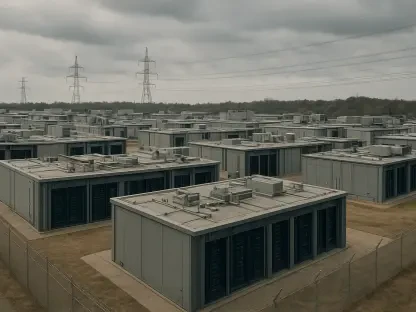

The quiet landscape of rural America is undergoing a seismic shift as tech giants look beyond Silicon Valley to anchor their massive artificial intelligence infrastructure, often choosing small municipalities that offer vast land and proximity to power grids. A $6.6 billion investment in a single township represents a staggering influx of capital that can dwarf the local annual budget by a factor of hundreds. While the promise of high-paying jobs and a revitalized tax base sounds like a dream for local officials, the reality of hosting a hyperscale facility involves navigating a complex web of logistics and social changes. These facilities are high-tech fortresses packed with advanced processing units like the NVIDIA Blackwell architecture, requiring specialized maintenance and constant supervision. For a town with a population of only a few thousand, the arrival of such a project acts as a catalyst for rapid urbanization that might outpace the community’s ability to adapt.
Economic Transformation: Infrastructure and Growth
The sudden injection of billions of dollars into a local economy typically begins with a construction boom that brings thousands of temporary workers into the area. This phase provides an immediate boost to local businesses, from diners to hardware stores, yet it also puts an unprecedented strain on the existing housing market and rental availability. Long-term economic benefits often manifest through significant property tax contributions, which can fund the modernization of local schools and the expansion of emergency services. However, the specialized nature of AI data center operations means that many of the permanent, high-salary positions are filled by experts brought in from outside the community rather than local residents. This creates a demographic shift that can alter the social fabric of the town, as new families move in with different expectations for municipal services. Balancing the needs of the legacy population with the demands of a new workforce requires a clear vision.
Beyond the human element, the physical infrastructure of a small town often lacks the capacity to support the heavy-duty logistics required by a $6.6 billion project. Roadways designed for light agricultural traffic may crumble under the weight of heavy machinery and constant deliveries of sensitive server racks and cooling components. Public utilities, particularly water and sewage systems, must be upgraded significantly to handle the needs of both the facility and the supporting residential growth. Local governments often find themselves in a race against time to secure grants or negotiate developer agreements that ensure the tech company pays its fair share for these necessary improvements. If the municipality fails to secure these commitments early in the negotiation process, the burden of maintaining and expanding public works may fall on the existing taxpayers. This financial pressure can lead to friction if property values rise too quickly for residents to manage.
Environmental Sustainability: Resource Management and Future Resilience
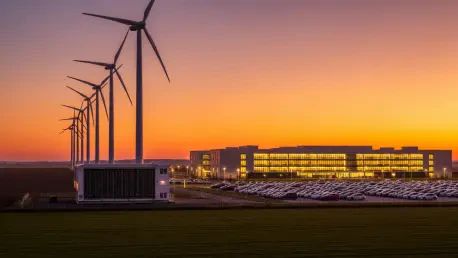
Energy demand and water consumption remain the most contentious issues when a massive AI data center integrates into a small-town grid. These facilities operate around the clock, consuming vast amounts of electricity to power thousands of high-performance GPUs and liquid cooling systems that prevent overheating. In many cases, the local utility must build new substations or high-voltage lines, which can take years to complete. To mitigate impact, firms are investing in renewable energy projects like solar farms or wind turbines nearby. From 2026 to 2028, the industry anticipates a shift toward localized solutions, including small modular reactors or large-scale battery storage units. These innovations aim to ensure that the data center does not outcompete local homes for power or water. However, traditional evaporative cooling can still strain local aquifers, necessitating a transition to closed-loop systems that protect the community’s primary water sources from industrial depletion.
The successful integration of a massive AI data center into a small town required a proactive approach that prioritized transparency and long-term collaboration. Local leaders who secured comprehensive community benefit agreements early in the process ensured that the technological windfall benefited more than just the corporate shareholders. These agreements often mandated that tech firms invested in local workforce development, creating a pipeline for residents to transition into high-tech roles. Furthermore, the implementation of smart growth policies helped manage the sudden increase in population without destroying the rural character of the community. Looking ahead, towns should establish dedicated task forces to monitor environmental impacts in real time, allowing for rapid adjustments. By fostering an environment where innovation and preservation coexisted, municipalities avoided the pitfalls of rapid industrialization. Future developments should focus on repurposing waste heat for local utility needs.