
The insatiable energy appetite of artificial intelligence has become one of the most significant challenges facing the technology sector, with projections showing that data center power consumption is set to skyrocket in the coming years. This surge in demand creates a critical bottleneck, threatening to slow the pace of AI innovation if not met with equally innovative energy infrastructure solutions. In a landmark move designed to directly address this challenge, NextEra Energy and Google Cloud have announced a major expansion of their collaboration, forging a new partnership aimed at developing the massive, power-intensive data center campuses required to fuel the next wave of AI. This multifaceted agreement represents a deep integration of energy and technology, focusing not only on building new infrastructure but also on leveraging Google’s AI to digitally transform NextEra’s own operations, creating a symbiotic relationship that could redefine how the digital world is powered. The initiative will see the joint development of multiple gigawatt-scale data center sites across the United States, a scale necessary to support the immense computational needs of modern AI models and cloud services. This partnership signals a pivotal shift in the industry, where the construction of digital infrastructure is now intrinsically linked with the development of its energy source.
A New Blueprint for AI Infrastructure
Forging Gigawatt Scale Campuses
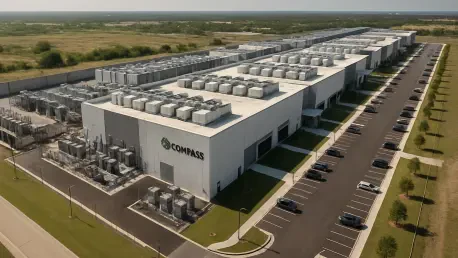
The core of this groundbreaking partnership revolves around the joint development of multiple new data center campuses, each designed to operate at the gigawatt (GW) scale, a monumental undertaking that dwarfs traditional data center projects. This collaborative strategy is meticulously designed to streamline what is typically a complex and lengthy process, directly tackling the primary hurdles of land acquisition, grid interconnection, and the provisioning of immense power generation and capacity resources. By combining NextEra’s profound expertise in energy infrastructure development with Google’s specific requirements for AI-driven data centers, the two companies aim to significantly accelerate the buildout timeline. They have already identified and begun development on the first three of these massive campuses, while concurrently scouting for additional strategic locations across the United States to support future expansion. This ambitious plan is not starting from scratch; it builds upon a robust, long-standing relationship that has already yielded approximately 3.5 GW of energy capacity, either currently in operation or already contracted, providing a solid foundation of proven collaboration for this next, more integrated phase of their shared vision for a sustainably powered digital future.
The Strategic Imperative of Integration
This integrated approach is born from a pressing necessity, as the exponential growth in demand for AI and cloud computing services has outpaced conventional infrastructure development models. Traditional methods, where data centers are built and then seek power connections, often lead to significant delays and grid instability. The Google-NextEra model inverts this paradigm by co-developing power generation and data consumption facilities in tandem, ensuring that the vast energy needs are met from day one. This synergy between a leading technology powerhouse and an energy infrastructure titan creates a new blueprint for supporting the digital economy. The strategy emphasizes the critical importance of aligning land, power, and computing resources from the initial planning stages, which not only accelerates deployment but also enhances overall grid reliability and efficiency. By proactively managing the buildout of these interconnected systems, the partnership aims to create a more resilient and scalable infrastructure capable of supporting the most demanding AI workloads without straining existing public utility networks. This forward-thinking approach is rapidly becoming essential as the technology sector grapples with the enormous physical-world requirements of its increasingly virtual services.
Powering the Future with AI Enhanced Operations
Revolutionizing Energy Sector Operations
Beyond the construction of new physical infrastructure, the partnership extends deep into the operational core of NextEra Energy itself, which is set to undergo a comprehensive digital transformation powered by Google Cloud’s advanced AI and infrastructure technologies. A central pillar of this initiative is the creation of “AI-enhanced” field operations, a concept that aims to fundamentally reshape how the energy utility manages its vast network of assets. By integrating Google’s sophisticated generative and agentic AI capabilities with NextEra’s extensive trove of operational data, the company will gain unprecedented predictive power. This will enable NextEra to more accurately forecast potential equipment failures before they occur, allowing for proactive maintenance that minimizes downtime and improves system reliability. Furthermore, this AI integration will empower the company to dynamically manage complex logistical challenges by navigating the intricate interplay of supply chain availability, crew scheduling, and the disruptive impact of severe weather events. This data-driven approach promises to make the energy grid more intelligent, resilient, and responsive to the myriad variables that affect its performance, ensuring a more stable power supply for all customers, including the new data centers.
From Predictive Models to Commercial Products
The digital overhaul at NextEra will be driven by some of Google’s most advanced forecasting models, including TimesFM 2.5 and WeatherNext 2, providing the energy company and its customers with deeper, more actionable insights for system optimization. These tools will offer more precise predictions for energy demand and generation, particularly from renewable sources, allowing for more efficient management of the grid. However, the collaboration’s scope extends beyond internal improvements into the commercial realm. The two companies plan to jointly bring these newly developed technological advancements to the broader market, offering solutions that can help other energy providers modernize their operations. The first co-developed commercial product, which will encapsulate the AI-driven insights and operational efficiencies honed within NextEra, is slated to become available on the Google Cloud Marketplace by the middle of 2026. This commercial dimension underscores the partnership’s ambition to not only solve their immediate infrastructure and operational challenges but also to establish a new standard for technology’s role in the energy sector. It reflects a shared belief that the solutions they create can drive a sector-wide transformation toward a more efficient and technologically advanced future.
A Symbiotic Future Forged
The announcement of the expanded partnership between Google and NextEra Energy marked a defining moment, solidifying the now-inseparable link between the technology and energy sectors. By intertwining the development of massive AI data centers with the simultaneous buildout of their power sources, the two giants established a new, integrated blueprint for supporting the digital future. This collaboration was more than a construction agreement; it represented a strategic fusion of world-class technology and energy infrastructure expertise. The initiative addressed the immediate, pressing challenge of fueling the AI revolution while simultaneously leveraging that same AI to create a more intelligent, predictive, and resilient energy grid. The decision to co-develop and commercialize these advanced operational technologies suggested a long-term vision that extended beyond their own needs, aiming to catalyze a broader transformation across the entire energy industry. In essence, the partnership laid the groundwork for a future where digital and energy infrastructures were no longer viewed as separate entities but as two sides of the same coin, mutually dependent and evolving together to meet the demands of a world increasingly run on data.