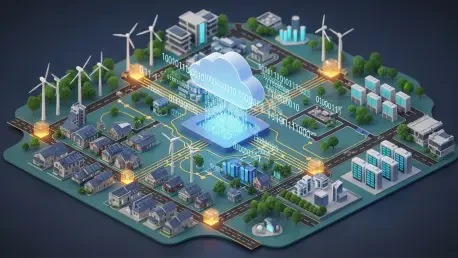

The Australian energy landscape faces a pivotal transformation as the traditional centralized model gives way to a complex ecosystem of renewable sources and consumer-led generation. With the national grid increasingly reliant on weather-dependent solar and wind, the inherent instability of supply creates a critical need for intelligent orchestration through cloud-based platforms. This shift is driven by the decentralization of power, where millions of rooftop solar systems and batteries act as miniature power plants. To maintain frequency stability and prevent blackouts, the Australian Energy Market Operator requires visibility that traditional hardware cannot provide on its own. Artificial intelligence serves as the connective tissue in this paradigm, processing petabytes of data from smart meters and weather sensors to forecast generation spikes. By leveraging cloud scalability, the grid can adjust in milliseconds, balancing the load with surgical precision across vast distances.
Smart Orchestration: The Virtual Power Plant Revolution
Virtual Power Plants represent a significant advancement in how Australian households contribute to the stability of the national electricity market. By aggregating thousands of residential batteries through cloud-native APIs, utilities can create a unified resource that responds to market signals or frequency drops instantly. This orchestration relies on machine learning models that analyze historical consumption patterns and real-time weather data to determine the optimal moment for discharging stored energy. For instance, during a late afternoon peak when solar production wanes but demand remains high, these distributed systems can inject power into the grid to stabilize prices. The cloud provides the necessary infrastructure to handle the massive influx of telemetry data from diverse hardware brands, ensuring that individual devices work in harmony. Without this digital oversight, the volume of distributed energy resources would likely overwhelm local distribution networks.
Beyond simple battery discharge, AI-driven cloud platforms enable sophisticated demand response programs that reward consumers for shifting their energy usage. Smart appliances, electric vehicle chargers, and industrial cooling systems are now being integrated into these digital ecosystems to create a more flexible demand profile. The complexity of managing these interactions requires high-performance computing capabilities found in modern cloud environments, allowing for the simulation of millions of scenarios per second. This proactive approach allows grid operators to manage duck curve phenomena where excess solar energy during midday threatens to destabilize the system. By incentivizing automated consumption during peak production hours, the grid achieves a natural balance that reduces the need for expensive gas plants. The result is a resilient and cost-effective energy system that prioritizes renewable utilization while maintaining the reliability that industrial and residential users expect.
Strategic Transition: Moving Toward an Autonomous Energy Economy
The journey toward a modernized grid required a fundamental shift in how energy stakeholders viewed the relationship between software and hardware. Industry leaders recognized that the physical wires and poles were no longer sufficient without a robust digital layer to manage the complexities of a decarbonized economy. Strategic investments in cloud infrastructure allowed for the seamless integration of large-scale renewable projects, such as the massive solar farms in Queensland and wind projects in Victoria, into the existing framework. These platforms facilitated the transition by providing the transparency needed for investors and regulators to trust in the stability of renewable-heavy portfolios. As the technology matured, the focus shifted from simple monitoring to the implementation of autonomous trading algorithms that could buy and sell energy in real-time. This evolution proved that the combination of artificial intelligence and cloud computing was the only viable path to achieving a net-zero future.
The successful deployment of these digital solutions provided a blueprint for other nations grappling with similar energy transition challenges. The Australian experience demonstrated that the primary hurdles were often data silos and fragmented regulatory frameworks rather than a lack of engineering capability. By adopting open standards for data exchange and prioritizing cybersecurity in cloud deployments, the energy sector built a resilient foundation for growth. The integration of electric vehicle fleets as mobile storage units became the next frontier, further blurring the lines between transportation and energy sectors. Policy makers utilized the rich data sets generated by these AI systems to draft more effective legislation that balanced the needs of energy equity with the drive for technological innovation. Ultimately, the transition to an AI-managed grid was characterized by a move away from static planning toward a dynamic, data-driven methodology that ensured long-term sustainability.