
Rocket Lab recently demonstrated its responsive space capabilities by launching an Electron rocket less than 17 hours after receiving the initial mission notice. This unprecedented feat of logistical agility serves as a microcosm for the broader technological landscape in mid-2026, where the speed of execution has become the ultimate competitive advantage. Across the globe, industries are grappling with a paradox of abundance and scarcity. While the demand for artificial intelligence and high-performance computing has reached a fever pitch, the physical infrastructure required to support this digital transformation is under immense strain. Leading technology firms are no longer just competing on the quality of their algorithms; they are locked in a high-stakes race to secure the silicon, energy, and orbital slots necessary to maintain their market positions. This environment has created a clear divide between the titans capable of brute-forcing their way through supply bottlenecks and the specialized innovators who are successfully pivoting to high-margin, software-centric business models. As the current decade progresses, the focus is shifting toward long-term structural resilience over short-term quarterly gains, as leaders recognize that the current technological supercycle is fundamentally different from any that preceded it. The fusion of hardware, software, and logistical precision is now the baseline for survival in an economy increasingly defined by its reliance on automated systems and real-time data processing.
The Infrastructure Revolution and the Cloud Expansion
Dominance in the Cloud: Future Revenue Projections
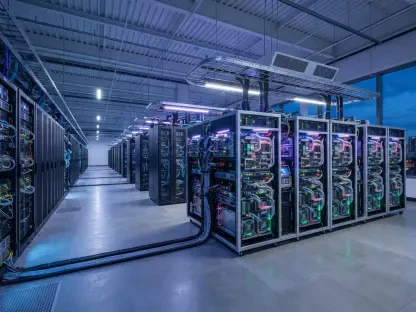
The current fiscal period has highlighted an insatiable appetite for cloud computing and artificial intelligence infrastructure, with Amazon Web Services (AWS) emerging as a primary beneficiary of this global shift. During the second quarter, AWS reported a staggering 37% year-over-year increase in sales, reaching $42.2 billion and significantly outperforming consensus analyst estimates. This growth is not merely a reflection of existing market dominance but signals a fundamental change in how enterprises are integrating generative AI into their core operational workflows. Executives within the organization have articulated a vision where the cloud division transcends its current status to potentially become a $1 trillion annual revenue business within the coming years. This projection is underpinned by a “striking” level of demand that is already visible through 2028, suggesting that the cloud market has moved beyond a phase of incremental growth and into a period of permanent structural expansion. The move toward decentralized AI processing and the need for massive data storage are driving a long-term commitment from global corporations to expand their digital footprints.
The transition toward this trillion-dollar horizon is supported by the fact that cloud services are no longer viewed as optional IT expenses but as the foundational layer for modern industrial and commercial activity. For many organizations, the ability to scale AI models depends entirely on the availability of robust, secure, and high-performance cloud environments. AWS has responded to this need by deepening its integration of proprietary AI chips and specialized software stacks that allow customers to optimize their workloads for both cost and speed. This strategy has allowed the company to capture a larger share of the enterprise market, as businesses look for partners that can provide not just raw computing power but the intelligence to manage it efficiently. The visibility into future demand suggests that the cloud sector is entering a mature yet highly explosive phase, where the winners are determined by their ability to provide a comprehensive ecosystem that spans from basic infrastructure to advanced machine learning applications. Consequently, the trajectory for the cloud industry remains steeply upward, reflecting its role as the central nervous system of the global economy.
The Strategic Shift: Capital Expenditures and Infrastructure
To maintain its lead in this hyper-competitive environment, Amazon has made the calculated decision to raise its 2026 capital expenditure target by $20 billion, bringing the total annual investment to a record-breaking $220 billion. A significant portion of this capital is being funneled into the construction of next-generation data centers and the acquisition of increasingly expensive high-performance components. This aggressive spending strategy marks a departure from traditional financial modeling, where high capital outlays are often viewed as a risk to short-term profitability. However, the market’s reaction to this spending has been notably positive, with shares rising as investors recognize that these investments are backed by guaranteed demand. Management has explicitly stated that even with such massive spending, the company may still face capacity shortages through the end of 2026 and likely into 2027. This “demand-exceeds-supply” narrative has effectively transformed high spending from a potential liability into a bullish indicator of future revenue certainty and long-term market control.
This proactive approach to infrastructure investment is essential for securing the high-cost memory and processing components that are currently in short supply across the global semiconductor market. By committing hundreds of billions of dollars to its supply chain, the company is insulating itself against the volatility that has plagued other hardware manufacturers. This massive scale allows for better negotiation with chip designers and fabricators, ensuring a steady flow of the specialized hardware required to power massive AI training clusters. Furthermore, the focus on building out proprietary data center capacity reduces reliance on third-party providers and allows for a more vertically integrated service model. As the industry moves further into the current decade, the ability to control the physical infrastructure of the internet will likely be the primary barrier to entry for new competitors. The current cycle of high capital expenditure is thus a strategic land grab, where the largest players are solidifying their positions at the top of the technological food chain by building the physical foundations of the future digital economy.
Hardware Constraints and the Supply-Side Reality
Resilient Demand: Navigating Supply Chain Friction
Apple continues to serve as a benchmark for consumer demand and hardware resilience, reporting quarterly revenue of $109.4 billion, which represents a 16% increase compared to the previous year. This growth has been primarily fueled by the strong performance of the iPhone 17 and a notable 30% jump in Mac sales, aided by the successful launch of the MacBook Neo. These figures demonstrate that the appetite for premium consumer electronics remains exceptionally strong, even as the global economy faces inflationary pressures and shifting consumer priorities. The ability to maintain high margins and robust sales volume in such a competitive landscape is a testament to the company’s brand loyalty and its consistent focus on integrating advanced hardware with a seamless software experience. Despite these impressive financial results, the organization is navigating a complex set of challenges that highlight the delicate balance between high consumer expectations and the physical limitations of the global manufacturing sector.
The primary obstacle to even greater growth is not a lack of interest from consumers but a set of persistent headwinds within the global hardware supply chain. The company has faced significant difficulties in securing the necessary memory chips for its latest devices, a direct consequence of the massive redirecting of semiconductor resources toward the production of AI servers. This “crowding out” effect has made it increasingly difficult for consumer-focused manufacturers to compete for the same high-performance components that are currently being hoarded by cloud providers and AI researchers. Additionally, currency volatility and unfavorable foreign exchange rates have impacted the year-over-year growth rate, masking what is otherwise a very healthy demand environment. Analysts have pointed out that without these external supply and financial constraints, revenue growth likely would have been even more significant. This highlights a broader trend in the tech industry where the technical ability to fulfill orders has become the bottleneck, rather than the ability to generate them, forcing leaders to rethink their procurement and manufacturing strategies for the 2026-2028 period.
Navigating Volatility: Component Shortages and Market Adjustments
The current shortage of high-performance memory components is proving to be a defining characteristic of the 2026 hardware market, affecting everything from smartphones to industrial automation tools. Because the memory required for AI training and inference is so specialized and resource-intensive to produce, manufacturers are struggling to keep up with the simultaneous demands of the consumer and enterprise sectors. For a company like Apple, which prides itself on the performance and efficiency of its devices, any delay in securing top-tier components can have a ripple effect across its entire product lineup. The current guidance for the coming months reflects this reality, with growth projections being adjusted to account for the ongoing scarcity of critical parts. While demand remains intact, the company’s stock performance has shown sensitivity to these supply-side warnings, as investors weigh the strength of the brand against the practical realities of a constrained global production network.
Despite these technical hurdles, the underlying health of the consumer electronics sector remains robust, and the current challenges are increasingly viewed as temporary logistical issues rather than a sign of diminishing demand. The transition to more powerful, AI-enabled consumer devices is expected to drive a massive replacement cycle that could last through 2028, provided that the supply of components can be stabilized. In the meantime, hardware leaders are exploring alternative sourcing strategies and investing in more efficient component designs to mitigate the impact of shortages. This may include closer collaboration with semiconductor foundries or the development of more proprietary hardware that reduces reliance on off-the-shelf parts. The ability to manage these physical constraints while maintaining a steady pace of innovation will be the primary determinant of success for hardware companies in the coming years. As the industry adapts to this new reality, the focus is shifting toward supply chain resilience and the strategic management of raw materials and manufacturing capacity.
Software Innovation and the Automotive Transformation
The Pivot: Hardware to Industrial Software Transition
One of the most significant success stories in the mid-2026 fiscal year is the dramatic transformation of BlackBerry from a legacy mobile phone manufacturer into a dominant force in the automotive and industrial software space. Under its current leadership, the company has successfully leveraged its QNX operating system to become the foundational layer for 275 million vehicles globally. This pivot is a direct response to the increasing complexity of modern transportation, where the value of a vehicle is no longer defined solely by its mechanical components but by the software that manages its safety systems, automated driving features, and user interface. The demand for secure, real-time operating systems has skyrocketed as automakers transition toward software-defined vehicles, creating a high-margin, recurring revenue stream for the company. This strategic shift has not only saved the firm from obsolescence but has positioned it at the heart of the next generation of industrial robotics and smart infrastructure.
The growth of the QNX platform is being driven by the rapid adoption of Advanced Driver Assistance Systems (ADAS) and the move toward fully autonomous driving capabilities. As vehicles become more connected and reliant on sensors, the need for a stable and secure operating system that can process massive amounts of data in real-time has become paramount. BlackBerry’s focus on safety-critical software has made it the partner of choice for major automakers in North America, Europe, and Asia. This transition highlights a broader industry trend where traditional hardware manufacturers are being forced to reinvent themselves as software providers to capture the value being created by the digital revolution. By focusing on a niche that requires high levels of certification and security, the company has built a moat that is difficult for newcomers to penetrate. The success of this model is evidenced by the company’s improved cash flow and its ability to secure long-term contracts that provide financial stability for years to come.
Strategic Integration: Chip Partnerships and Defense Growth
A key component of this software-led resurgence is the deep integration between the operating system and the world’s leading semiconductor designers. By forming strategic partnerships with giants like Nvidia, Qualcomm, Intel, and Arm, BlackBerry has ensured that its software is optimized for the next generation of high-performance automotive and robotics chips. A notable example is the collaboration on the “Halo safety stack,” which utilizes the QNX operating system as the primary platform for advanced robotics and autonomous systems. These integrations allow developers to build complex applications on top of a secure foundation, accelerating the time-to-market for new technologies. This ecosystem-based approach has solidified the company’s role as an essential intermediary between the physical hardware and the high-level software that defines modern machine intelligence. Such partnerships are critical in an era where hardware and software must be perfectly synchronized to ensure the safety and reliability of autonomous systems.
Beyond the automotive sector, the company’s secure communications division is benefiting from a significant increase in global defense spending. With 75% of its revenue now coming from government customers, its encrypted voice and data solutions have become a vital part of the national security infrastructure for several nations. The heightened geopolitical tensions of the 2026 period have led to a greater emphasis on cybersecurity and the protection of sensitive information, driving demand for the company’s high-security software products. This combination of a thriving automotive business and a stable, high-margin government division has created a balanced portfolio that is less susceptible to the cyclical nature of consumer markets. As the company continues to expand its reach into the robotics and defense sectors, its focus on “security first” is proving to be a highly effective differentiator in a market increasingly concerned with the vulnerability of connected devices. The ability to provide a trusted software environment in an age of pervasive cyber threats is a powerful value proposition that is likely to drive sustained growth through the end of the decade.
The Rise of Responsive Space and Defense Logistics
Expanding Global Launch: Infrastructure and Strategic Scale
The aerospace industry is currently undergoing a paradigm shift toward “responsive space,” a concept that emphasizes the ability to deploy orbital assets with unprecedented speed to meet national security or commercial requirements. Rocket Lab is at the forefront of this movement, aggressively expanding its global launch infrastructure to include four distinct complexes. This network spans from its flagship site in New Zealand to a growing presence in Virginia and a newly planned fourth site in Alaska. The Alaskan facility is part of a landmark $266 million contract with the U.S. Space Force, representing the largest single award in the company’s history and a significant endorsement of its operational capabilities. By establishing launch sites across a variety of geographic locations, the company can offer its customers a wider range of orbital inclinations and launch windows, providing the flexibility needed for tactical missions that cannot wait for traditional launch schedules.
This expansion is about more than just physical pads; it represents a comprehensive approach to space logistics that includes the manufacturing of spacecraft and the management of on-orbit operations. The ability to provide a “turnkey” solution—where a customer can provide a payload and have it integrated, launched, and operated by a single entity—is a major competitive advantage in a maturing space economy. As the demand for small satellite constellations grows for both telecommunications and Earth observation, the need for frequent and reliable launch services has never been higher. The company’s backlog of missions continues to reach new records, reflecting a broad base of support from both government and commercial clients. By scaling its infrastructure and streamlining its production processes, the organization is positioning itself to handle the high-volume launch requirements that are expected to define the 2026-2028 period. This strategic growth is transforming space from a distant and difficult-to-reach domain into a dynamic extension of the global logistics and defense network.
Demonstrating Rapid Deployment: Capabilities and Tactical Success
The practical utility of responsive space was recently validated during the Victus Haze mission, where the company successfully launched an Electron rocket less than 17 hours after receiving the final authorization to proceed. This achievement shattered existing industry records for launch readiness and proved that the barriers to rapid orbital access are falling. In a tactical environment, the ability to replace a disabled satellite or deploy a new sensor package in under a day is a game-changing capability for national defense. The mission involved not only the rapid preparation of the rocket but also the seamless integration of the spacecraft and the coordination of the entire ground support infrastructure. This level of operational excellence demonstrates a maturity in the private space sector that was previously the sole domain of large, government-funded agencies. The success of Victus Haze has set a new standard for the industry, prompting both allies and competitors to reconsider their own space logistics strategies.
As the company looks toward the future, the introduction of the Neutron rocket is expected to further disrupt the market by providing a larger lift capacity while maintaining the focus on rapid reusability and responsive launch. The Neutron is designed to compete directly with the industry’s most established heavy-lift vehicles, offering a more cost-effective and flexible option for deploying large constellations and complex payloads. This move into the medium-to-heavy lift category will allow the company to capture a larger share of the global space market, which is increasingly focused on the deployment of megaconstellations for high-speed internet and global surveillance. The ability to launch larger satellites on the same responsive timeline as smaller ones will be a critical differentiator as the space economy continues to expand. With a proven track record of successful missions and a clear path toward increased capacity, the organization is well-positioned to remain a leader in the rapidly evolving aerospace landscape for the foreseeable future.
Operational Risks and Regulatory Challenges
The High Stakes: Clinical Failures and Software Rollouts
While the technological sector as a whole is experiencing growth, several companies have faced severe setbacks due to regulatory hurdles and internal operational failures. Capricor Therapeutics, for instance, saw a 36% drop in its market valuation after an FDA advisory committee voted against the approval of its lead drug, Deramiocel. The committee expressed skepticism regarding the clinical evidence provided for treating Duchenne muscular dystrophy-related cardiomyopathy, highlighting the rigorous and often unforgiving nature of the biotech regulatory environment. This rejection serves as a stark reminder that even with significant investment and promising early results, the path to commercialization is fraught with scientific and legal risks. For investors, these events underscore the importance of diversified portfolios in the biotech space, where the failure of a single clinical trial can have devastating financial consequences for a specialized firm.
Operational execution is equally critical in the industrial sector, as demonstrated by the recent struggles of LKQ Corporation. The company, a leader in the automotive parts market, experienced a significant decline in its share price following a failed internal software implementation in its European division. The rollout of a new Enterprise Resource Planning (ERP) system in Germany was plagued by technical glitches and logistical disruptions, which decimated profit margins and hampered the company’s ability to serve its customers effectively. This incident highlights the inherent risks associated with large-scale digital transformations in complex, global supply chain businesses. Even well-established companies can be derailed by the inability to successfully integrate new software into their existing workflows. As businesses across all sectors attempt to modernize their operations to keep pace with the AI revolution, the LKQ case serves as a cautionary tale: market demand and brand strength are not enough to offset the damage caused by poor internal execution and technical mismanagement.
Navigating Legal Scrutiny: Market Consolidation and Data Privacy
The regulatory environment in mid-2026 is becoming increasingly focused on consumer protection and data integrity, particularly within the digital health and media sectors. Hims & Hers Health has recently come under intense scrutiny following a lawsuit from the Federal Trade Commission (FTC) alleging misleading subscription practices and the mishandling of sensitive patient data. This legal challenge has led to a significant loss in investor confidence and several consecutive weeks of stock declines. The situation illustrates the growing tension between the rapid growth of telehealth platforms and the need for strict oversight of how medical information is managed in the digital age. As more health-related services move online, companies must navigate a complex web of privacy regulations and ethical standards to maintain their social license to operate. The absence of a strong “moat” or unique product differentiation further exacerbates these risks, as regulatory actions can easily drive consumers to more established or compliant competitors.
In the media and entertainment landscape, the prolonged merger process between Paramount and Skydance has been mired in legal uncertainty and regulatory delays. The merger, which was intended to create a more competitive entity in the streaming era, has faced opposition from international labor groups and ongoing antitrust concerns, pushing the expected completion date into mid-2027. This delay has caused shares to hit multi-year lows, as retail investors grow weary of the lack of progress and the potential for the deal to be restructured or abandoned entirely. The difficulty of navigating the regulatory landscape for large-scale consolidations is a significant hurdle for companies attempting to gain scale in a shifting digital market. These challenges suggest that the era of easy acquisitions may be ending, as regulators take a more critical view of deals that could limit competition or impact labor markets. For corporations in the media sector, the focus must now shift toward organic growth and operational efficiency while they wait for the regulatory environment to provide more clarity on the future of industry consolidation.
Overarching Themes in a Polarized Market
The Structural Nature: The AI Shift and the Memory Wall
The market dynamics observed throughout the middle of the current decade confirmed that the surge in artificial intelligence demand was a long-term structural transformation rather than a temporary cyclical trend. During this period, the massive capital investments made by cloud providers like Amazon and the intense competition for high-performance memory from hardware leaders like Apple demonstrated that the digital economy had fundamentally shifted its priorities. This shift created what many analysts described as a “memory wall,” where the limited production capacity of the semiconductor industry acted as a hard ceiling on the growth of both consumer and enterprise technology. From 2026 to 2028, the ability to secure a consistent supply of these critical components was the single most important factor in determining a company’s success. This scarcity forced a realignment of the global supply chain, with firms increasingly prioritizing vertical integration and long-term supply contracts to mitigate the risks of future shortages.
This structural shift also led to a significant polarization within the market, where companies that could demonstrate a clear path to AI-driven revenue were rewarded with historic levels of investment, while those struggling with legacy systems or regulatory failures were penalized. The demand for AI infrastructure was so pervasive that it influenced the spending patterns of nearly every major industry, from automotive to aerospace. The “memory wall” not only limited the number of devices that could be manufactured but also drove up the cost of innovation, making it more difficult for smaller players to compete. As a result, the dominant theme of this era was the consolidation of power among a few large entities that possessed the capital and the logistical expertise to navigate a world of limited physical resources. This period proved that in a modern economy, the digital and physical worlds are inextricably linked, and the success of the former is entirely dependent on the stability and efficiency of the latter.
The Premium: Execution and Security as Strategic Pillars
The success of firms like BlackBerry in the automotive software sector and Rocket Lab in the aerospace industry underscored the immense value the market placed on security, reliability, and operational precision. As vehicles and satellites became increasingly software-defined, the importance of providing a trusted and secure operating environment became a primary competitive advantage. For companies operating in these high-stakes environments, the ability to execute complex missions or software rollouts without failure was essential for maintaining the trust of both customers and regulators. The period between 2026 and 2028 was marked by a shift away from “move fast and break things” toward a more disciplined approach to technological development. This change was driven by the recognition that as automated systems became more integrated into daily life, the consequences of failure—whether a clinical rejection in biotech or an ERP failure in logistics—were too great to ignore.
Ultimately, the leaders of this era were those who successfully navigated the tightening regulatory landscape and avoided the operational missteps that derailed their competitors. Actionable strategies for the coming years involve doubling down on supply chain transparency and investing in robust cybersecurity frameworks to protect sensitive data and critical infrastructure. Furthermore, organizations must prioritize the development of internal talent and the modernization of legacy systems to ensure they can fully leverage the power of new technologies without being held back by technical debt. The key takeaway from this period is that market demand, while necessary, is not sufficient for long-term survival. The companies that thrived were those that combined a clear strategic vision with the operational excellence required to deliver on their promises in a complex and often unpredictable global environment. As the technology sector continues to evolve, these principles of security and execution will remain the foundation of sustainable growth and industry leadership.