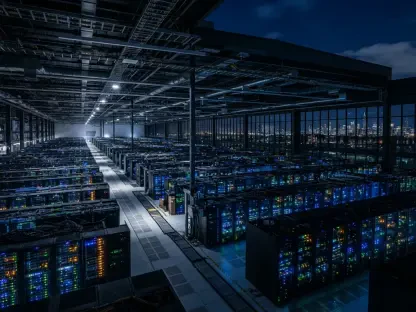

Unincorporated areas of Martin County may soon see a total halt on new data center developments to allow for a thorough impact assessment. This legislative movement follows a unanimous preliminary vote on October 13 by the Board of County Commissioners, signaling a shift in how local leaders view the rapid expansion of the digital economy. The proposed 365-day moratorium is specifically designed to pause applications for massive facilities that require a peak electrical load of 50 megawatts or more, a threshold that mirrors Florida’s existing legal definitions for power-intensive projects. By implementing this temporary freeze, officials aim to safeguard the county’s long-term utility capacity and environmental health. This is not merely a delay but a tactical pause meant to prevent the local infrastructure from being overwhelmed before adequate safeguards are established. Commissioner Edward Campi emphasizes that the physical resources of the community remain the top priority now.
Infrastructure
Energy Grid
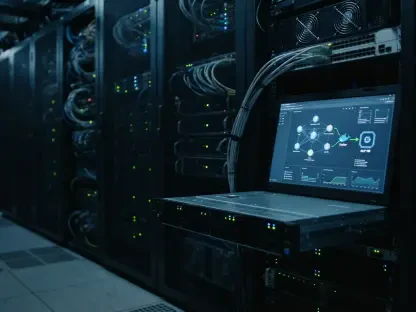
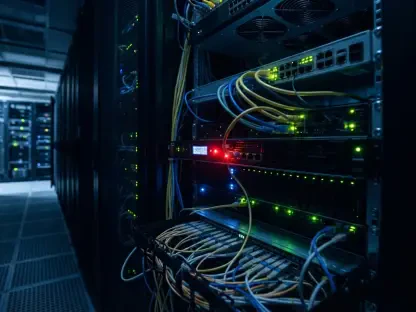
High-density data centers utilize an extraordinary amount of electricity, often exceeding the consumption of several thousand residential homes combined. In 2026, the proliferation of generative artificial intelligence and high-performance computing has pushed these facilities to operate with unprecedented power densities. The 50-megawatt threshold identified by the county serves as a critical indicator of when a project shifts from a standard commercial building to a heavy industrial burden. Local energy grids must be robust enough to handle these constant, high-voltage draws without risking brownouts or forcing expensive upgrades onto existing taxpayers. Beyond the immediate power draw, the constant heat generated by server racks necessitates sophisticated cooling systems that run around the clock. If these projects are permitted without a rigorous evaluation of the regional grid’s capacity, the resulting strain could force the county into a reactive mode, harming residents.
Water Use
Parallel to energy concerns is the significant volume of water required for evaporative cooling towers, which can consume millions of gallons daily. Martin County officials are particularly wary of how this demand might affect local aquifers and the delicate balance of the regional water table. Furthermore, the disposal of industrial wastewater and the potential for noise pollution from massive cooling fans present additional challenges for residential neighborhoods located near these unincorporated zones. The moratorium provides a window to consult with hydrological experts and utility planners to develop a comprehensive roadmap for water conservation. Without such a framework, the rapid influx of high-consumption facilities could lead to a permanent depletion of vital natural resources. The county intends to use this time to establish specific mitigation strategies, such as requiring recycled water usage or advanced liquid cooling technologies that reduce the environmental footprint today.
Governance
Zoning Law
The scope of the current proposal is limited to unincorporated areas, ensuring that the county government maintains control over the land most vulnerable to rapid industrialization. During recent discussions, Commissioner Sarah Heard raised the possibility of lowering the power threshold to 20 megawatts to include a wider range of facilities that might otherwise bypass the stricter regulations. This debate highlights the evolving nature of digital infrastructure, where even mid-sized centers can exert significant pressure on local resources. The final hearing scheduled for October 27 will determine if the moratorium becomes official policy, potentially setting a precedent for other Florida counties facing similar pressures. It is important to note that the measure will not retroactively affect applications that were deemed complete before the implementation date, protecting existing business investments. This legal distinction ensures the county remains a fair partner to the tech sector.
Future Plan
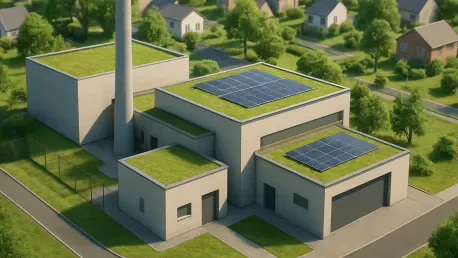
Ultimately, the decision to pursue a temporary freeze reflected a proactive stance toward sustainable development and resource preservation. The Board of County Commissioners successfully identified the potential for long-term utility shortages and moved to prevent them through careful study. Leaders recommended that future zoning laws incorporate specific sustainability benchmarks, such as mandatory renewable energy offsets and strict noise mitigation protocols. This period of reflection allowed experts to propose a tiered permitting system that incentivized smaller, more efficient operations while placing higher burdens on massive installations. By the conclusion of the review, the county established a clearer pathway for industrial growth that protected the residential character of the region. Stakeholders realized that the long-term viability of the digital economy depended on its ability to coexist with local environmental constraints. These actions provided a stable framework for future projects.