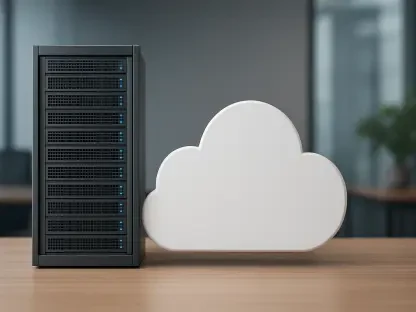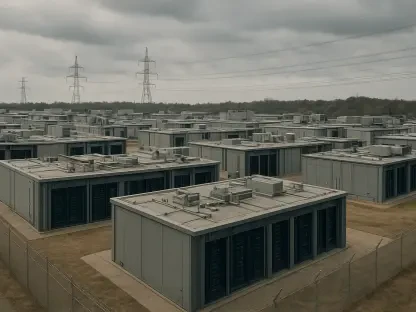

The integration of 3M’s material science into Microsoft’s cloud environment aims to drastically reduce the time required for large-scale network deployments. This collaboration emerges at a critical juncture where the physical limitations of hardware often dictate the pace of digital transformation across the global economy. While software algorithms continue to evolve at a breakneck speed, the physical infrastructure supporting these models requires sophisticated engineering to manage heat, energy consumption, and signal integrity. By combining Microsoft’s expansive Azure cloud platform with 3M’s century-long expertise in advanced materials, the two entities are addressing the logistical bottlenecks that have historically hampered the rapid expansion of hyper-scale data centers. This strategic alignment focuses on creating a more resilient and efficient backbone for generative AI services, ensuring that the necessary hardware can be installed and optimized in weeks rather than months, effectively bridging the gap between digital vision and physical reality.
Strategic Synergy in Cloud Evolution
Optimizing Physical Layers for Performance
The partnership prioritizes the development of specialized optical fibers and connectors that leverage 3M’s proprietary adhesive and coating technologies to minimize signal degradation over long distances. As Microsoft expands its regional data center footprint from 2026 to 2028, maintaining high-fidelity data transmission becomes increasingly difficult due to the sheer volume of traffic generated by large language models. To combat this, the integration of 3M’s expanded beam optical interconnects allows for more reliable connections that are less sensitive to dust and environmental contaminants, which are common challenges during the rapid construction of new facilities.
These advancements ensure that the underlying physical layer can support the multi-terabit speeds required for modern AI training clusters. By streamlining the installation process with pre-engineered components, technicians can achieve more consistent results across diverse geographic locations. This approach naturally leads to a reduction in on-site troubleshooting, as the materials are designed to perform under extreme conditions. Building on this foundation, the collaboration also addresses the secondary challenges of environmental durability and hardware longevity in varied climates, ensuring that the cloud remains operational regardless of local geography.
Sustainable Infrastructure and Cooling Efficiency
Managing the immense heat generated by high-density AI chips remains a primary concern for cloud providers seeking to improve their power usage effectiveness ratios. Through this collaboration, Microsoft is testing 3M’s latest generation of two-phase immersion cooling fluids, which offer a significant improvement over traditional air-cooling methods or basic liquid-to-chip systems. These specialized dielectric fluids allow server components to operate at higher clock speeds without the risk of thermal throttling or hardware failure, effectively extending the lifecycle of the expensive GPU clusters used for inference.
This shift in cooling philosophy not only reduces the carbon footprint associated with mechanical fans but also enables the design of more compact data center layouts. By shrinking the physical space required for cooling equipment, Microsoft can maximize the density of compute power within existing building footprints, allowing for more agile responses to regional demand. This approach allows for more agile responses to regional demand while minimizing the need for massive new construction projects. Moreover, the move toward immersion cooling represents a fundamental shift in how hyper-scale environments are architected for sustainability.
Operational Excellence and Deployment Speed
Implementing Advanced Thermal Management Protocols
Stakeholders recognized the necessity of transitioning from traditional air cooling to liquid-based immersion systems to maintain the performance benchmarks required for the next generation of neural networks. This transition involved a comprehensive audit of existing facility designs to determine which sites were most suitable for retrofitting with dielectric fluid tanks and high-efficiency heat exchangers. Industry leaders determined that prioritizing thermal management at the chip level provided the most immediate gains in energy efficiency and computational density for the diverse array of AI applications currently in production.
By adopting these material-science-driven solutions, organizations effectively bypassed the limitations of conventional HVAC systems, which had reached their peak capacity in many urban data centers. The implementation of these advanced protocols allowed for a twenty percent increase in rack density while simultaneously lowering energy costs associated with climate control. These steps ensured that the infrastructure remained viable under the stress of increased AI workloads, providing a template for future expansions. Actionable next steps included the phased rollout of these systems across all Tier-1 sites.
Standardizing Material Specifications for Future Growth
The collaboration successfully established a new framework for material standardization that simplified the procurement process for complex network components across the entire industry. Engineers prioritized the use of low-loss dielectric materials and specialized adhesives that facilitated the rapid repair and upgrade of modular server units without specialized tools. This shift in procurement strategy encouraged a more circular economy within the data center sector, as components were designed for easier disassembly and recycling at the end of their operational life cycles, reducing total waste.
Furthermore, the focus on pre-certified materials allowed legal and compliance teams to expedite the permitting process for new builds in emerging markets through 2026. This comprehensive approach to physical infrastructure demonstrated that material science was just as critical as software logic in the quest for scalable AI. By integrating these specific physical standards, the tech sector moved toward a more sustainable and resilient future where hardware constraints no longer dictated the limits of digital innovation. Future considerations involved the integration of bio-based materials to further reduce impact.