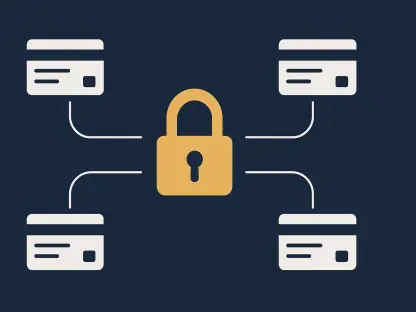

System integration through secure API connectors allows payroll engines to communicate with external finance software without compromising the integrity of core data. In the current business environment, managing sensitive employee information requires a transition from outdated silos to a more unified and fortified digital architecture. When payroll details are scattered across unencrypted email threads, personal computers, and local spreadsheets, the threat surface for cyberattacks and internal data manipulation expands significantly. Security leaders emphasize that total visibility is the first line of defense; without a clear view of where every piece of data resides, comprehensive protection becomes an impossible task. Centralizing these assets into a single source of truth does more than just organize records; it creates a controlled environment where every transaction is validated. This architectural shift is essential for enterprises that recognize payroll as their most targeted asset and seek to shield it from modern threats.
The Vulnerability of Fragmented Information Systems
Information sprawl remains a pervasive issue in global payroll management, where sensitive details are often scattered across multiple insecure formats. This fragmentation usually begins when human resources and accounting departments operate on different software versions or use manual workarounds like local spreadsheets to bridge technical gaps. These “dark data” repositories are frequently transmitted via email, making them easy targets for phishing attacks or unauthorized internal access. In contrast to modern consolidated platforms, these older methods lack the centralized oversight required to spot anomalies in real time. Because the data is not synchronized, a change made in an HR database might not reflect in the payroll system for several days, creating opportunities for ghost employees or fraudulent payment diversions. The reliance on personal devices for storing payroll records further complicates the issue, as individual vulnerabilities can lead to massive corporate data breaches and legal liabilities.
Beyond external cybercrime, internal data leaks and administrative errors represent significant hidden costs for organizations stuck in a siloed operational model. When visibility is low, it becomes difficult to enforce consistent security protocols across different regional offices or departments. This lack of transparency allows small discrepancies to grow into major financial liabilities, often going unnoticed until a formal audit occurs. Moving toward a cloud-native platform eliminates these blind spots by providing a unified view of all payroll-related activities across the entire enterprise. These platforms allow administrators to track the lifecycle of every data point, from the initial onboarding of an employee to the final distribution of their paycheck. This level of control is impossible to achieve when information is trapped in silos that do not communicate with one another. Consequently, the shift toward a single source of truth is not just a technical upgrade but a strategic move to mitigate the multifaceted risks of information sprawl.
Advanced Security Measures and Strategic Implementation
Protection of payroll data in a single source of truth model relies on high-level 256-bit encryption and strict adherence to international security standards such as ISO 27001:2022. These protocols ensure that sensitive information remains unreadable to unauthorized parties, whether it is at rest in a database or in transit across a network. Furthermore, modern platforms implement granular governance through role-based access controls, which limit data visibility based on an individual’s specific job requirements. This means an HR manager might view salary histories but cannot edit banking details, while a payroll clerk can process payments but cannot access confidential health records. Automated approval workflows add another layer of security, requiring multiple signatures for any high-value transaction or change to sensitive settings. By enforcing these digital boundaries, organizations can drastically reduce the risk of internal fraud and accidental data modification, ensuring long-term data integrity and system reliability.
Organizations that transitioned to a single source of truth model effectively turned their payroll data from a liability into a secure and productive corporate resource. They implemented cloud-native architectures that replaced fragmented spreadsheets and local silos with a unified, encrypted repository accessible only through strict governance protocols. This move allowed for the integration of automated security updates and real-time auditing, which significantly reduced the incidence of both internal fraud and external cyber threats. Decision-makers evaluated their existing vendor relationships to ensure compliance with the latest international data protection standards, such as ISO 27001:2022. Furthermore, businesses leveraged API-driven integrations to connect their payroll engines with broader financial management suites, ensuring total data visibility and operational consistency. By prioritizing a centralized data strategy, these companies established a scalable foundation that supported growth while maintaining the highest levels of employee trust.