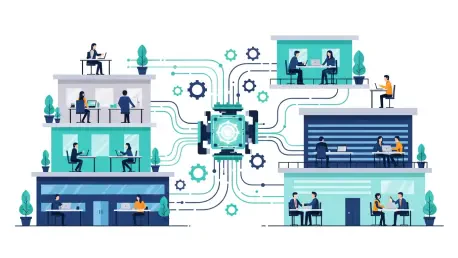

The shift from isolated productivity applications to integrated ecosystem orchestration marks the most significant change in corporate computing since the initial migration to cloud-based infrastructures. For many years, IT departments and business leaders selected their software suites based on a rigid checklist of features, such as the ability to generate a specific report or the presence of a particular native integration. However, as organizations have grown more complex and the volume of data has exploded, these isolated tools have become bottlenecks rather than accelerators. The current era of enterprise SaaS is defined by the rise of workflow engines, which are sophisticated platforms designed to go beyond mere data storage to actively manage the movement of work across the entire company. This transition focuses on ensuring that information does not just sit in a silo but flows to the correct individual at the precise moment it is required to drive a decision or an action. By prioritizing these dynamic operational hubs, businesses are finding they can achieve a level of agility that was previously impossible when their logic was scattered across a dozen disparate and disconnected applications.
Redefining Business Logic Through Workflow Gravity
The Evolution From Isolated Tools to Central Hubs
The concept of workflow gravity explains why successful software platforms naturally expand from single-purpose tools into comprehensive hubs that manage broad organizational logic. A platform that begins as a simple way to track sales prospects eventually finds itself managing contract approvals, legal reviews, and financial provisioning because the sales process does not exist in a vacuum. As these tasks scale, the gravity of the core data pulls in adjacent processes, requiring the software to handle multiple layers of permissions and triggers. This evolution reflects a growing realization that the true value of enterprise software lies in the underlying architecture that connects various stages of a business lifecycle rather than in the individual features of a standalone application. When a system can orchestrate these complex interactions, it becomes a central nervous system for the company, ensuring that every department stays aligned as a project moves from inception to completion.
Moving toward a hub-centric model requires a shift in how leaders perceive the plumbing of their digital infrastructure. Instead of looking at software as a passive repository for information, modern enterprises are treating these engines as active participants in the business strategy. This approach allows for a more cohesive application of business logic, where rules are not just documented in a manual but are baked into the very code of the operational environment. By centralizing these processes, organizations can ensure that as they grow from 2026 into 2028 and beyond, their systems remain scalable and capable of handling increasingly intricate cross-functional demands. This structural shift ensures that the software is no longer a collection of features but a robust engine capable of sustaining the massive operational weight of a global enterprise. It allows teams to spend less time navigating between different interfaces and more time focusing on high-level strategic goals that drive revenue and innovation.
Distinguishing Static Features From Dynamic Workflows
Understanding the distinction between a software feature and a comprehensive workflow is critical for any organization looking to modernize its digital stack. A feature is essentially a discrete tool or capability, such as a button that allows a manager to sign off on an expense report or a field that tracks a customer’s phone number. While features are useful, they are inherently static and require human intervention to move the process forward to the next stage. In contrast, a workflow engine represents the invisible logic that governs how these features interact with one another across the entire organization. For example, a true workflow engine does not just provide an approval button; it ensures the request has already been vetted for compliance, checks it against the department budget in real-time, and automatically notifies the payroll system once the manager clicks the button. This level of orchestration transforms a simple task into a seamless, automated process that reduces the risk of human error and significantly accelerates the speed of operations.
Modern SaaS providers have recognized this shift and are now focusing on building engines that are malleable enough to adapt to the unique internal structure of a specific company. In the past, many enterprise platforms were notoriously rigid, forcing businesses to change their internal policies to fit the software’s predefined limitations. Today, the leading platforms are designed to mirror the actual DNA of an organization, allowing for customized hierarchies and specific policy requirements to be built directly into the workflow. This adaptability is what allows a business to maintain its competitive advantage, as the software supports its unique way of working rather than imposing a generic model. By utilizing flexible workflow engines, companies can create a more responsive environment where the software evolves alongside the business, ensuring that the technology always serves the strategy rather than the other way around. This relationship between the platform and the organizational structure is what ultimately defines the success of a digital transformation effort.
The Architecture of Invisible Efficiency
Managing Complexity Behind the Scenes
The hallmark of a truly advanced enterprise platform is its ability to perform highly complex operations in a way that remains entirely invisible to the end user. Consider the intricate process of onboarding a new executive, which involves coordinating between HR, IT, security, and legal departments simultaneously. To the new hire, the experience should be simple and welcoming, but behind the scenes, a workflow engine is busy provisioning software accounts, ordering hardware, scheduling orientation sessions, and ensuring all security clearances are verified. By automating these interconnected background tasks, the software removes the burden of administrative coordination from human employees, allowing them to focus on the human elements of the onboarding process. This invisible efficiency is what separates modern workflow engines from older generations of software that required manual input at every stage. The goal is to create a symphony of background actions that execute flawlessly without the user ever needing to understand the underlying complexity.
As these background processes become more sophisticated, the role of the employee shifts from being a manual coordinator to becoming a strategic director. Software that manages complexity effectively ensures that the most tedious parts of a project are handled automatically, which in turn leads to a significant increase in overall productivity. When the system takes care of the logistics, such as routing documents for signature or updating databases across different time zones, it frees up mental bandwidth for the workforce to engage in creative problem-solving and long-term planning. This shift is not just about efficiency; it is about redefining the relationship between humans and the technology they use. By making the complex simple, workflow engines empower employees to be more effective in their primary roles, leading to higher job satisfaction and better business outcomes. The most successful organizations are those that leverage this invisible architecture to create a workplace where technology is an enabler rather than a source of constant frustration.
Reducing Friction and Low-Value Work
One of the primary drivers for the adoption of workflow engines is the need to eliminate the operational friction that frequently slows down large-scale enterprises. Friction in a business context refers to the accumulation of small, repetitive tasks that do not directly contribute to the bottom line but are necessary for the organization to function. This includes things like chasing down managers for approvals, manually transferring data between different spreadsheets, or searching through email threads for the latest version of a document. These low-value activities consume a disproportionate amount of time and often lead to employee burnout and missed deadlines. By implementing a robust workflow engine, these interactions can be automated, ensuring that the system enforces policy and tracks progress without requiring constant human oversight. This reduction in friction allows the organization to operate at a higher velocity, as roadblocks are identified and resolved by the software before they can derail a project or frustrate a team.
Furthermore, automating these low-value interactions creates a more consistent governance structure across the entire company. When policies are enforced by a workflow engine rather than relying on the memory of individual employees, the risk of non-compliance is drastically reduced. This systematic approach ensures that every action taken is documented and follows established guidelines, providing a clear audit trail and increasing the overall security of organizational data. Beyond compliance, the removal of bureaucratic hurdles significantly improves the daily experience of the workforce. Employees who no longer have to fight against rigid systems or perform tedious data entry tasks are more likely to stay engaged and motivated throughout the year. This shift toward a more streamlined, automated environment is a key factor in attracting and retaining top talent in a competitive market. By focusing on the elimination of friction, businesses are not only improving their operational efficiency but also building a more resilient and positive corporate culture.
Strategic Shifts Toward Operational Maturity
The evaluation of enterprise software trends between 2026 and 2028 revealed that the transition to workflow-centric models was no longer a luxury but a requirement for survival. Organizations that prioritized the implementation of flexible, logic-driven engines found that they were able to bridge the gaps between siloed departments far more effectively than those relying on legacy systems. These companies successfully reduced their cognitive load by automating the mundane, allowing their teams to pivot quickly in response to shifting market demands. The data indicated that the highest returns on investment came from platforms that simplified collaboration and removed invisible barriers to productivity. Moving forward, the most effective strategy for any enterprise involved a deep audit of existing processes to identify where human intervention was redundant and where software logic could provide a more reliable foundation. By embracing these architectural changes, business leaders secured a more agile future, ensuring that their technological stacks remained as dynamic and adaptable as the global markets they served.