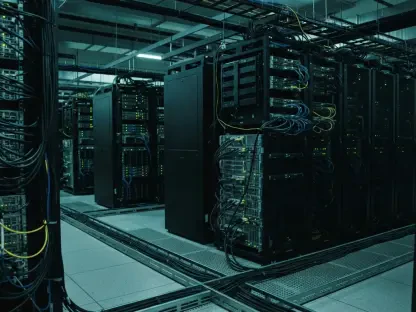

Australia’s strategy to leverage its vast geography for AI processing is currently being tested by the rigorous requirements of the Northern Territory Environment Protection Agency. The ambitious project known as Ares, a massive data center development spearheaded by the startup Energy North, recently encountered a significant obstacle that forced the developer to officially withdraw its previously scheduled 2028 first power date. This decision was a direct response to the territory’s environmental regulator suspending the standard seven-week approval timeline, which effectively halted progress on what was supposed to be a cornerstone of the nation’s digital infrastructure. The pause highlights a growing friction between the global imperative to establish high-capacity machine-learning hubs and the local necessity for stringent oversight. While the promise of economic revitalization remains strong, the logistical reality of building a 1-gigawatt powerhouse on a remote cattle ranch has introduced a level of complexity that existing planning frameworks were not prepared to handle.
Regulatory Deadlocks: Environmental and Social Challenges
The Northern Territory Environment Protection Agency expressed a profound lack of confidence in the current mitigation strategies proposed to protect the surrounding ecosystems from industrial impact. By essentially stopping the clock on the approval process, the regulator signaled that the environmental parameters of Project Ares require a far more exhaustive investigation than the developer initially anticipated. This move has forced Energy North to seek broader policy guidance from the federal government, which is still in the middle of defining national standards for such massive industrial deployments. The scale of the project, which spans nearly 191 square kilometers, places it in a category of land use that traditional environmental laws struggle to categorize accurately. Consequently, the suspension of the timeline reflects a systemic gap where the pace of technological investment outstrips the evolution of governmental policy-making. Without a clear set of modern guidelines, the developer is left in a state of administrative limbo that threatens the long-term viability of the site.
Beyond the technicalities of government permits, the concept of a social license has emerged as a critical barrier for digital infrastructure developers in the Australian Outback. Even in the most sparsely populated regions, large-scale projects like Ares face intense scrutiny from local stakeholders who are concerned about the long-term impact on shared natural resources. The Northern Territory Cattlemen’s Association and other pastoral groups have remained cautious, demanding that industrial expansions do not come at the expense of agricultural sustainability or water security. This environment of heightened awareness means that developers can no longer assume that land availability equates to community acceptance. Securing this social license requires a level of transparency and community engagement that goes far beyond the standard legal requirements. The ongoing dialogue between Energy North and the residents of the territory highlights a shifting landscape where environmental preservation is weighed equally against technological progress and economic growth.
Technical Realities: Powering the Future Artificial Intelligence Economy
The sheer scale of the energy required for Project Ares presents a daunting technical challenge, as the proposed 1-gigawatt demand is massive compared to existing regional infrastructure. When combined with other regional proposals, the total energy needs for these data centers could reach ten times the current peak demand of the entire Northern Territory power grid. While developers plan to bypass the public grid by generating their own power through a combination of solar arrays and gas-fired turbines, the feasibility of producing enough fuel to meet these requirements remains a significant question mark for engineers. The volume of gas required to maintain 24/7 operations for high-intensity machine-learning workloads far exceeds the current production capabilities of the primary regional sites. This gap between theoretical potential and physical infrastructure demonstrates that the path to becoming a global data hub requires more than just natural resources; it demands a complete transformation of the local energy supply chain to ensure reliable generation.
The strategic challenges observed during the regulatory assessment of Project Ares provided a clear roadmap for the future of large-scale digital infrastructure in Australia. It was determined that the path to becoming a global AI hub required a modernized planning framework that effectively integrated environmental stewardship with energy security. Industry leaders and government officials shifted their focus toward developing decentralized power solutions that reduced the strain on existing regional grids while maintaining high reliability for data processing. This approach ensured that future industrial campuses could coexist with pastoral and Indigenous interests without depleting essential local resources. By adopting a more collaborative and transparent development model, the sector established a sustainable precedent for high-tech industrialization. The lessons learned from this period of regulatory friction became the foundation for a more resilient digital economy that prioritized long-term ecological balance over rapid expansion, ultimately strengthening the nation’s position.