
The rapid transition from centralized on-premises servers to a highly distributed ecosystem of cloud-integrated classroom tools has fundamentally reshaped the data protection obligations of modern K-12 school districts. Historically, educational institutions functioned within a clearly defined physical perimeter where local IT departments held direct control over every byte of student information. This traditional model has effectively dissolved as districts integrate dozens of Software as a Service platforms, mobile devices, and third-party integrations to facilitate modern learning. While this digital evolution fosters significant pedagogical innovation and collaboration, it simultaneously fragments digital identities and complicates the chain of accountability. School leaders now face the daunting task of managing vast quantities of sensitive data that move fluidly between various networks and vendors. Balancing the need for technological agility with the strict requirements of data privacy laws requires a shift from reactive troubleshooting to a proactive, architecture-based strategy that addresses the complexities of a borderless digital environment.
The Challenge: Protecting Data in a Borderless Environment
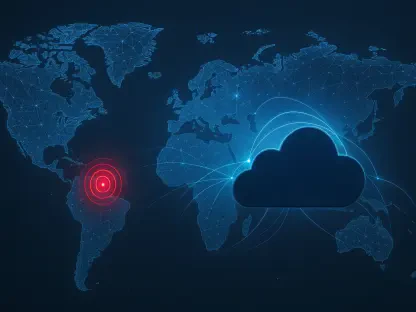
Modern school districts are currently navigating a profound tension between legacy privacy regulations and the operational realities of contemporary cloud computing. Statutes such as the Family Educational Rights and Privacy Act and the Health Insurance Portability and Accountability Act were established when data control was synonymous with physical custody of hardware. In the current landscape, student information is no longer static; it flows continuously across various cloud vendors and educational applications, often bypassing traditional security checkpoints. This creates a visibility gap where administrators struggle to track the movement and storage of personally identifiable information. Without a comprehensive view of how data travels through the digital ecosystem, maintaining consistent data classification becomes nearly impossible. The lack of transparency regarding third-party data handling practices further complicates the situation, as districts remain legally responsible for information that may reside on servers they do not own or manage directly.
Establishing a verifiable state of compliance in such an environment requires more than just updated software; it demands a total reimagining of the institutional security perimeter. When student records are accessed from home networks, public libraries, or mobile hotspots, the traditional firewall becomes insufficient for preventing unauthorized exposure. Many districts find that their current infrastructure lacks the granular control needed to enforce strict access policies across diverse platforms. This results in a compliance vacuum where sensitive information might be stored in insecure cloud buckets or shared through unencrypted channels without the knowledge of the central IT office. To bridge this gap, educational institutions must seek a model that provides centralized oversight while allowing for the decentralized nature of modern learning. The goal is to create a digital environment where every data transaction is documented and every access request is authenticated, ensuring that the district can demonstrate regulatory adherence at any given moment.
Hybrid Cloud: A Policy-Driven Architecture for Schools
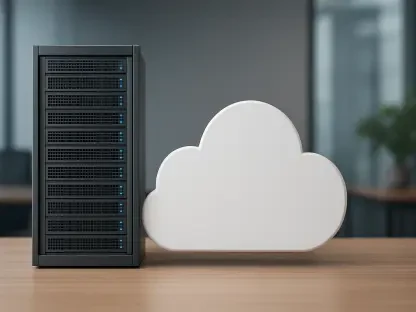
Adopting a hybrid cloud model allows K-12 institutions to move beyond simple storage solutions toward a comprehensive, policy-driven architecture that prioritizes data security. By bifurcating their infrastructure, IT leaders can exercise maximum control over the most sensitive information while still leveraging the public cloud for its scalability and collaborative power. This approach enables districts to host critical assets, such as student disciplinary records and health files, within a private cloud or on-premises environment. Meanwhile, less sensitive resources like general learning management systems and public-facing informational sites can thrive in the public cloud. This intentional division ensures that the most vulnerable data remains behind institutional security layers, shielded from the broader vulnerabilities often associated with multi-tenant public environments. The hybrid model effectively creates a tiered security strategy that aligns technical resources with the specific legal sensitivity of different data categories.
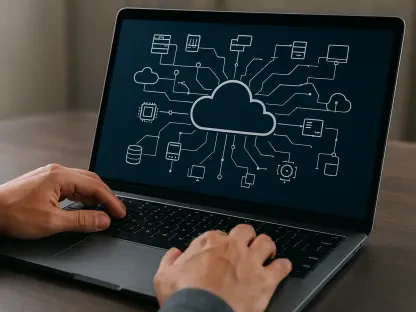
The transition to a hybrid architecture also facilitates the implementation of zero-trust access controls, ensuring that security protocols follow the data regardless of its physical or digital location. In this framework, the cloud is no longer viewed as a remote destination but as a set of rules and policies that govern information flow across the entire network. Consistent security policies can be applied across all environments, allowing IT teams to segment traffic and restrict access based on user roles and specific needs. This level of granularity is essential for meeting the strict audit requirements of modern privacy laws, as it provides a clear trail of who accessed what information and when. Furthermore, the hybrid approach allows districts to maintain disaster recovery and business continuity plans that are both resilient and compliant. By keeping authoritative identity directories and legal documentation in a controlled private space, schools can ensure that their most vital administrative functions remain operational and secure even during broader service outages.
Eliminating Blind Spots: Addressing Shadow IT and Visibility Gaps
A primary obstacle to achieving full regulatory compliance in school districts is the widespread phenomenon of shadow IT, where departments or individual educators adopt digital tools without formal oversight. This decentralized adoption often leads to a sprawl of unsanctioned applications that handle student data without any vetting for security or privacy standards. Every unmanaged app represents a potential compliance breach, as these platforms may collect more information than necessary or share data with unauthorized third parties. Effective governance in a hybrid cloud environment necessitates a comprehensive audit of all communication and collaboration platforms used within the district. By identifying every digital tool in use, from niche learning apps to specialized project management software, IT leaders can begin to close the visibility gaps that threaten institutional integrity. This process ensures that all active platforms are integrated into the central governance strategy and subject to the same rigorous security standards.
Beyond the initial identification of these tools, districts must establish a governance stack that supports real-time investigation and e-discovery capabilities. Traditional data processing methods that rely on batch processing often create significant delays, sometimes taking days to index or retrieve specific records. In a compliance-heavy environment where districts may receive urgent student records requests or legal holds, such delays are unacceptable and can lead to legal complications. A modern hybrid governance model prioritizes immediate visibility into data streams, allowing administrators to monitor for policy violations as they occur. This proactive stance is crucial for maintaining accountability across email, chat services, and video conferencing tools. When a district can quickly identify and remediate a privacy leak or a policy infraction, it demonstrates a level of administrative control that aligns with the highest standards of regulatory expectations. Establishing this level of oversight is vital for protecting student privacy and institutional reputation.
Strategic Data Allocation: Maintaining Control Through Segmentation
A successful hybrid cloud strategy depends on the logical and strategic allocation of data sets based on their specific sensitivity and operational requirements. This involves a rigorous classification process where data is categorized by its legal and ethical implications before being assigned a storage location. Critical personally identifiable information, such as social security numbers, residential addresses, and psychological evaluations, should ideally remain on-premises or within a highly restricted private cloud. This ensures that the district maintains absolute control over the physical and digital access points to its most sensitive assets. In contrast, public-facing information, generalized curriculum materials, and non-sensitive collaborative documents are better suited for the public cloud. This method allows the district to take full advantage of the cost-efficiency and global accessibility of public providers without exposing the students’ most private information to unnecessary external risks.
In addition to physical segmentation, districts can utilize advanced techniques such as data abstraction and tokenization to further enhance security within their hybrid environments. By creating anonymized versions of student data for use in cloud-based analytics, administrators can gain valuable insights into educational outcomes without ever moving raw, sensitive files into the public domain. This approach allows for the use of sophisticated artificial intelligence and machine learning tools to improve student performance while remaining firmly within the bounds of privacy laws. The goal is to ensure that the core student identity remains protected in a secure repository, while a functional but non-identifiable version of that data powers the modern learning ecosystem. This strategic division of labor between private and public resources provides a sustainable path for innovation. It allows districts to embrace the future of educational technology while fulfilling their ethical and legal duty to protect the children and families they serve.
The Path Forward: Unified Governance and Native Integration
To ensure that a hybrid cloud model remains effective over the long term, school districts must implement a unified governance layer that provides consistent oversight across all infrastructure components. This centralized management interface allows IT teams to apply retention policies and security protocols uniformly, regardless of whether a teacher is using a public cloud application or an internal database. A key technical component of this strategy is the use of native Application Programming Interface integrations, which facilitate real-time data capture and metadata preservation. Unlike complex middleware solutions that can introduce lag and data loss, native APIs allow for the seamless flow of information between different platforms while maintaining a complete audit trail. This level of technical integration is essential for responding to legal holds and student records requests with accuracy and speed, ensuring that the district remains compliant even as the volume of digital communication continues to grow.
The implementation of these strategies historically required a significant shift in how educational leaders approached the intersection of technology and student privacy. Districts that prioritized the creation of a comprehensive data map and the deployment of a unified governance layer found themselves better prepared for the evolving landscape of 2026. These institutions moved away from fragmented, ad-hoc security measures and instead embraced a holistic architecture that balanced administrative control with pedagogical flexibility. By treating compliance as a foundational element of their digital infrastructure rather than an afterthought, they successfully mitigated the risks of shadow IT and data leaks. Future considerations for school boards and IT directors should focus on the continuous evaluation of their hybrid environments and the regular auditing of third-party vendors. The transition to this model proved that when technical rigor is combined with clear policy goals, K-12 districts can provide a safe and innovative digital world for all students while remaining fully compliant.