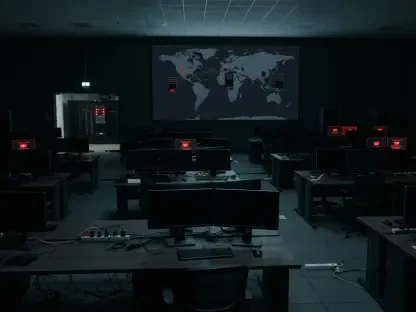

The sprawling, high-ceilinged offices that once buzzed with the frantic typing of hundreds of developers are now transitioning into quiet, hyper-focused hubs where human intuition meets the relentless speed of artificial intelligence. This transformation signifies a departure from the traditional massive development floors that defined the last decade of the tech industry. As automation integrates into the core of the development lifecycle, the physical and organizational footprint of engineering is undergoing a radical contraction.
This shift toward miniaturization is not a byproduct of industry contraction but a deliberate strategic evolution. The importance of this transition lies in the newfound ability of small, highly specialized units to outperform the massive departments of the past. Organizations that successfully adapt to this “atomic” model are finding that they can innovate with a level of agility that was previously impossible under the weight of traditional corporate hierarchies.
The Rapid Shrinkage of the Modern Software Department
By 2029, the landscape of major technology hubs will likely appear remarkably transformed, with many development floors housing significantly fewer personnel despite a massive increase in total output. Recent forecasts from Gartner suggest that 60% of enterprises will scale back the size of their engineering departments within the next five years. This movement is spearheaded by the rise of hyper-specialized units that utilize sophisticated automation to manage the workload previously requiring dozens of individual contributors.
The transition marks the end of the “two-pizza team” era and the beginning of a period defined by atomic squads. These squads often consist of just two or three people who focus on strategic orchestration rather than the manual labor of writing basic syntax. This contraction is a sign of professional maturity within the industry, where the value of a team is measured by its creative impact and problem-solving capability rather than its sheer headcount.
Navigating the 2029 Forecast for Enterprise Engineering
The momentum driving smaller squads stems from a fundamental change in how software is conceptualized and constructed. Historically, the only reliable way to increase production was to hire more engineers, which often led to organizational bloat and significant communication overhead. This overhead frequently resulted in diminishing returns, as more time was spent in meetings and coordination than in actual development.
Today, the rapid sophistication of AI-powered development tools is automating the routine tasks that once consumed most of a programmer’s workday. Businesses are now under immense pressure to innovate faster, leading them to abandon the “hands on keyboards” approach in favor of lean, agile structures. These new workflows prioritize high velocity and the reduction of bureaucratic friction, allowing for a more responsive and adaptive engineering environment.
The Anatomy of a Hyper-Efficient Atomic Team
The tiny team model completely redefines the composition of a development squad to maximize the synergy between human creativity and automated efficiency. These units typically involve five or fewer members, including roles that were previously considered peripheral or non-existent. Key among these is the Agent Experience (AX) designer, a professional who manages the complex interactions between artificial intelligence agents and the broader human systems.
At the core of these structures is the AI-native engineer, a specialist who focuses on designing the prompts and systemic architectures that enable automation to build the final product. This interdisciplinary approach ensures that every member is aligned with high-level business objectives. By removing the need for repetitive technical maintenance, the team can dedicate its energy to solving unique architectural challenges and enhancing the overall user experience.
Expert Evidence on the Rise of the AI Orchestrator
Industry leaders, including AWS CTO Werner Vogels and Gartner analyst Aliyah Camach, have indicated that the era of the “code monkey” is effectively over. Their research suggests that software engineering is evolving into a discipline of orchestration, where humans act as the directors of automated systems. This evolution is not merely about cutting costs; it is about achieving massive “velocity gains” that allow a company to manage a much larger portfolio of projects simultaneously.
By deploying a higher volume of small, autonomous teams, organizations can maintain strategic oversight while increasing their total innovation output. Expert analysis highlights that these lean units are better equipped to handle the complexities of modern software because they lack the communication barriers found in larger departments. Consequently, the focus has shifted from the quantity of code produced to the strategic quality and security of the systems being orchestrated.
Strategies for Sustaining Talent in a Lean Environment
Transitioning to a tiny team structure requires a deliberate framework to ensure long-term sustainability and the retention of top-tier talent. Organizations are increasingly implementing apprenticeship-style models to integrate junior engineers into these lean units, ensuring that the next generation learns to work alongside automation from the start. This approach prevents the erosion of the talent pipeline while maintaining the efficiency of the small team model.
Leaders are also focusing on removing systemic friction points, such as excessive approval layers and complex cross-departmental handoffs. Empowering tiny teams with full accountability for their products allows them to iterate faster and feel a deeper sense of ownership. Clear communication remains the most vital tool for leadership to reassure the workforce that these changes represent a professional evolution rather than a threat to their roles.
Strategic decision-makers recognized that the path forward required a fundamental shift in how they evaluated human contribution. They moved away from tracking individual output and instead focused on the collective impact of these atomic units. By investing in upskilling programs that emphasized system design over manual coding, organizations successfully bridge the gap between legacy practices and the future of orchestration. This transition ultimately proved that the most valuable engineering asset was the ability to direct complex technologies toward meaningful human outcomes.