
A single hour of unplanned downtime in a modern data center can result in financial losses exceeding hundreds of thousands of dollars, making infrastructure reliability a top priority. As the global economy becomes increasingly tethered to the seamless operation of digital services, the tolerance for system failures has effectively vanished. In this high-stakes environment, data centers are no longer viewed as mere shells for servers but as highly sophisticated ecosystems where every physical component, from the structural steel to the coating on a busbar, must perform with absolute precision. The massive expansion of artificial intelligence workloads and high-frequency trading platforms has pushed traditional hardware to its limits, necessitating a rethink of how these facilities are protected from the ground up. Specialized protective coatings have transitioned from being optional aesthetic finishes to becoming mission-critical defensive layers. These advanced materials act as the primary barrier against a multifaceted array of operational threats, including pervasive environmental corrosion, rapid thermal accumulation, and unforeseen fire hazards. By integrating material science directly into the structural engineering phase, operators can ensure that their facilities remain resilient against the escalating demands of high-density computing. This proactive approach to infrastructure protection reflects a broader industry shift where the physical integrity of the building is seen as being just as important as the cyber-security protocols protecting the data within.
Engineering for Extreme Reliability and Efficiency
Thermal Management: The Science of Heat Rejection
The ultimate benchmark for any data center is its uptime, with the current industry standard aiming for a staggering 99.9 percent reliability rate. Achieving this level of performance requires more than just redundant power supplies; it demands a physical environment capable of withstanding both internal heat generation and external environmental stressors. Modern data centers generate an immense amount of heat due to the high energy density required by modern processing units. This thermal load poses a constant threat to hardware longevity and significantly inflates operational costs. Specialized thermal-resistive coatings have emerged as a vital tool for stabilizing internal temperatures, preventing the fluctuations that lead to micro-fractures in sensitive electronics. On the building’s exterior, infrared-reflective finishes redirect solar heat away from the structure before it can penetrate the building envelope. This dual-action thermal strategy is not merely about comfort but about protecting the delicate equilibrium of the cooling system. When heat is managed at the surface level, the mechanical cooling units do not have to work as hard, which directly reduces the risk of mechanical failure and extends the lifecycle of the entire HVAC infrastructure. This sophisticated approach to thermal management ensures that the facility can maintain a consistent operating environment regardless of external climate shifts or peak internal processing loads.
Sustainability has evolved from a corporate social responsibility initiative into a fundamental design requirement for securing local permits and public acceptance. Key metrics such as Power Usage Effectiveness and Water Usage Effectiveness now dictate the selection of building materials in the design phase. Reflective and insulative coatings contribute significantly to these metrics by lowering the energy and water required to manage the facility’s heat rejection systems. For example, a high-reflectivity roof coating can drastically lower the surface temperature of a building, reducing the total energy required for cooling by nearly fifteen percent in warmer climates. This reduction in energy demand translates directly to a lower carbon footprint, which is increasingly prioritized by stakeholders and regulatory bodies. Furthermore, by minimizing the cooling burden, facilities can often utilize smaller or more efficient cooling towers, thereby reducing their overall water consumption. This holistic view of sustainability recognizes that the physical shell of the data center is an active participant in the facility’s efficiency. As local governments tighten regulations regarding energy and water use, the implementation of these advanced coating technologies becomes a strategic necessity rather than an optional upgrade. Operators who prioritize these high-performance materials are better positioned to meet the stringent environmental standards of 2026 and beyond, ensuring long-term operational viability in an increasingly resource-constrained world.
Procurement Evolution: The Single-Source Advantage
The rapid growth of cloud services has forced developers to accelerate construction timelines to meet the insatiable demand for processing capacity. This haste often creates significant friction in the procurement of structural steel, enclosure systems, and critical electrical infrastructure. In many cases, project managers find themselves juggling multiple vendors for different parts of the building envelope, leading to potential inconsistencies in material performance and aesthetic finish. To combat these challenges, the industry is shifting toward more streamlined supply chain strategies that prioritize reliability and speed. A “single-source” procurement strategy has become a recognized best practice, where a single manufacturer provides all coating systems for the various substrates of the facility. This approach guarantees that every layer, from the primer on the structural beams to the topcoat on the exterior cladding, is chemically compatible and designed to work together as a unified system. By removing the guesswork associated with mixing products from different manufacturers, developers can avoid the long-term performance failures, such as delamination or premature fading, that often plague complex industrial projects. This shift toward integrated procurement is not just about efficiency; it is about ensuring that the final structure meets the high standards required for a facility that must operate twenty-four hours a day without fail.
Dealing with a single manufacturer for all protective coating needs also simplifies the technical support process and provides a clear path for accountability. In the event of a performance issue or a maintenance requirement, having one point of contact reduces the administrative friction that often delays critical repairs. Furthermore, a single-source provider can offer comprehensive warranties that cover the entire building system, providing long-term peace of mind for the facility owners. This streamlined model is particularly beneficial for global data center operators who are managing multiple construction projects across different geographic regions. It allows for a level of standardization that ensures every facility, regardless of location, meets the same high-quality benchmarks for protection and durability. From a logistical perspective, managing one primary relationship for coating materials helps mitigate the risks of supply chain disruptions that have become more common in the post-pandemic landscape. By partnering with a manufacturer that has a broad portfolio of specialized products, from architectural powders to dielectric coatings, developers can move through the construction phases more quickly and with greater confidence. This strategic alignment between the builder and the material manufacturer ensures that the physical infrastructure is prepared to handle the intense operational demands of the modern digital economy while maintaining a clear and manageable maintenance schedule.
Standards, Safety, and Specialized Applications
Fire Safety: Securing Structural and Data Continuity
To survive in a high-stakes environment, protective coatings must meet rigorous independent standards for fire safety and physical durability. Fire remains one of the most immediate and catastrophic threats to data center continuity, making flammability testing a top priority for facility specifiers. Coatings are evaluated based on their ability to limit flame spread and minimize smoke development, ensuring that interior surfaces do not contribute to the rapid acceleration of a fire event. For instance, testing under standards like the Steiner Tunnel Test allows engineers to understand how a coating will react in a real-world scenario where every second counts. By choosing materials that have achieved the highest ratings for fire resistance, operators can create an environment that provides more time for fire suppression systems to activate and for emergency protocols to be executed. This is not just a matter of regulatory compliance; it is a critical strategy for protecting the physical assets and the irreplaceable data housed within the server racks. High-performance interior coatings are designed to be non-combustible and to prevent the release of toxic fumes, which can be just as damaging to sensitive electronics as the heat itself.
Beyond the surface burning characteristics of the interior finishes, specialized structural coatings must protect the integrity of the building’s skeleton during a major fire event. Standards like UL 263 ensure that steel assemblies maintain their load-bearing strength under intense heat, preventing a structural collapse that could destroy millions of dollars in IT equipment. This level of protection is particularly vital in modern facilities that house massive lithium-ion battery arrays for uninterruptible power supplies or large quantities of fuel for backup generators. These areas are high-risk zones where the potential for a rapid-rise fire is much greater than in a standard commercial building. In these environments, intumescent coatings are often applied to the structural steel to provide a passive fire protection barrier. When exposed to heat, these coatings expand to form a thick, insulative char that shields the steel from the fire, maintaining the building’s structural stability for several hours. This protection is a fundamental requirement for facilities that are designed to withstand extreme conditions and remain operational even in the face of disaster. By investing in these high-performance safety materials, data center operators are building a foundation of resilience that safeguards their long-term investment and ensures the safety of the personnel working within the facility.
Building Envelopes: Coil and Powder Coating Resilience
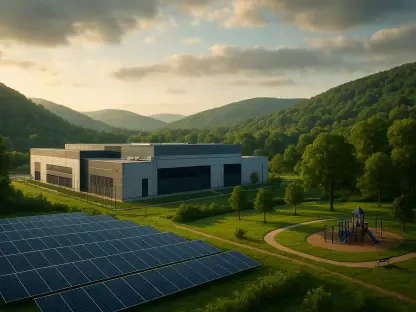
The building envelope acts as the primary shield for the data center, and the choice of coating for these exterior surfaces has a profound impact on long-term durability. High-efficiency coil coatings are frequently utilized for roofing and wall panels because they are applied in a highly automated, controlled process that ensures uniform thickness and exceptional adhesion. These coatings are engineered to withstand decades of exposure to harsh ultraviolet radiation, moisture, and atmospheric pollutants without chalking or fading. One of the most significant advancements in this area is the integration of “cool roof” technology, which utilizes specialized pigments to reflect a high percentage of solar energy. This technology can reduce the surface temperature of a roof by dozens of degrees, which in turn lowers the heat transfer into the building interior. For a data center, where cooling is the largest operational expense, the ability to reflect solar radiation can lead to significant cost savings and a lower Power Usage Effectiveness rating. Furthermore, modern coil coatings are available in a wide range of colors and finishes, allowing architects to design facilities that are visually appealing without sacrificing the high performance required for industrial protection.
For architectural extrusions such as window frames, curtain walls, and door assemblies, powder coatings are the preferred choice due to their thick, resilient barrier properties. These coatings offer superior resistance to mechanical wear, abrasion, and corrosion, making them ideal for the high-traffic areas of a data center. Because powder coatings are applied in a controlled factory setting and then cured in an oven, they provide a level of consistency that is difficult to achieve with field-applied paints. They are also highly sustainable, as the application process typically produces zero volatile organic compounds and allows for the reclamation of overspray, making them a low-impact choice for environmentally conscious projects. These coatings must meet stringent performance standards, such as those set by the Fenestration and Glazing Industry Alliance, which require years of exposure testing in harsh environments like South Florida to ensure they can maintain their structural and aesthetic integrity. By utilizing a combination of high-performance coil and powder coatings, data center developers can create a robust, multi-layered exterior that protects the facility from the elements for the duration of its lifespan. This long-term durability is essential for minimizing maintenance costs and ensuring that the facility continues to project an image of reliability and professional excellence.
Internal Environments: Signal Integrity and Electrostatic Safety
Inside the facility, specialized coatings serve “invisible” but vital roles in protecting power distribution and maintaining data integrity across the network. Dielectric powders are applied to busbars, electrical panels, and switchgear components to provide high-quality insulation and prevent dangerous electrical arcing. In a high-voltage environment like a data center, where thousands of amps are being distributed to power-hungry server racks, the integrity of this insulation is paramount for both safety and reliability. These coatings must be able to withstand high operating temperatures and frequent thermal cycling without cracking or losing their dielectric properties. Additionally, electromagnetic interference shielding coatings are used to protect sensitive server components from external radio-frequency interference. As processing speeds increase and components become more densely packed, the risk of signal corruption from electromagnetic noise grows. By applying conductive coatings to the internal housings of electronic equipment, manufacturers can create a Faraday cage effect that blocks out unwanted interference, ensuring that data signals remain clear and accurate. These specialized materials are a critical part of the internal environmental control strategy that allows high-density computing to function reliably in a crowded digital landscape.
Static electricity represents a silent but significant threat to the delicate micro-circuits within a server room, where even a small discharge can cause permanent hardware damage. To mitigate this risk, anti-static flooring systems are installed to prevent the build-up of electrostatic charges that could be transferred to hardware through human contact. These specialized floor coatings are engineered with conductive properties that safely dissipate static charges to a ground point, creating a controlled environment for the handling of sensitive components. This level of electrostatic protection is a standard requirement for any modern high-density data center, where the cost of replacing a single damaged server blade can run into the thousands of dollars. Furthermore, as the industry transitions toward more advanced uninterruptible power supply systems, thermal-resistive coatings for battery housings have become a major safety priority. These materials help manage the risk of thermal runaway in lithium-ion battery arrays, providing a barrier that helps contain a localized fire and prevents it from spreading to adjacent cells. By protecting the power source and the hardware with these advanced coatings, operators can ensure a constant and reliable flow of electricity and data. This integrated approach to internal protection demonstrates how material science is evolving to meet the specific technical challenges of the 2026 digital infrastructure.
Holistic Design: Integrating Material Science and IT
The data center industry is moving toward a holistic view where construction materials and IT infrastructure are no longer treated as separate silos but as an integrated system. A coating applied to a rooftop is now recognized as a functional component of the cooling strategy, while a coating on a door frame is viewed as part of the facility’s fire-suppression layer. This convergence of disciplines is essential for managing the complexities of hyperscale facilities and the demands of the artificial intelligence era. As the density of computing hardware continues to increase, the physical environment must work harder to provide the stability and safety required for uninterrupted operation. The role of the material specifier has consequently become much more complex, requiring a deep understanding of thermal physics, fire chemistry, and environmental regulations. Successful projects are those that prioritize integrated solutions and partner with suppliers capable of providing a wide range of specialized technologies. These advanced protective layers provide the physical foundation that allows the digital world to function without interruption, safeguarding the facilities that power every aspect of modern life from finance to healthcare.
The analysis of these advanced systems showed that the most effective protective strategies were those that addressed the facility’s needs from the earliest design stages. It was observed that by selecting high-reflectivity coatings and fire-resistant materials during the planning phase, operators avoided the costly retrofits that often occurred when environmental or safety standards were initially ignored. The industry recognized that a proactive approach to coating specification significantly reduced long-term maintenance costs and enhanced the overall lifecycle of the building envelope. Moving forward, stakeholders should prioritize the adoption of single-source procurement models to ensure material compatibility and streamlined accountability across the entire infrastructure project. It is also advisable for facility managers to implement regular inspection protocols for these protective layers, especially in high-risk zones like battery rooms and exterior roofing. By treating these advanced coatings as critical assets rather than secondary finishes, the industry has established a new benchmark for resilience and efficiency. Future developments will likely focus on even more advanced materials, such as self-healing coatings and smart finishes that can provide real-time data on structural health, further solidifying the link between physical materials and digital performance.