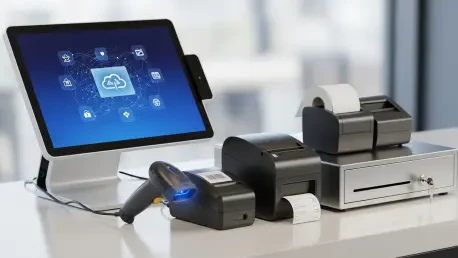

The transition from a traditional, server-based point of sale system to a dynamic cloud environment represents one of the most significant technological shifts for a modern restaurant enterprise in 2026. While NCR Aloha dominated the landscape for decades with its reliable on-premise architecture, the evolving demands of the hospitality industry have finally outpaced the capabilities of legacy hardware. Today, guest expectations for contactless payments, instant loyalty rewards, and seamless third-party delivery integration require a level of agility that older terminals simply cannot provide. Operators are discovering that moving to the cloud is not merely a software license change but a fundamental reconstruction of their physical technology stack. This process demands a proactive approach to prevent service interruptions, as the friction between old-world hardware and new-world cloud protocols can lead to catastrophic failures during high-volume periods. Investing in new infrastructure ensures that software can function as intended without the burden of outdated units.
The Technological Divide: Architecture and Security Standards
Legacy Aloha terminals operate on what is known as a thick client architecture, where the majority of data processing and storage occurs on a local back-of-house server. This localized design was once an advantage for maintaining uptime during internet outages, but it has become a bottleneck in an era where data must flow freely between mobile apps and kitchen display systems. These aging units typically lack the native Wi-Fi authentication layers and the robust processing power necessary to run cloud-native applications efficiently. Unlike modern tablets or sleek all-in-one terminals, older Aloha stations struggle to manage the encrypted communication channels required for real-time cloud synchronization. Consequently, attempting to run modern software on these legacy devices often results in significant latency, making it impossible to provide the rapid checkout experience that customers now expect. Replacing these units is not optional; it is the prerequisite for modern functionality. By adopting current hardware, venues can finally eliminate the lag associated with local server polling.
A comprehensive hardware audit serves as the critical first step in determining which components of the existing technology stack are truly obsolete. Most terminals running older iterations of Windows Embedded must be permanently retired because they cannot support the current security standards required for modern payment processing. While some legacy equipment, such as certain Ethernet-connected receipt printers, might be compatible with new systems, specialized hardware like Kitchen Display Systems often requires a total refresh. Cloud-based POS systems use different communication protocols to send orders to the line, and older screens frequently lack the resolution or touch sensitivity needed for modern kitchen management software. Upgrading these touchpoints ensures that the new system communicates effectively with the culinary team, reducing the risk of lost orders or misread modifiers. Ensuring all hardware is EMV-compliant and NFC-ready is a mandatory move for security. This refresh allows for a unified platform that supports mobile wallets and modern encryption.
Financial Realities: Capital Expenditure and Network Integrity
The financial realities of transitioning to a cloud POS are often more complex than initially anticipated, as capital expenditure usually ranges from fifteen thousand to forty-five thousand dollars per location. These figures fluctuate based on the specific needs of the venue, with full-service restaurants requiring a higher density of terminals and handheld order-takers compared to fast-casual sites. Beyond the raw cost of the devices, operators must budget for a realistic implementation timeline of three to six months. This period is necessary to accommodate procurement cycles, which are still susceptible to supply chain volatility, and to allow for extensive network testing. Rushing this timeline often leads to inadequate training for the staff, resulting in operational chaos during the first week of live service. Strategic budgeting must also account for the decommissioning of the old Aloha server, which involves professional data extraction to ensure all historical records are preserved for the business. This ensures a clean break from old debt while securing historical data.
A robust network backbone is the most frequently overlooked component of a successful cloud migration, yet it remains the single most important factor for operational stability. Because cloud-based systems rely on a constant internet connection to process payments and sync data, a restaurant’s internal Wi-Fi must be powerful enough to handle high traffic without dropping signals. This necessitates the installation of Wi-Fi 6 hardware and the implementation of Virtual Local Area Networks to ensure that critical payment traffic remains isolated from guest Wi-Fi. Without this isolation, guest activity like streaming or social media usage can create bottlenecks that delay transaction processing and increase kitchen latency. Furthermore, high-quality routers and switches are required to manage quality of service rules that prioritize POS traffic over other data streams. Investing in a dual-ISP setup with an automated failover is no longer a luxury; it is a vital safeguard against outages. Such infrastructure upgrades prevent the system from becoming a single point of failure.
Strategic Implementation: Data Management and Operational Continuity
Data migration presents a labor-intensive challenge because historical transaction records from Aloha rarely transfer neatly into a modern cloud ledger. While most vendors provide basic templates for importing menu items and pricing, the actual menu architecture usually needs to be rebuilt from the ground up. This manual reconstruction is necessary to ensure that complex modifiers, pricing tiers, and automated discounts function correctly within the new cloud logic. Operators should use this opportunity to audit their menu performance, removing underperforming items and streamlining the ordering flow for both staff and guests. Additionally, it is critical to export and securely store all legacy data for accounting and tax purposes before the final cutover occurs. Once the old server is unplugged, it no longer serves as the primary source of truth, making digital archiving a mandatory step for long-term compliance. The transition is as much about data hygiene as it is about hardware. Proper preparation here mitigates any future audits or reporting discrepancies.
The successful transition to a cloud-based point of sale system required a holistic view of the restaurant’s technological ecosystem rather than a simple swap of software providers. Leading operators recognized that the investment in new hardware provided a foundation for future innovations, such as integrated inventory management and AI-driven labor scheduling. They prioritized high-level support agreements that offered twenty-four-hour coverage, ensuring that any technical hurdles during busy periods were resolved instantly. By moving away from the physical limitations of legacy on-premise servers, these businesses established a more resilient and data-driven operational model. They also implemented strict security protocols that protected sensitive customer data while streamlining the payment process for increased throughput. Ultimately, the migration process served as a catalyst for professionalizing the entire digital infrastructure of the venue. Those who embraced these upgrades found themselves better positioned to adapt to changing market trends and customer behaviors without the drag of aging equipment.