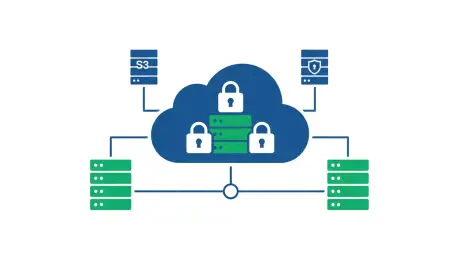

Cybercriminals have evolved their tactics to specifically target backup repositories, ensuring that victims have no choice but to pay hefty ransoms to recover their essential business data. This paradigm shift in digital warfare has forced IT departments and managed service providers to seek out more robust defensive layers that go beyond simple offsite replication or scheduled snapshots. The release of MSP360 Backup 8.6 represents a significant milestone in this ongoing struggle, providing users with sophisticated tools to combat the growing scourge of ransomware and accidental data deletion. By integrating deeper security protocols and expanding the reach of its immutability features, this version ensures that once data is written to the cloud, it remains fundamentally unalterable for a designated period. This architectural choice effectively creates a digital vault that remains impervious to even the most aggressive encryption attempts launched by malicious actors. Such protection is no longer a luxury but a fundamental requirement for business continuity in a landscape where data is the most valuable asset.
Strengthening Data Resilience Through Immutability
Cloud Sovereignty: Universal Compatibility With S3-Compatible Storage
The expansion of Object Lock support across a broader range of S3-compatible storage providers marks a turning point for organizations seeking to diversify their cloud strategy without sacrificing security. Previously, users were often tethered to specific high-cost providers if they wanted to leverage true immutability, but version 8.6 breaks these barriers by integrating seamlessly with cost-effective alternatives such as Wasabi, Backblaze B2, and Akamai Connected Cloud. This development allows managed service providers to tailor their offerings to the specific budgetary constraints of their clients while maintaining a rigid defense against unauthorized data modification. By utilizing the Write Once, Read Many (WORM) model, the software ensures that backup files cannot be deleted, overwritten, or encrypted by ransomware during the retention period. This level of granular control over data persistence is crucial for meeting compliance requirements in regulated industries such as healthcare and finance. Furthermore, the ability to manage these locks through a unified interface simplifies administrative overhead, ensuring that security policies are applied consistently across various storage buckets.
Enterprise Reliability: Seamless Protection for Windows Server Environments
Beyond the enhancements in cloud storage compatibility, the latest update significantly bolsters the backup capabilities for Windows-based infrastructures, which remain the backbone of most enterprise environments. The software provides dedicated support for Windows Server, ensuring that critical workloads, including SQL databases and Exchange servers, are protected with application-consistent snapshots. This is achieved through sophisticated integration with Volume Shadow Copy Service (VSS), which allows for the creation of reliable backups even while applications are actively writing data to the disk. By prioritizing the integrity of local file systems and system states, the update ensures that recovery is not only possible but also rapid in the event of hardware failure or a system-wide breach. Additionally, the software now offers enhanced direct-to-cloud backup options for Windows endpoints, reducing the need for intermediate local storage and simplifying the overall architecture for remote workforces. This streamlined approach minimizes the potential attack surface and ensures that even decentralized data is brought under the umbrella of a centralized security policy.
Streamlining Modern Data Management Operations
Operational Speed: Enhancing Performance With Synthetic Full Backups
One of the most impactful technical innovations introduced in this release is the refined implementation of synthetic full backups, which optimizes both time and network resources during the data protection cycle. Traditional full backups often consume significant bandwidth and storage space, leading to longer backup windows and increased egress costs when moving data to and from the cloud. Synthetic full backups solve this challenge by constructing a new full backup from the existing data already stored in the cloud repository, combined with the most recent incremental changes. This process occurs entirely on the storage side, meaning that only the small incremental changes need to be uploaded from the local environment to the cloud provider. This approach not only accelerates the backup process but also significantly reduces the strain on the local network, making it an ideal solution for businesses with limited bandwidth or those operating in high-volume data environments. Moreover, by reducing the amount of data transferred, companies can achieve substantial cost savings on cloud egress fees and storage consumption over time.
Strategic Deployment: Implementing Advanced Security Frameworks
Transitioning to a more robust security posture required organizations to look beyond the immediate features of the software and consider the broader implications for their operational workflows. The adoption of version 8.6 allowed administrators to move away from reactive recovery models and toward a more proactive, immutable-first architecture that prioritized data integrity above all else. By integrating these new tools into their existing disaster recovery plans, businesses successfully reduced their recovery time objectives and ensured that their digital assets remained safe from the evolving threats of the decade. IT teams focused on configuring specific retention periods that matched their legal and operational requirements, effectively creating a safety net that functioned automatically without constant manual intervention. The emphasis shifted toward verifying the immutability of every backup set, which provided stakeholders with the confidence that their data was not just saved, but truly protected. Furthermore, the centralized management console facilitated a higher level of visibility into the health of the entire backup ecosystem.