
Modern enterprises are rapidly abandoning the restrictive boundaries of local physical hardware in favor of agile, software-defined environments that prioritize immediate data accessibility and seamless cross-border collaboration. This shift represents a fundamental reimagining of how digital assets move within a corporate ecosystem. As organizations navigate the complexities of decentralized workflows in 2026, the demand for centralized control over distributed data has never been higher, leading to a surge in sophisticated hybrid cloud solutions.
Evolution of QNAP Cloud Services and the Move to Enterprise SaaS
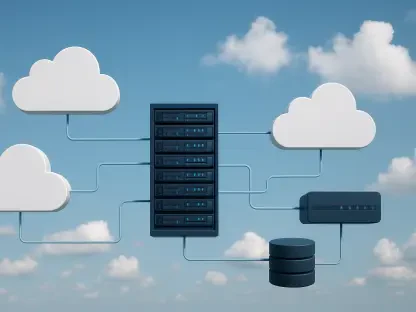
The transition from a hardware-centric Network Attached Storage provider to an enterprise Software-as-a-Service player marks a pivotal moment in the storage industry. Historically, these systems functioned as local silos, but the emergence of hybrid cloud environments has necessitated a more fluid approach where local reliability meets cloud scalability. This evolution addresses the modern need for a “single pane of glass” management style, allowing IT administrators to oversee global data without the friction of traditional server maintenance or on-site hardware dependency.
Technical Architecture and Collaboration Framework
Dual-Space Architecture and Hybrid Integration
A sophisticated dual-space architecture bisects the user experience into private and collaborative zones. Private spaces allow individuals to manage specific tasks in isolation, preventing clutter in collective repositories while maintaining personal autonomy. Shared team spaces act as a centralized hub where permissions are strictly governed, ensuring data consistency and strict organizational hierarchy across the entire global workforce.
High-Capacity Throughput and Productivity Integration
Performance metrics indicate a robust capacity for heavy data loads that modern high-resolution media requires. Supporting file transfers up to 5 TB ensures that massive datasets, like raw video masters or complex architectural models, move without the typical corruption risks of smaller-scale consumer services. Native integration with Microsoft 365 allows real-time editing within the web interface, which reduces version sprawl by eliminating the need for local downloads and manual re-uploads.
Modern Innovations in Cloud Data Management
A standout innovation is the departure from per-user storage caps toward a collective pooling strategy. This “storage-as-a-service” approach allows businesses to purchase capacity in blocks, effectively decoupling terabytes from headcount. Such flexibility is particularly beneficial for data-heavy teams that require vast capacity without maintaining excessive user licenses, offering a cost-effective path toward long-term expansion as the company scales its digital footprint.
Real-World Applications for Distributed Teams
Real-world utility is evident in sectors like media production and global engineering. By using the existing NAS ecosystem as a gateway, companies synchronize multi-site operations so files updated in one city are immediately available in another. This unified environment bridges the gap between local speed and global reach, facilitating a level of synchronization previously reserved for those with massive, custom-built IT budgets.
Security Protocols and Administrative Oversight
Security protocols are designed to combat the rising sophistication of modern cyber threats. The implementation of Write Once, Read Many policies provides a critical defense against ransomware by preventing unauthorized data alteration. Moreover, server-side encryption and detailed activity logging help maintain data integrity and audit compliance across geographic boundaries, effectively fortifying the organization’s digital perimeter against external and internal breaches.
The Future Trajectory of myQNAPcloud Storage
The transition from beta to full release promises specialized features like digital watermarking for intellectual property traceability. Advanced secure link sharing will provide more granular control over external access, ensuring that sensitive assets remain protected even when shared with outside contractors. These developments move the platform beyond simple hosting toward active asset protection and sophisticated governance as businesses seek deeper control over their proprietary information.
Final Assessment: Impact on Modern Business Infrastructure
The move toward a unified cloud platform effectively bridged the gap between physical reliability and virtual flexibility. It demonstrated that modern storage must be as dynamic as the workforces it supports, providing a scalable solution that accommodated rapid shifts in data demands. The fusion of hardware and specialized SaaS ecosystems provided a sustainable infrastructure for ongoing business growth and digital asset security.