
The sheer velocity of global digital transformation has rendered traditional, reactive maintenance models entirely obsolete for the modern data center. As enterprises shift toward 2027 and beyond, the expectation for hardware reliability has evolved from simple uptime to absolute operational continuity. Lenovo has responded to this shift by launching its most sophisticated enterprise support tier, known as Premier Support Plus for Servers. This initiative represents a fundamental departure from the “break-fix” mentality that has characterized the industry for decades. By integrating artificial intelligence, human expertise, and predictive analytics, the service aims to provide mission-critical infrastructure with the resilience required to withstand the high-stakes demands of current business operations. The transition marks a significant milestone in how hardware manufacturers engage with their clients, moving toward an ecosystem defined by “always-on” reliability and proactive intervention.
Elevating Infrastructure Reliability Through Intelligence
AI-Driven Analytics: The Shift to Predictive Maintenance
The core philosophy driving this new service tier is the transition from reactive issue resolution to predictive system care, utilizing advanced monitoring to prevent failure before it manifests. In a conventional IT environment, support is typically triggered by a specific hardware failure, which inevitably leads to unplanned downtime and the risk of significant data loss or corruption. Lenovo’s new model leverages AI-driven monitoring and “Call Home” automation to detect subtle irregularities in system behavior before they escalate into systemic outages. By identifying potential hardware or software anomalies in their infancy, the system can automatically initiate support cases and trigger parts dispatch without requiring any manual intervention from the client’s internal IT staff. This proactive stance is specifically designed to minimize downtime, which remains the most substantial hidden cost in modern enterprise infrastructure management.
Furthermore, the integration of predictive intelligence allows for a more sophisticated approach to lifecycle management within the data center. Rather than waiting for a component to reach its breaking point, the AI algorithms analyze performance trends and environmental factors to forecast the remaining useful life of critical parts like power supplies or storage drives. This foresight enables IT departments to schedule replacements during pre-planned maintenance windows, effectively eliminating the chaos of emergency repairs. The result is a more stable and predictable operational environment where the infrastructure adapts to the needs of the business, rather than the business being forced to react to the failings of its hardware. This level of intelligence transforms the server from a passive asset into an active participant in its own health and longevity.
Technical Capabilities: Rapid Response Frameworks
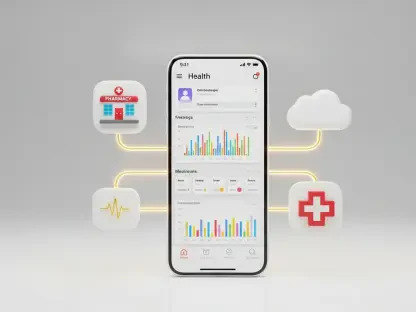
Structured around the specific requirements of the ThinkSystem and ThinkAgile platforms, this service provides a comprehensive support environment that balances automation with human intervention. At the center of this framework is a suite of specialized tools, including detailed wellness dashboards and firmware health checks. These resources empower IT administrators to visualize the real-time status of their entire server fleet through a single interface, ensuring that every node is running on optimized, secure, and up-to-date software versions. By maintaining this high level of “firmware hygiene,” organizations can significantly reduce their attack surface and prevent vulnerabilities that are often exploited in outdated systems. This holistic view is essential for managing the scale and complexity of modern hybrid cloud and edge computing deployments.
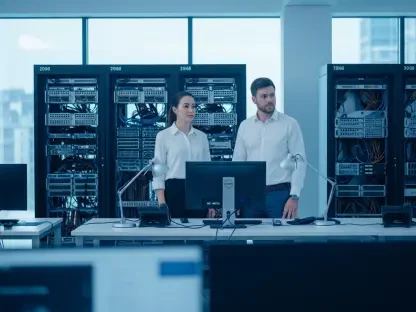
For technical challenges that require immediate human expertise, Lenovo provides 24/7 access to specialized engineers who are trained to handle complex architectural issues. The service framework includes a target objective of a four-hour onsite response for critical hardware failures, ensuring that the gap between problem identification and physical resolution is as narrow as possible. For organizations operating in high-pressure sectors like healthcare, government, or high-frequency trading, there is an optional “Committed Service Repair” add-on. This enhancement provides a guaranteed six-hour onsite repair commitment, offering an extra layer of assurance for environments where every minute of inactivity carries severe financial or operational consequences. This tiered approach allows enterprises to align their support costs with the specific criticality of their various workloads.
Strategic Management and Enterprise Security
Human Accountability: The Role of the Engagement Manager
A distinguishing feature of the Premier Support Plus package is the inclusion of a designated Lenovo Service Engagement Manager (SEM) to provide strategic oversight. While artificial intelligence handles the constant technical monitoring, the SEM provides the necessary human element of accountability and long-term planning. This professional serves as a dedicated single point of contact for the client, managing the initial onboarding process and conducting regular service reviews to discuss system health and support trends. By interpreting the technical data gathered by the AI, the SEM translates complex metrics into actionable business insights. This partnership helps organizations plan for future scaling and infrastructure evolution with a higher degree of confidence, ensuring that their technology investments remain closely aligned with their broader corporate objectives and growth strategies.
The presence of a Service Engagement Manager also facilitates a more personalized support experience that transcends the typical transactional relationship between vendor and client. The SEM becomes intimately familiar with the client’s unique operational environment, including their specific deployment schedules and peak usage periods. This contextual knowledge allows for more effective troubleshooting and faster resolution of recurring issues that might not be caught by standard automated systems. Moreover, the SEM acts as a bridge between the client and Lenovo’s internal product development teams, providing a feedback loop that can influence future hardware and software iterations. This level of professional advocacy ensures that the enterprise’s voice is heard at the highest levels of the manufacturing process, fostering a collaborative atmosphere focused on continuous improvement.
Global Compliance: Data Security and Regional Consistency
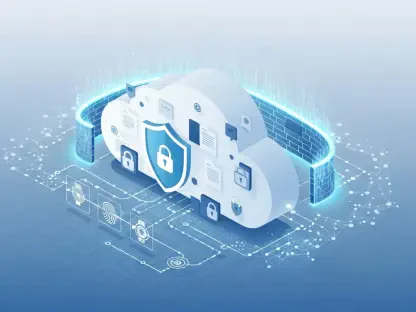
In an era defined by increasingly stringent data privacy regulations like GDPR and CCPA, Lenovo has integrated the “Keep Your Drive” feature into this premium support tier. This capability allows customers to retain possession of failed hardware drives rather than returning them to the manufacturer for replacement. By keeping physical control over the storage media, organizations can maintain absolute authority over sensitive data and ensure they meet internal compliance and security protocols. This is particularly vital for financial institutions and legal firms that handle highly confidential information and cannot risk data leakage during the logistics of hardware return. The inclusion of this feature as a standard part of the premium tier reflects a deep understanding of the modern security landscape and the legal obligations of the contemporary enterprise.
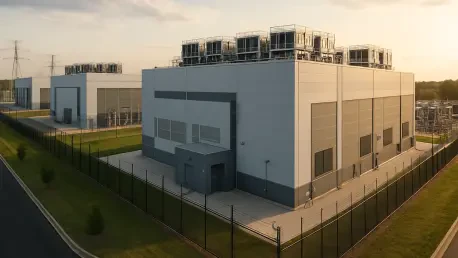
Beyond security, Lenovo’s ability to deliver a uniform level of service across more than 75 international markets provides a unique advantage for global organizations. Large-scale enterprises often struggle with fragmented support experiences where the quality of service varies significantly depending on the geographical location of their data centers. By standardizing the Premier Support Plus framework globally, Lenovo ensures that a multinational corporation receives the same response times, expert access, and proactive monitoring in Singapore as they do in New York or London. This consistency simplifies the management of global IT footprints and allows centralized IT teams to implement standard operating procedures worldwide. Consequently, the burden of monitoring and escalation is shifted to the vendor, liberating internal staff to focus on high-value innovation rather than the administrative weight of global maintenance.
In light of these advancements, organizations should evaluate their current infrastructure support to determine if reactive models still meet their operational risk profiles. The transition to a predictive model like Premier Support Plus for Servers is not merely a technical upgrade; it is a strategic decision to prioritize business continuity and data security. Moving forward, IT leaders should consider conducting a thorough audit of their historical downtime costs and response times to identify where proactive AI-driven monitoring could yield the highest return on investment. As the industry moves toward 2028, the ability to preemptively address hardware issues will likely become a baseline requirement rather than a luxury. Investing in specialized management roles and robust data retention policies now will position enterprises to better navigate the complexities of an increasingly digital and regulated global marketplace.