

The modern enterprise landscape is currently defined by a startling paradox where digital transformation initiatives are accelerating at record speeds while the foundational security required to protect them remains dangerously fragmented. As organizations migrate their mission-critical workloads

The transition from managing general cloud infrastructure to governing highly specialized data ecosystems has created a massive financial blind spot for modern enterprises attempting to scale their artificial intelligence initiatives. While traditional FinOps strategies effectively addressed basic

The landscape of interactive entertainment is undergoing a fundamental shift as the boundaries between static code and dynamic, self-evolving virtual worlds continue to blur under the influence of advanced machine learning. By unveiling the latest phase of its specialized initiative at the GDC
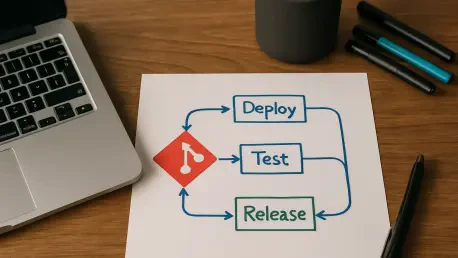
The rapid transition to cloud-native architectures has solidified GitOps as the definitive framework for continuous delivery, yet the visual reassurance of a green synchronization checkmark often masks underlying architectural instabilities. In the current 2026 landscape, tools like ArgoCD have

The global technological landscape is currently navigating a profound transformation as the software development outsourcing market accelerates toward a projected valuation of eight hundred and six billion dollars by 2030. This expansion is not merely a quantitative increase in business volume but

The rapid expansion of Kubernetes as the standard for container orchestration has inadvertently created a massive blind spot in the modern software supply chain regarding how binary assets are managed and distributed. While the industry has mastered the art of declarative deployments and automated