
Using helper methods like grantReadWrite() eliminates the tedious manual creation of IAM policy documents by automatically generating least-privilege permissions scoped to specific resources. In the current cloud landscape of 2026, the AWS Cloud Development Kit (CDK) has matured into the primary
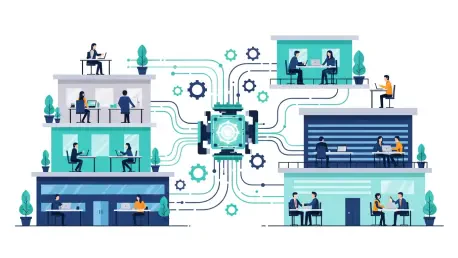
The shift from isolated productivity applications to integrated ecosystem orchestration marks the most significant change in corporate computing since the initial migration to cloud-based infrastructures. For many years, IT departments and business leaders selected their software suites based on a
For more than three decades, the software industry operated under a rigid regime of scarcity where high-quality digital tools were exclusively the domain of massive corporations with deep pockets and specialized engineering departments. This era forced most organizations into a "rent-and-bend"
The global technology landscape is currently witnessing a fundamental transformation as enterprise cloud computing pivots from simply hosting massive language models to providing the foundational architecture required for fully autonomous AI agents. During the 2026 World Artificial Intelligence

The era of navigating complex dropdown menus and manually entering data into sprawling cloud spreadsheets is rapidly coming to an end as autonomous AI agents begin to take the wheel. Software-as-a-Service, once the undisputed king of corporate efficiency, now faces an existential challenge from
The traditional professional cleaning sector functioned as a fragmented and low-margin industry where profitability depended almost entirely on the physical endurance of laborers and the manual oversight of managers. This old-fashioned framework is rapidly disintegrating as Artificial Intelligence