
Distinguishing between foundation model training and retrieval-augmented generation is essential for selecting the most cost-effective cloud environment. The landscape of global computing is undergoing a fundamental transformation, signaled most poignantly by the massive $10 billion infrastructure

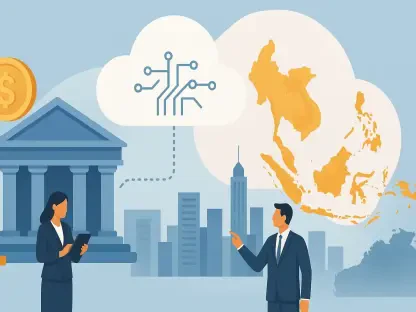
By 2026, the industry standard for banking technology will center on a diversified ecosystem spanning public cloud, private cloud, on-premises centers, and edge computing. This shift reflects a broader movement within the financial services sector toward a model of controlled modernization, where

Moving massive datasets into third-party cloud environments presents significant security risks that many organizations are no longer willing to accept for their AI workloads. This shift in sentiment has pushed the industry toward more localized and sovereign solutions, where control over

Developing autonomous agentic AI systems requires more than simple data rows; these systems must understand complex entities and relationships through a rich context layer. For many global enterprises, the primary barrier to achieving this level of intelligence has been the sheer physical and

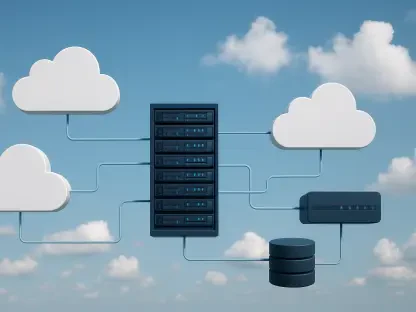
Modern integration patterns combine synchronous REST APIs with asynchronous event-driven messaging using tools like Kafka to allow different system components to operate at their own pace. This hybrid approach has become the bedrock of the cloud-native philosophy, which has evolved significantly

Gartner projections indicate that 90% of organizations will adopt a hybrid cloud strategy by 2027 to balance massive storage needs with speed requirements. This strategic shift addresses a persistent engineering dilemma where digital storefronts must juggle massive global inventory data with the