
A sudden and aggressive spike in automated mass-scanning activities has recently begun targeting exposed Vite development servers across various global network segments. This specific vulnerability, identified as CVE-2026-39364, carries a significant CVSS score of 7.5 and represents a dangerous
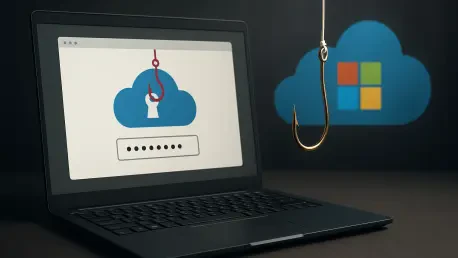
Once initial access is secured, attackers utilize the Microsoft Graph API to programmatically map organizational structures and identify the location of sensitive SharePoint and OneDrive repositories. This methodical execution underscores a significant trend in the 2026 threat landscape, where the

Static analysis often misses high-risk anomalies, such as a compromised backup service suddenly attempting to execute administrative configuration changes. In the current landscape of 2026, cloud environments have expanded far beyond simple human-operated accounts, now encompassing an intricate web

A critical vulnerability in a primary identity provider can instantly compromise authentication services for thousands of downstream corporate clients at once. This systemic risk was starkly demonstrated in the middle of 2026 when a zero-day exploit targeting Oracle PeopleSoft management layers

Attackers who discover leaked administrative keys can immediately launch high-cost GPU instances for cryptomining or create new IAM users to maintain permanent access. This alarming reality is backed by recent data from 2026, revealing that over 9,300 Amazon Web Services access keys leaked over the

The discovery of the 'Recon' framework reveals a sophisticated command-and-control system managing over 23,800 stolen secrets through an automated, real-time validation dashboard. This development represents a paradigm shift where software entities act with significant independence to navigate