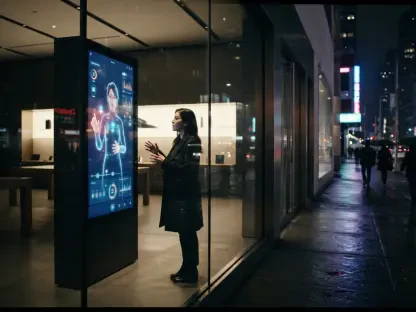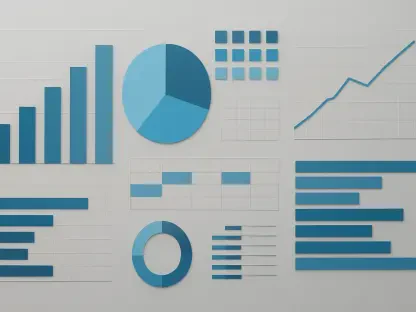

The digital signage industry is undergoing a period of profound consolidation, where the distinction between hardware providers and software innovators has become the primary battleground for market dominance. Vertiseit’s organic growth rate of approximately 15 percent suggests that its core

While ConnectWise reported no direct evidence of data theft from its own servers, the ability of attackers to reset user passwords within client environments poses a massive long-term risk. The breach, which initially surfaced in late 2024, targeted the ConnectWise Cloud Backup ecosystem, a

Amazon is exploring the next frontier of industrial simulation through Decart’s research into software that can effectively simulate complex 3D environments. This development comes at a time when the global economy is increasingly tethered to the physical and digital foundations of artificial
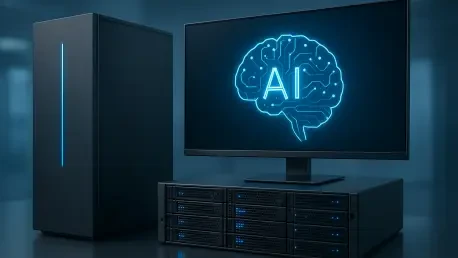
Industrial operations are being modernized through a combination of generative AI and process mining that uncovers inefficiencies in traditional business workflows. For decades, the backbone of many manufacturing and distribution powerhouses has remained rooted in the reliable, yet often isolated,
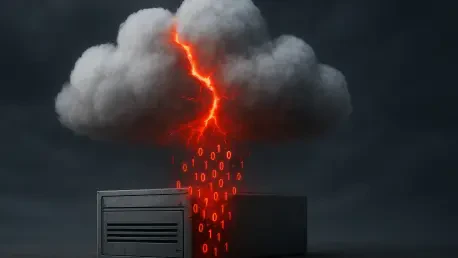
In several confirmed instances, the attackers escalated their privileges to Global Administrator roles, allowing them to plant secondary credentials for long-term persistence. This specific supply-chain breach, which came to light on October 15, 2026, targeted the ConnectWise Cloud Backup
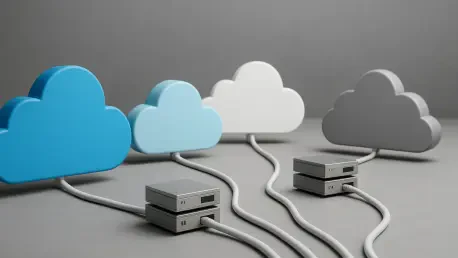
Modern business operations frequently face significant friction when attempting to sync files across disparate hosting environments like Google Drive and Microsoft SharePoint. This systemic inefficiency often results in fragmented workflows where teams lose valuable hours managing data permissions
1 2 3 4 5 6 7 8 9 10 11 12 13 14 15 16 17 18 19 20 21 22 23 24 25 26 27 28 29 30 31 32 33 34 35 36 37 38 39 40 41 42 43 44 45 46 47 48 49 50