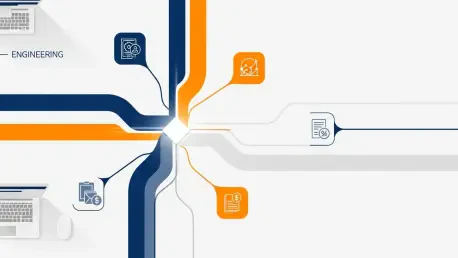

Organizations are currently grappling with a puzzling phenomenon where massive investments in artificial intelligence have yet to translate into significant gains in overall labor productivity. While individual contributors might save minutes on specific tasks like drafting emails or generating code snippets, the aggregate time lost to context switching and cross-functional misalignment continues to climb. This disparity highlights a fundamental flaw in the current digital workspace: the absence of a unified intelligence layer that understands the relationship between goals, people, and work. Asana Dash emerges as a strategic response to this fragmentation, offering a consolidated view of progress that transcends traditional project boards. By synthesizing data from various sources, it promises to illuminate the “dark matter” of work—the invisible dependencies and bottlenecks that typically derail complex initiatives. The goal is no longer just to work faster but to ensure that every unit of effort aligns with a broader corporate objective at every level.
The Architecture of Intelligent Workflow Coordination
Centralized Visibility: Transcending Fragmented Data
The current operational landscape is characterized by a “tool sprawl” that often obscures the actual progress of critical projects across different departments. Asana Dash addresses this by creating a single source of truth that pulls information from diverse software environments, allowing executives to see real-time updates without manual status reporting. This functionality eliminates the need for endless synchronization meetings, which traditionally consume a significant portion of the workweek for middle management. By providing a macro-level perspective, the platform enables leaders to identify which initiatives are thriving and which are stagnating due to resource constraints or lack of clarity. This level of transparency is essential in a business environment where agility is a competitive necessity. Instead of reacting to crises after they occur, teams can utilize these insights to pivot resources proactively. The result is a more resilient organizational structure that can adapt to shifting market demands.
Predictive Analytics: Anticipating Operational Risks
Beyond mere visibility, the integration of predictive analytics within the dashboard environment allows for a more sophisticated understanding of project trajectories and potential risks. Machine learning algorithms analyze historical performance data and current work patterns to forecast completion dates with a higher degree of accuracy than human estimation alone. This predictive capability is particularly valuable for complex, multi-year roadmaps where small delays in one area can have cascading effects on the entire portfolio. When the system detects a high probability of a missed milestone, it alerts stakeholders immediately, providing enough lead time to implement corrective measures. Such a proactive approach shifts the focus from administrative firefighting to strategic optimization, ensuring that high-priority tasks receive the necessary attention. Furthermore, these insights help in setting more realistic expectations with internal stakeholders, thereby improving trust and accountability throughout the company.
Strategic Implications for Modern Enterprises
Resource Optimization: Balancing Bandwidth and Velocity
Effective resource allocation remains one of the most persistent challenges for large-scale organizations, especially as hybrid work models become the standard. Asana Dash introduces automated workload balancing features that monitor the distribution of tasks across teams to prevent individual burnout while maximizing total output. By visualizing the bandwidth of every team member, managers can make informed decisions about who is best suited for a new assignment based on their current commitments and specialized skill sets. This data-driven approach to staffing reduces the likelihood of bottlenecks caused by overburdening key performers, which is a frequent cause of project failure. Additionally, the platform suggests reallocating tasks when it identifies an uneven distribution of labor, facilitating a more equitable and efficient work environment. This systematic management of human capital ensures that the workforce remains engaged and productive over the long term, securing a vital competitive advantage.
Organizational Evolution: Mastering Human-AI Collaboration
The implementation of Asana Dash represented a pivotal shift in how enterprises approached the persistent challenge of the AI productivity gap. Instead of viewing technology as a series of isolated tools, forward-thinking organizations began to treat their digital infrastructure as a holistic ecosystem. This transition required a fundamental reassessment of how data was shared across departments and how success was measured at both the individual and corporate levels. Leaders who prioritized the integration of these centralized dashboards successfully reduced administrative overhead while simultaneously increasing the strategic alignment of their teams. Moving forward, the focus must remain on the continuous refinement of human-AI collaboration protocols to ensure that automated systems support, rather than complicate, human creativity. Those who adopted these systems early gained a significant head start in optimizing their internal operations. The ultimate takeaway was that productivity depended on the effectiveness of orchestration.