
The launch of the Antalya Artificial Intelligence Pledge at COP31 marks a significant global shift toward demanding environmental accountability from the world’s largest tech corporations. As the rapid expansion of data centers across the United States reaches a critical environmental tipping point, the global community is grappling with the unforeseen costs of the ongoing artificial intelligence boom. While AI is frequently marketed as a transformative tool for solving complex climate issues, its physical infrastructure currently necessitates massive amounts of fossil fuels and water to sustain operational stability. This paradox has come under intense scrutiny following a landmark Harvard University study and the subsequent introduction of new international climate pledges designed to curb the sector’s rising carbon footprint. The tension between digital progress and ecological preservation defines a new era of industrial policy, where the massive energy demands of neural networks are no longer hidden from public and regulatory view.
The Staggering Scale of Domestic Power Consumption
A comprehensive analysis conducted by Harvard University researchers recently scrutinized 403 of the largest data centers across the United States, providing a sobering look at the environmental toll of the nation’s digital backbone. Between May 2024 and April 2025, these facilities collectively emitted approximately 25.7 million tons of carbon dioxide, an amount that surpasses the total annual carbon footprint of industrialized nations such as Denmark. This volume of emissions is also comparable to the entire output of the state of Michigan, highlighting the massive concentration of power consumption within a relatively small number of industrial sites. The study found that these centers consumed roughly 82 terawatt-hours of electricity, enough to power nearly seven million American homes. Most concerning is the discovery that more than half of this energy was sourced directly from fossil fuels, illustrating a persistent reliance on traditional power grids that undermines federal clean energy objectives.
The data revealed a disturbing discrepancy between corporate environmental reporting and the actual impact measured through sophisticated academic modeling. Researchers noted that the estimated emissions were two to three times higher than what previous industry-sponsored studies had suggested, indicating a significant lack of transparency among major tech corporations. This measurement gap has forced scientists to rely on energy usage patterns and satellite imagery to gauge the true extent of pollution emanating from these server farms. With plans for 2,000 additional data centers already in motion, the nation faces a regressive trend regarding its carbon reduction goals. Professor Francesca Dominici pointed out that without radical changes in how these facilities are powered, the rapid growth of AI infrastructure will inevitably outpace the development of renewable energy sources. This lack of clear disclosure prevents local governments from accurately assessing the long-term ecological risks associated with hosting massive technological hubs.
International Efforts for Standardizing Tech Accountability
The Antalya Artificial Intelligence Pledge, introduced during the United Nations COP31 climate talks in Turkey, represents a coordinated global effort to establish baseline environmental standards for the technology industry. Hosted by Turkey in collaboration with the International Telecommunication Union, this voluntary agreement invites nations and private entities to commit to a future where data centers are powered exclusively by clean energy. The pledge emphasizes the necessity of radical transparency, requiring signatories to disclose audited data regarding their carbon emissions and water usage metrics. This initiative is a direct response to burgeoning concerns that the rapid deployment of large language models is occurring without adequate regulatory oversight. By formalizing a framework for accountability, the international community hopes to align the technological sector with the broader objectives of the Paris Agreement, ensuring that digital expansion does not come at the expense of global climate stability.
During the launch of the pledge, UN climate officials issued stern warnings that the promise of future efficiency gains facilitated by artificial intelligence cannot be used as a moral justification for the rising pollution levels seen today. Simon Stiell, the UN climate chief, argued that the immediate reality of planet-heating pollution and the resulting climate disasters are too high a price to pay for speculative future benefits. The shift in policy focus highlights a growing consensus that the tech sector must prioritize responsible hardware design, including the large-scale recycling of electronic components and the implementation of strict cooling standards to minimize environmental degradation. This international pressure is forcing companies to reconsider their infrastructure strategies, moving away from a model of unchecked growth toward one that incorporates ecological limits. The goal is to create a standardized reporting system that allows for cross-border comparisons of data center efficiency and carbon intensity.
The Conflict Between AI Innovation and Sustainability
The ongoing debate over the environmental cost of the digital age features a sharp divide between those who view artificial intelligence as a climate savior and those who see it as a primary threat. Prominent figures like former U.S. Vice President Al Gore and economist Nicholas Stern have argued that AI is an indispensable tool for optimizing global energy grids and material usage. Research suggests that by 2030, advanced AI could facilitate a reduction in global greenhouse gas emissions of between 6% and 9% by improving industrial efficiency and accelerating scientific discoveries. Supporters of this view, including the National Artificial Intelligence Association, contend that the current spikes in energy and water consumption are a necessary short-term investment. They suggest that the potential for AI to unlock unknown breakthroughs in carbon capture and nuclear fusion justifies the current expansion of the digital footprint, provided that the industry maintains its focus on long-term decarbonization goals.
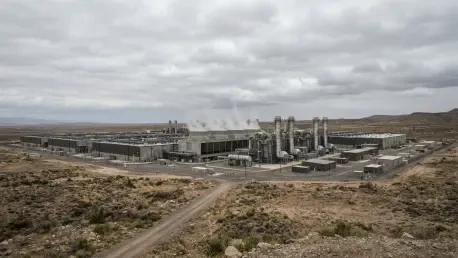
In contrast, advocacy groups such as Climate Action Against Disinformation have highlighted a staggering 240% increase in electricity consumption by major tech firms between 2022 and 2025. Critics argue that the industry is effectively selling a vision of future hope while actively hiding the immediate harms caused by its reliance on fossil-fuel-powered infrastructure. This viewpoint suggests that the current trajectory of AI development is fundamentally at odds with the public climate pledges made by these very corporations. The discrepancy between marketing narratives and operational reality has led to accusations of greenwashing, particularly as tech giants continue to extend the life of coal-fired power plants to meet the insatiable energy demands of their server clusters. This conflict underscores the need for more rigorous independent auditing of corporate energy claims. Without such oversight, the environmental community fears that the digital boom will create an insurmountable barrier to achieving net-zero targets within the required timeframe.
How Can Data Centers Reduce Local Impact?
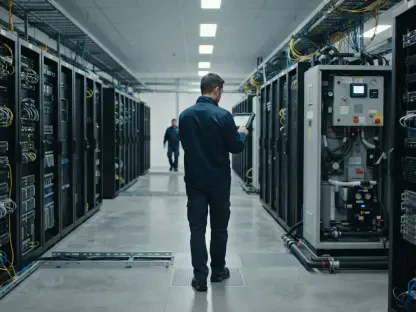
The pathway toward minimizing the ecological footprint of American data centers involves several strategic shifts in operational policy and technological deployment. Step 1: Facilities must transition from traditional air cooling to liquid immersion systems, which are significantly more efficient at capturing high-temperature waste heat for redirection. Step 2: Operators should prioritize partnerships with local municipalities to integrate their thermal output into residential district heating grids, thereby offsetting regional fossil fuel consumption. Step 3: The industry must adopt advanced manufacturing campus designs that allow for the on-site recycling of energy to power ancillary services or local industry. Step 4: A commitment to radical transparency is essential, involving the regular disclosure of audited water and energy usage data to ensure public accountability. These measures provide a practical framework for balancing the growth of artificial intelligence with the urgent necessity of environmental protection at the local and national levels.
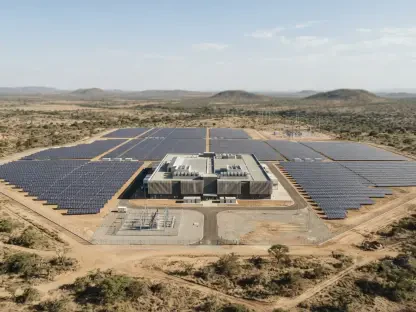
The discussions held at COP31 and the analysis of domestic energy patterns provided a clear roadmap for the immediate future. It was determined that the unchecked growth of high-density computing could no longer proceed without integrated thermal management and verifiable sustainability metrics. Looking ahead, the focus must shift toward mandatory rather than voluntary compliance, ensuring that all new server deployments adhere to the highest efficiency standards from the outset. Investment in grid modernization will be required to support the massive electrification of the computing sector without compromising the reliability of local power supplies. Furthermore, the integration of circular energy principles should become a prerequisite for zoning approvals, forcing developers to consider the long-term thermal and water impacts of their projects. Only by aligning technological growth with ecological boundaries can the industry hope to fulfill its promise of creating a better and more sustainable future for the global community.