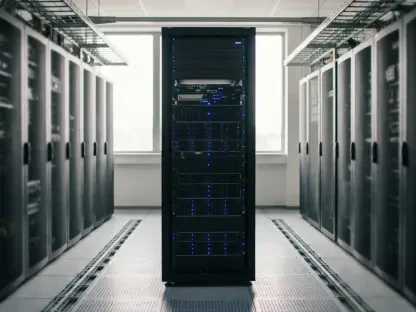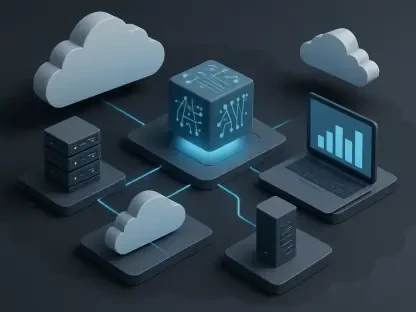

The logistical challenge of constructing specialized facilities requires securing massive amounts of electrical power and establishing high-speed network connectivity on a global scale. This reality defines the current mission of Nebius Group as it transforms into a specialized AI cloud powerhouse, distinct from traditional providers that offer general-purpose compute resources. By engineering a platform specifically for the high-intensity demands of training massive language models, the company has filled a critical void in the digital economy. The global scarcity of high-end computing capacity has become a significant bottleneck for innovation, yet this NASDAQ-listed entity has managed to pivot its entire focus toward solving this exact problem. Its accelerated computing model offers on-demand access to vast clusters of Graphics Processing Units, allowing clients to rent power rather than bear the extreme capital costs of hardware ownership. This ensures that developers can scale their training runs according to project needs.
Financing Expansion Through Strategic Customer Prepayments
One of the most compelling aspects of the group’s current strategy involves its unconventional approach to capital management, particularly through the use of customer prepayments. In a sector where building infrastructure usually requires massive debt cycles or equity dilution, Nebius has found a way to leverage the urgent demand for AI capacity to fund its own growth. By securing payments in advance from large-scale enterprise clients and high-growth startups, the company effectively utilizes the market’s own momentum to build out its physical footprint. This strategy provides a unique form of capital efficiency that protects the balance sheet while allowing for rapid deployment of new hardware clusters. It effectively bypasses many of the traditional financial hurdles that slow down competitors, creating a direct link between market appetite and infrastructure expansion. This self-sustaining cycle has allowed the company to maintain high liquidity even as it aggressively builds new sites.
Beyond immediate financial benefits, these prepayments serve as a robust indicator of market validation and future revenue predictability. When a client commits significant capital upfront to reserve future computing power, it provides the company with high visibility into utilization rates long before a data center even goes online. This level of certainty is rare in high-growth technology sectors and allows for more precise planning regarding energy procurement and hardware logistics. By ensuring that every new rack of GPUs is essentially leased before it is installed, Nebius mitigates the risk of overcapacity and stranded assets. This approach has resonated well with financial observers who value the transparency it provides regarding the company’s growth trajectory. Furthermore, this model strengthens long-term relationships with key customers, as they become deeply integrated into the company’s development roadmap, turning a simple vendor-client dynamic into a strategic partnership.
Diversifying the Integrated Artificial Intelligence Ecosystem
While raw computational power is the headline offering, the organization has built a diversified portfolio that addresses the entire artificial intelligence lifecycle. Recognizing that high-performance models require more than just chips, the group operates specialized data services that focus on collection, labeling, and curation. This vertical integration is a strategic masterstroke, as it allows the company to provide the refined data fuel necessary for the computational engines it rents out to developers. By offering a comprehensive suite of services, the firm simplifies the workflow for machine learning engineers who would otherwise have to source data and compute from disparate vendors. This holistic ecosystem reduces friction in the development process and allows for faster iteration cycles for emerging AI applications. Consequently, the company is not merely a hardware provider but a full-stack partner capable of supporting a project from the initial data gathering phase to the final deployment.
The expansion into sectors like autonomous mobility and online education further illustrates the commitment to long-term industry dominance. Its ventures into self-driving technology and delivery robots serve as sophisticated laboratories that stress-test its own cloud infrastructure. These internal projects create a unique feedback loop where the requirements of autonomous systems drive improvements in cloud performance, which then benefit all external customers. At the same time, the focus on online education helps to cultivate a global talent pool of developers and engineers who are trained on the group’s specific platforms and tools. By investing in the education of the next generation of tech professionals, the company is effectively building a future user base that is already familiar with its ecosystem. This forward-thinking strategy ensures that as the demand for AI skills grows, there is a steady supply of experts ready to utilize the group’s infrastructure to build the next wave of digital innovations.
Strategic Considerations: The Road Toward Specialized Computing
In light of the evolving landscape, the group positioned itself as a fundamental utility for the broader digital economy rather than just a niche service provider. Leaders in the industry recognized that the path to developing advanced machine learning models required a partner that understood the intricacies of both hardware and software. The company successfully bridged this gap by integrating its cloud offerings with comprehensive data services and educational initiatives, creating a one-stop shop for innovation. Moving forward, enterprises evaluated their infrastructure needs not just based on current projects but on the anticipated scale of future generative systems. Investing in partnerships with specialized cloud providers allowed these businesses to remain agile and competitive without the burden of managing complex physical assets. The shift toward specialized, high-performance compute became a permanent fixture of corporate strategy for any organization serious about artificial intelligence.
The organization ultimately established a blueprint for how infrastructure companies could navigate the high-stakes environment of accelerated computing. By prioritizing energy security and logistical excellence, the firm avoided the pitfalls that hampered less prepared competitors during the peak of the hardware crunch. Stakeholders who sought long-term stability in the AI sector found that the group’s emphasis on capital efficiency and vertical integration provided a much-needed layer of security. This approach encouraged a broader shift in the tech industry toward more sustainable growth models that prioritized actual market demand over speculative capacity building. For companies looking to replicate this success, the key takeaway involved the necessity of aligning physical expansion with verified customer commitments. As the digital era progressed, the ability to turn expensive, specialized hardware into a scalable and accessible utility proved to be the defining factor in determining which entities led the next wave of transformation.