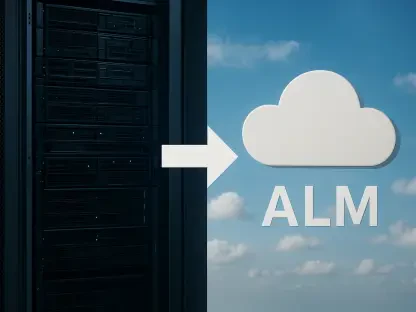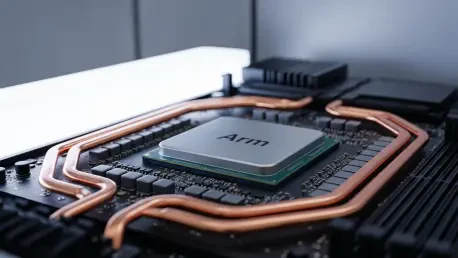

The rapid transition from traditional x86 server architectures to high-efficiency Arm-based processors represents the most significant shift in data center operations since the advent of virtualization decades ago. This transformation is driven by a fundamental need to overcome the power and thermal limitations that have historically hampered the growth of hyperscale environments. As enterprises demand greater compute density, the industry has reached a tipping point where the performance-per-watt metric has become more valuable than raw clock speed alone. Major cloud service providers have recognized this shift by developing their own custom silicon, moving away from a one-size-fits-all hardware approach to a more integrated, purpose-built model. This evolution enables a more sustainable expansion of digital services while simultaneously lowering the financial barriers to entry for complex computational tasks. By prioritizing energy efficiency without compromising throughput, Arm-based infrastructure has successfully transitioned from a niche mobile technology into the dominant force today.
Efficiency as the Catalyst for Architectural Change
Reducing Thermal Constraints: The Power Efficiency Advantage
The move toward Arm architecture in the cloud is primarily a response to the escalating power requirements of modern data centers that support artificial intelligence and large-scale data processing. Traditional silicon often struggles with significant heat generation when pushed to high utilization rates, necessitating complex and expensive cooling systems that consume a massive portion of the facility’s total energy budget. Arm processors, originally designed for the power-sensitive mobile market, bring a reduced instruction set computing philosophy to the server room, which allows for more transistors to be dedicated to actual processing rather than handling complex instruction decoding. This lean approach translates directly into lower thermal outputs, enabling cloud providers to pack more cores into a single rack than ever before. Consequently, the reliance on high-energy air conditioning and liquid cooling is reduced, creating a more sustainable operational model today.
Furthermore, the reduced thermal footprint of Arm-based chips allows for a physical redesign of the data center layout, which increases the overall density of compute resources within the same square footage. By minimizing the space required for airflow and heat sinks, infrastructure engineers can maximize the number of virtual machines running on a single physical host without risking hardware failure due to overheating. This architectural advantage is not merely about saving money on electricity; it is about extending the lifespan of the physical infrastructure and delaying the need for costly new facility construction. When a data center can perform twice the amount of work within the same thermal envelope, the operational efficiency gains are compounded across thousands of servers. This shift has forced traditional hardware vendors to reconsider their design priorities, as the market now favors solutions that deliver consistent performance under tight thermal constraints.
Cost Optimization: Maximizing Performance per Dollar
Financial considerations have played a pivotal role in the widespread adoption of Arm architecture, as cloud providers seek to differentiate their offerings in a highly competitive market. By designing their own chips, such as the AWS Graviton4 or the Google Axion, companies can bypass the margins associated with third-party silicon vendors. These savings are often passed down to the end-user, with Arm-based instances frequently offering a thirty to forty percent better price-performance ratio compared to their x86 counterparts. For enterprises managing massive fleets of microservices or containerized applications, these marginal gains aggregate into millions of dollars in annual savings. The ability to tailor the chip design to specific cloud workloads allows for more efficient memory management and faster interconnects between cores, which further enhances the value proposition for high-traffic web applications. This economic model has effectively democratized high-performance computing now.
Beyond the direct savings on hardware procurement and energy consumption, the use of custom Arm silicon provides cloud vendors with a unique level of control over their supply chains and product roadmaps. This independence allows them to innovate at a faster pace, introducing new chip generations that are specifically optimized for the latest trends in software development, such as serverless computing and real-time data streaming. When the hardware is co-designed with the hypervisor and the underlying operating system, the resulting stack is significantly more efficient than a generic hardware layer. This vertical integration reduces the overhead associated with virtualization, ensuring that a higher percentage of the paid-for compute power is actually available to the application layer. As more organizations migrate their legacy workloads to Arm-based instances, the economy of scale continues to improve, driving down costs and cementing Arm’s position as the financial standard for cloud computing.
The Strategic Evolution of Cloud Native Ecosystems
Software Parity: Overcoming the Compatibility Barrier
One of the most significant historical hurdles for Arm in the server market was the perceived lack of software compatibility, but this challenge has been thoroughly addressed through years of dedicated ecosystem development. Major Linux distributions, including Ubuntu, Red Hat, and Amazon Linux, now offer first-class support for Arm, ensuring that the transition for developers is as seamless as possible. Popular programming languages and runtimes such as Python, Go, Node.js, and Java have been optimized to take full advantage of Arm’s unique instruction set, often resulting in performance improvements out of the box. The containerization movement, led by technologies like Docker and Kubernetes, has further simplified this process by allowing developers to build multi-architecture images that run identically across different hardware platforms. This maturity in the software stack means that the Arm gap no longer exists, and developers can now focus on writing code today.
Moreover, the rise of specialized development tools and automated migration services has drastically reduced the friction associated with moving legacy applications from x86 to Arm-based infrastructure. Modern continuous integration and continuous deployment pipelines now routinely include automated testing for multiple architectures, allowing teams to verify performance and compatibility before any code reaches production. This proactive approach to software engineering ensures that any potential bottlenecks are identified early, further building confidence in the Arm ecosystem. In addition to general-purpose computing, the ecosystem has expanded to include specialized libraries for machine learning and cryptographic operations, which are specifically tuned for Arm’s architecture. This broad support ensures that even the most demanding enterprise applications can be ported with minimal refactoring. The cumulative effect of these developments is a diverse and resilient software environment today.
Sovereign Clouds: Regional Independence and Security
The shift toward Arm architecture also carries significant geopolitical implications, particularly as nations seek to establish greater technological sovereignty over their digital infrastructure. By leveraging Arm’s licensing model, regional manufacturers and governments can develop their own domestic chip designs, reducing their reliance on the global dominance of a few specific silicon giants. This trend is particularly evident in the European Union and parts of Asia, where initiatives are working to create high-performance Arm chips for supercomputing and local cloud services. This move toward decentralized silicon production enhances the resilience of the global supply chain, ensuring that regional markets are less vulnerable to international trade disputes or logistical disruptions. Furthermore, the ability to customize silicon at a regional level allows for the integration of specific security standards and regulatory requirements directly into the hardware fabric today.
The widespread integration of Arm architecture into the cloud fabric fundamentally altered the trajectory of global computing by prioritizing efficiency and customization over traditional scaling methods. This shift provided a clear pathway for organizations to reduce their carbon footprints while simultaneously capturing significant cost savings through optimized silicon. Leaders in the space successfully demonstrated that hardware and software co-design was the most effective way to meet the demands of modern, data-intensive workloads. As the industry progressed, the emphasis moved from simple compatibility to deep, architectural optimization that unlocked new levels of performance for artificial intelligence and secure data processing. Future strategies should prioritize the adoption of multi-architecture deployment models to ensure maximum flexibility and resilience against supply chain fluctuations. The success of this transition underscored the importance of hardware diversity today.