
The rapid evolution of generative artificial intelligence has fundamentally shifted the competitive landscape from a battle over algorithmic superiority to a desperate scramble for stable power supplies. As the complexity of neural networks grows exponentially, the hardware required to train and run these systems has transitioned from specialized laboratory equipment to industrial-scale infrastructure. Modern large language models require tens of thousands of advanced graphics processing units operating in unison, each drawing hundreds of watts of power while generating immense heat. This physical reality means that the most sophisticated AI software is ultimately constrained by the voltage capacity of the local electrical grid. Major technology firms are no longer just software developers; they have transformed into massive utility consumers whose demand for energy is reshaping urban planning. The ability to secure gigawatts of reliable electricity has become the primary bottleneck for digital innovation.
Data Centers and the Industrialization of Compute
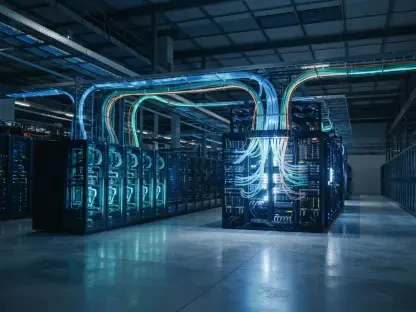
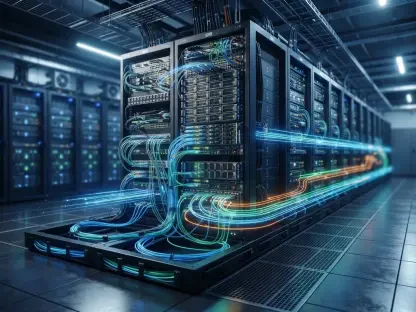
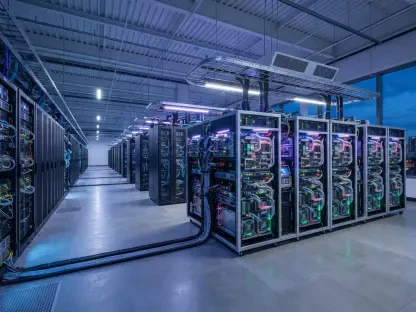
High-density computing clusters have forced a radical redesign of traditional data center architecture to accommodate the unprecedented thermal loads produced by cutting-edge chips. While previous generations of servers relied on air cooling, the sheer intensity of current processing units often requires advanced liquid cooling solutions that increase the facility’s energy footprint. This shift is a wholesale industrialization of digital services where site selection is determined almost entirely by power availability. In regions like Northern Virginia, the surge in demand has placed a significant strain on electrical grids, leading to moratoriums on new developments and a search for alternative locations. Consequently, the geographical distribution of technological power is shifting toward areas with surplus energy. This movement underscores a reality where the speed of progress is tethered to the physical limitations of electrical transmission and grid capacity.
Global competition is now increasingly defined by which nations can provide the most stable and affordable power to support the massive infrastructure projects required for intelligence. Sovereign nations are recognizing that their long-term economic security depends on their ability to host these digital engines, leading to significant investments in national grid modernization. However, the intermittent nature of solar and wind presents a challenge for data centers that require constant, baseline power to maintain 24/7 operations. This discrepancy has sparked a resurgence in the valuation of traditional base-load sources, such as hydroelectric and natural gas, even as companies strive to meet carbon-neutrality goals. The tension between rapid growth and sustainability is driving a wave of innovation in energy storage and management. Ultimately, the winners of this era will be those who can integrate their digital ecosystems with a sustainable energy strategy that operates independently.
Strategic Energy Integration and Future Resilience
To bypass the constraints of municipal grids, leading technology corporations are aggressively pursuing direct ownership or exclusive partnerships with nuclear power providers. The recent trend of purchasing power directly from decommissioned or underutilized nuclear facilities illustrates a pivot toward energy independence previously unseen in the tech industry. These companies are betting on Small Modular Reactors as a long-term solution to provide localized, high-output energy specifically for data center campuses. By bypassing public utilities, these firms can ensure a steady supply of carbon-free electricity that is immune to price fluctuations and regulatory hurdles of the broader market. This vertical integration strategy mirrors the industrial era when manufacturers built their own power plants to fuel factories, signaling a return to a hardware-centric view of productivity. Such developments suggest that the most successful AI firms will function as private energy companies.
The shift from a software-centric model to an energy-dependent industrial paradigm necessitated a complete overhaul of how the global technology sector approached growth and innovation. Decision-makers recognized that the bottleneck for expansion resided in the physical world rather than the digital one, leading to a massive reallocation of capital toward power generation and grid stability. This evolution highlighted the importance of viewing technological progress through the lens of resource management. Governments and private entities collaborated to develop decentralized power solutions that mitigated the impact on residential consumers while fueling the demands of the digital economy. The industry prioritized the development of highly efficient hardware and decentralized systems to ensure long-term viability. Organizations that successfully integrated energy procurement into their core business models established a new standard for excellence. Stakeholders focused on diversifying energy sources to sustain digital transformation.