
Maryanne Baines has spent years at the intersection of infrastructure and innovation, making her a preeminent voice for deconstructing the tectonic shifts occurring in the cloud landscape. As New York implements a first-of-its-kind statewide moratorium on large-scale data center approvals, the industry is grappling with a new reality where power and water are no longer guaranteed resources. This conversation explores the collision between rapid AI expansion and the physical limits of the electrical grid, detailing the 50MW threshold that has sent shockwaves through development circles and the potential repeal of long-standing tax exemptions. We dive into the “beneficiary pays” model, the staggering wait times for critical equipment like transformers, and the social implications for local communities that often feel overlooked by the rapid march of big tech.
New York has recently taken the unprecedented step of pausing environmental approvals for large data centers; from your perspective, what are the primary drivers behind this move and which specific facilities are being caught in the net?
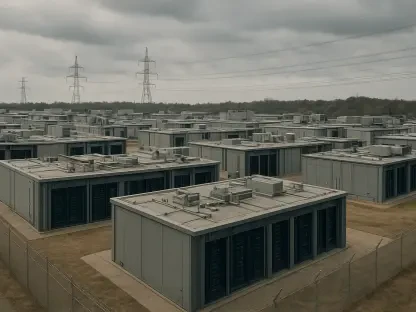
This move is a landmark “stop and think” moment that signals the end of the era of unchecked digital expansion. The moratorium specifically targets new projects and expansions capable of consuming 50MW or more, which covers the massive hubs needed for AI, streaming, cloud computing, and data storage. Governor Hochul has been quite vocal about her responsibility to lead, expressing a deep concern that these energy-hungry giants could hike up utility bills and deplete natural resources for everyday New Yorkers. We saw residential electricity prices hit 29.45 cents per kilowatt-hour in April 2026, and while that isn’t solely the fault of data centers, the state is clearly worried about the optics of subsidizing tech giants while residents feel the pinch. By pausing for up to a year, the state is giving itself breathing room to develop a Generic Environmental Impact Statement that looks at everything from noise pollution to the protection of disadvantaged communities. It is important to note, however, that this isn’t a total blackout; projects primarily used for manufacturing, academic research, or medical care are excluded, and any applications deemed complete before July 14 are allowed to proceed.
The sheer scale of the electricity demand mentioned in the state’s reports is staggering, with billions of watts currently in limbo. How is the system operator grappling with this influx, and what does the connection queue reveal about our current trajectory?
The numbers are honestly breathtaking when you look at the New York Independent System Operator connection queue, which recorded nearly 12GW of proposed data center load as of May. What is even more alarming is the velocity of this growth, as more than 8GW of that demand entered the queue just during the course of 2025, driven largely by the insatiable hunger of the AI boom. This isn’t just a matter of plugging in a new appliance; these massive loads require entire new substations, miles of transmission cables, and heavy-duty transformers. The International Energy Agency has pointed out that we are facing a global bottleneck where wait times for critical grid equipment have doubled over the past three years. When you consider that new transmission lines can take anywhere from four to eight years to build in advanced economies, you realize that the grid simply cannot keep up with the software side of the industry. The NYISO is now forced to widen its system planning forecasts, currently including about 2.5GW of this demand, but that is a fraction of what is actually being requested, leading to a situation where 20% of planned projects face significant delays.
Beyond just the electricity usage, the executive order highlights significant concerns regarding water quality and local infrastructure. In your view, why is the state focusing so heavily on these specific environmental factors now?
For too long, the industry has successfully marketed itself as a weightless “cloud,” but the physical reality involves millions of gallons of water for cooling and a physical footprint that can be incredibly disruptive. New York’s review is finally digging into the nitty-gritty of how these facilities impact aquifers, surface water, and wastewater systems, acknowledging that the existing regulatory framework was never designed for this level of intensity. There is a real emotional and sensory component to this scrutiny; people living near these sites are worried about the constant hum of cooling fans and the strain on public pipes. The state is now mandating an examination of noise and the effects on disadvantaged communities, which suggests a shift toward social equity in infrastructure. We are also seeing legislative pressure from the Responsible Data Center Development Act, which wants to drop the threshold to 20MW and include Indigenous nations in the decision-making process. This tells me that the state is no longer willing to trade its natural beauty and community quietude for a few high-tech warehouses without a very clear, documented understanding of the long-term environmental cost.
There is a lot of talk about a “beneficiary pays” approach to infrastructure to prevent costs from falling on the public. How do you think this will change the financial math for developers who have previously relied on shared utility costs and state incentives?
This is perhaps the most contentious part of the new strategy because it moves the financial risk from the public back to the private sector. The Department of Public Service is investigating safeguards against “stranded assets,” which occur when a utility spends millions on specialized equipment for a project that eventually gets cancelled or downsized. Under the “beneficiary pays” model, if a developer wants a new substation, they are the ones who will have to foot the bill rather than transferring those costs to other utility customers. We are also hearing about a potential Grid Acceleration Fund where developers might have to provide upfront contributions or participate in demand-response programs to help stabilize the system during peak hours. When you combine this with Governor Hochul’s plan to repeal sales tax exemptions for these large-scale projects, the financial “sugar high” that fueled the last decade of growth is clearly coming to an end. It forces a much more disciplined approach to site selection, where developers must weigh the proximity to fiber against the potentially massive costs of upgrading a local grid that wasn’t built for them.
With industry giants like Digital Realty suggesting that this pause might drive investment away from New York, how should the sector respond to this new regulatory climate?
There is definitely a fear that capital will simply migrate to states with fewer hurdles, and Digital Realty is right that a one-year pause creates a lot of uncertainty for investors. However, simply running to a different state might only provide a temporary reprieve, as dozens of other legislatures are currently introducing measures to address these same electricity and environmental concerns. I think the more productive approach is the one suggested by NTT Global Data Centers, which is to welcome the conversation and provide clearer information about local hiring and investment. A Reuters/Ipsos poll showed that only one-third of Americans actually approve of the current pace of data center construction, and most would oppose one being built in their own backyard. The industry has a serious PR problem, and the only way to solve it is through transparency. Developers need to engage with the Community Investment Framework that New York is publishing, which will cover everything from apprenticeships to local wastewater services. If they can prove they are good neighbors who contribute more than they consume, they will find a much smoother path through the regulatory thicket.
What is your forecast for the data center industry over the next few years as these regulatory pauses and grid constraints become more common?
I anticipate a significant “geographic decentralization” and a move toward much more efficient, smaller-footprint facilities. We are going to see a fierce race for onsite generation, where data center operators stop relying purely on the grid and start building their own mini-power plants or massive battery storage arrays to bypass these connection queues. The federal government, through the Federal Energy Regulatory Commission, is already demanding that regional grid operators justify their procedures, so the pressure is coming from both the top down and the bottom up. While the one-year pause in New York might feel like a setback today, it will likely result in a more standardized, predictable set of rules that actually makes projects more bankable in the long run by reducing the risk of public backlash or sudden tax changes. Ultimately, the companies that thrive will be those that stop fighting the regulations and instead lead the way in sustainable, community-integrated infrastructure.